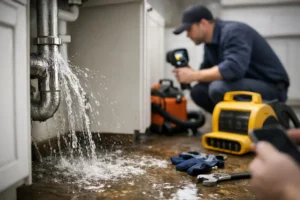

Mould Removal: When to Act and What Comes Next
A small patch of mould behind a bathroom vanity can be a warning that water has been collecting out of sight for weeks. After a basement flood, burst pipe, roof leak, or condo plumbing issue, mould removal is not simply a cleaning task. It is a property-health issue that requires the moisture source to be found, the affected materials to be handled safely, and the area to be properly dried before repairs begin.
For homeowners, landlords, condo residents, and business operators in the Greater Toronto Area, acting quickly can limit damage to drywall, flooring, insulation, furnishings, and indoor air quality. Just as importantly, it helps prevent a manageable water problem from becoming a larger restoration project.
When mould removal should not wait
Mould needs moisture, a surface to grow on, and time. It can begin developing within 24 to 48 hours after a significant water event when materials are not dried properly. That does not mean every damp surface will become heavily contaminated, but it does mean a delayed response creates unnecessary risk.
Visible spotting is one reason to act, but it is not the only one. A persistent musty smell, peeling paint, warped baseboards, bubbling drywall, unexplained staining, or recurring condensation can all point to hidden moisture and possible mould growth. In a finished basement, it may be behind wall cavities after a foundation leak. In a commercial unit, it may be above a suspended ceiling after a plumbing failure. In a condominium, water may have travelled from another suite before it becomes visible in yours.
The size and location of the affected area matter. A small, isolated surface issue caused by bathroom humidity may sometimes be addressed with careful cleaning and better ventilation. However, mould on porous materials such as drywall, insulation, carpet underpad, ceiling tiles, or particleboard often requires more than surface treatment. If the source is unknown, the area has been wet for more than a day or two, contamination keeps returning, or occupants are experiencing irritation, a professional assessment is the sensible next step.
Why cleaning visible mould is not enough
Spraying a stain and wiping it away can improve the appearance of a wall, but it does not establish whether the material underneath is dry or whether mould is present behind it. Bleach and household cleaners are often used with good intentions, yet they can leave the real cause untouched. They are also not appropriate for every surface or contamination situation.
Effective mould removal begins with moisture control. A restoration team first identifies what caused the issue: a leaking supply line, failed appliance hose, roof penetration, foundation seepage, inadequate bathroom ventilation, condensation, or a previous flood that was not fully dried. Without correcting that condition, even a carefully cleaned area may become contaminated again.
The next concern is containment. Disturbing mouldy materials can spread particles to adjacent rooms through foot traffic or air movement. Professional remediation may involve isolating the work area, using controlled airflow and air filtration, and protecting unaffected parts of the property. The approach depends on the extent of damage, the materials involved, and whether the property remains occupied.
What professional mould remediation involves
Every property is different, but a proper remediation process follows a clear sequence. The goal is not merely to make the affected area look clean. It is to remove contaminated material where necessary, dry the structure, and return the space to a safe, finished condition.
1. Assessment and a clear scope of work
The first step is to inspect the visible damage and investigate likely moisture pathways. This can include checking wall cavities, floors, ceilings, plumbing areas, and spaces adjacent to the visible mould. For landlords and property managers, documentation is particularly useful because it creates a clear record of the condition, recommended work, and the steps taken to protect the building and its occupants.
Testing may be appropriate in certain situations, especially when contamination is not visible, there are recurring odours, or a property owner needs additional information before beginning work. Testing is a diagnostic tool, not a substitute for correcting obvious water damage. If materials are visibly mouldy and wet, the priority is still to stop the moisture and begin remediation.
2. Stopping the water source and drying the structure
If a leak or flood is ongoing, emergency water mitigation comes first. Water is extracted, damaged areas are stabilized, and professional drying equipment is used to reduce moisture in structural materials. Moisture readings help confirm whether drying is progressing as it should.
This stage is critical after basement flooding and burst pipes. Drywall can look normal from the outside while insulation and framing behind it remain wet. Closing a wall before it has dried can trap moisture and create the conditions for future mould growth.
3. Containment and removal of affected materials
Non-porous surfaces may sometimes be cleaned using the correct methods. Porous materials that cannot be fully cleaned and dried, such as saturated insulation, heavily affected drywall, carpet, and certain ceiling materials, may need to be removed. The work area is contained so dust and contaminants do not spread through the home, office, common area, or retail space.
There is a trade-off here: removing finishes can feel disruptive, especially in a recently renovated room or occupied business. But leaving compromised materials in place to avoid short-term inconvenience can lead to a longer, more expensive issue. A good remediation plan removes only what is necessary while giving the structure access to dry properly.
4. Cleaning, verification, and restoration
Once affected materials are removed, remaining surfaces are cleaned and the area is dried thoroughly. The restoration phase can then begin. Depending on the loss, this may include replacing insulation and drywall, repairing flooring, repainting, reinstalling baseboards, or rebuilding portions of a finished basement.
This end-to-end approach matters because a property should not be left with open walls and an unresolved repair plan after remediation. Restoration Canada coordinates emergency mitigation, mould remediation, repairs, and direct insurance billing where coverage applies, helping clients move from discovery to a finished space with one accountable team.
What to do if you find mould after water damage
Avoid scrubbing a large affected area or pulling out wet materials without protection. Do not run fans through a visibly contaminated space, as uncontrolled airflow can move particles into other rooms. If water is still entering the property, shut it off if it is safe to do so and arrange urgent help.
Take a few clear photos for your records and insurance claim before work begins, but do not delay mitigation while waiting for an adjuster. Water damage and mould conditions can worsen quickly. Keep people away from the affected area where practical, particularly young children, older adults, and anyone with respiratory sensitivities.
For a commercial property, notify building management and document any inventory, equipment, or tenant areas affected. Business continuity may require temporary containment, contents relocation, or phased work to keep unaffected operations running. The right plan depends on the building layout, the extent of contamination, and whether the source of moisture has been fully stopped.
Preventing mould from returning
Prevention is usually less complicated than remediation, but it requires consistent attention to moisture. Repair plumbing leaks promptly, maintain roof and exterior drainage, and make sure bathroom and kitchen exhaust fans vent outdoors and are used long enough to clear humidity. In basements, address seepage, poor grading, and recurring condensation rather than repeatedly painting over stains.
Indoor humidity also deserves attention, particularly during humid Ontario summers. A dehumidifier can help in damp basements, but it is not a cure for a foundation leak or failed drainage system. Similarly, ventilation helps with everyday humidity but cannot dry a wall cavity that has been soaked by a burst pipe.
After any flood or significant leak, ask how drying was verified. Professional equipment and moisture monitoring help determine whether structural materials have reached acceptable drying conditions. This is one of the most reliable ways to reduce the chance of hidden mould developing after the visible water is gone.
If you suspect mould in your home, condo, rental unit, or business, trust the signs and act before the damage spreads. A prompt assessment can bring clarity, protect the people using the space, and give you a practical path back to a dry, safe, fully restored property.