
Water Extraction Services When Every Minute Counts
A flooded basement is not just a wet floor. Water can travel beneath baseboards, soak insulation, wick into drywall, damage electrical components, and create the conditions mould needs to grow. Professional water extraction services are the first critical step in limiting that damage and putting your home, condominium, rental property, or business on the path to recovery.
Whether the cause is a burst pipe, appliance leak, stormwater intrusion, roof leak, overflowing fixture, or sewage backup, quick action matters. The longer water remains in place, the more difficult and costly the restoration can become. A qualified restoration team can take control of the emergency, document the loss, remove water safely, dry the structure, and coordinate the repairs needed to return the property to a finished condition.
When to Call for Water Extraction Services
Call as soon as you see standing water, discover a persistent leak, or notice water spreading through ceilings, walls, flooring, or storage areas. You do not need to wait until the water level is dramatic. A slow leak behind a wall can cause serious damage before it becomes visible, while a small amount of water on engineered flooring can quickly affect the material beneath it.
For Greater Toronto Area property owners and managers, common emergencies include basement flooding after heavy rain, frozen or burst pipes during cold weather, failed sump pumps, washing machine supply-line leaks, dishwasher overflows, and plumbing failures in neighbouring condominium units. Commercial properties may also face water losses that interrupt operations, affect inventory, or create hazards for employees and customers.
Sewage backups require an even faster response. This is contaminated water, not a standard flood cleanup. It can contain harmful bacteria and pathogens, and affected porous materials may need to be removed rather than dried. Keep people and pets away from the area, avoid using plumbing fixtures if the backup is active, and arrange professional cleanup immediately.
What Happens During an Emergency Water Extraction Visit
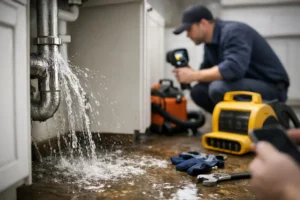
A proper response is more than bringing in a wet vacuum. The goal is to stop secondary damage while creating a clear restoration plan. Restoration Canada responds 24/7 and works to be on-site within 30 to 60 minutes for urgent situations across the GTA, helping clients move from uncertainty to informed action quickly.
1. Stop the source and secure the area
If it is safe to do so, shut off the water supply to a leaking fixture or turn off the main water valve. Do not enter areas where water may have reached electrical outlets, appliances, or panels. If the source is weather-related or coming from another unit, the restoration crew will help identify immediate containment measures while the appropriate plumbing, roofing, or building-management steps are arranged.
The team also checks for safety concerns. Slip hazards, compromised ceilings, contaminated water, and electrical risks all affect how the work should proceed. Protecting occupants comes before saving finishes or contents.
2. Assess the extent of the damage
Visible water tells only part of the story. Moisture meters, thermal imaging, and other inspection tools help identify wet drywall, insulation, subflooring, framing, and concealed cavities. This assessment determines which materials can be dried and restored and which materials require removal.
The category of water also matters. Clean water from a supply line may allow for more materials to be saved when addressed promptly. Water from a toilet overflow, drain backup, river flooding, or other contaminated source requires stronger cleaning protocols and may change the scope of demolition. A professional assessment prevents guesswork at a time when rushed decisions can lead to missed moisture or unnecessary work.
3. Extract standing water and protect contents
Technicians use commercial pumps, extractors, and specialized equipment to remove water from carpets, concrete, flooring, and other affected surfaces. Fast extraction reduces how deeply water penetrates materials. In some cases, furniture, boxes, electronics, and other contents are moved to a dry area, documented, or placed in storage while restoration is underway.
Homeowners should avoid dragging wet furniture across flooring or trying to lift heavy, waterlogged items alone. Water adds significant weight, and damaged materials can be unstable. If you can safely do so, move small valuables, documents, and dry belongings away from the affected area. Take photos or video for your insurer before disposal, unless the materials pose a health risk.
4. Dry, disinfect, and monitor
Extraction is only the beginning. Drying equipment such as air movers and dehumidifiers is placed strategically to remove moisture from materials and the air. Technicians monitor readings throughout the process to confirm that structural materials are reaching appropriate drying targets.
This stage cannot be judged by touch alone. A carpet may feel dry while the underpad and subfloor remain wet. A wall may look normal while moisture is trapped behind it. Controlled drying helps reduce the risk of mould growth, odours, warping, and long-term deterioration.
When water is contaminated, the affected areas are cleaned and disinfected according to the conditions of the loss. Materials that cannot be safely restored are removed in a contained manner. The approach depends on the source of water, the length of exposure, the materials involved, and the condition of the building.
Why Fast Extraction Protects More Than Your Floors
The first 24 to 48 hours after a water event are especially significant. Drywall can soften and lose structural integrity, wood can swell, laminate can separate, and moisture can migrate into adjacent rooms. Mould growth may begin when wet materials remain untreated, particularly in enclosed spaces such as basements, wall cavities, and under cabinets.
Fast water removal can also support a smoother insurance claim. Clear documentation of the source, affected areas, equipment used, moisture readings, and damaged materials gives insurers a more complete picture of the loss. Restoration Canada can bill insurance directly in many situations and communicate with adjusters while keeping you informed about the work at your property.
There is a trade-off worth understanding: drying and saving materials is often less disruptive than demolition, but it is not always the safest or most reliable option. Saturated insulation, contaminated carpet, swollen cabinetry, and sewage-affected drywall may need to be removed. The right decision is based on evidence, not on choosing the quickest-looking fix.
What You Can Do Before Help Arrives
Do not take risks to protect property. If the area is safe and the water source has been stopped, you can remove lightweight items from the floor, place aluminum foil or plastic blocks under furniture legs, and collect important documents or valuables that are still dry. Open interior doors to improve access, but do not open windows during humid or rainy weather, as this can make drying less effective.
Avoid using household fans on a sewage backup or contaminated flood. Do not use a regular vacuum on standing water, and do not pull up flooring or open walls without professional guidance. Those actions can spread contamination, expose hidden hazards, or complicate the restoration plan.
If you live in a condominium, notify property management right away. A leak may be coming from a common element or another unit, and prompt communication helps address the source and protect neighbouring suites. For landlords and commercial operators, record the time the issue was discovered and preserve any relevant maintenance records, invoices, or photos.
From Water Removal to Complete Property Restoration
A water emergency is rarely finished when the drying equipment is removed. Depending on the damage, the next phase may include replacing insulation and drywall, repairing ceilings, rebuilding cabinets, installing flooring, painting, restoring trim, and addressing the original cause of the water intrusion. One accountable restoration team can make this process far less stressful than coordinating separate emergency, demolition, cleaning, and repair contractors.
For businesses, recovery planning also includes minimizing downtime and protecting tenants, customers, equipment, and inventory. Work may need to be scheduled around operating hours or completed in controlled phases. For homeowners, the priority may be returning bedrooms, kitchens, or basements to a safe and comfortable condition as soon as possible. The restoration plan should reflect how the space is actually used.
When water enters your property, do not wait for visible damage to worsen. Get the water assessed, removed, and professionally dried, then make repair decisions with clear information. A calm, capable response in the first hours can protect both your property and your peace of mind.