
Why Toronto Homeowners Are Choosing Greener Flood Restoration
A flooded home creates an urgent problem, but today's Toronto homeowners are asking a second question: can the damage be restored without creating unnecessary environmental impact? That question is reshaping how eco-friendly flood restoration Toronto services approach cleanup across the GTA.
- Why It's Growing in Toronto
- What Makes Restoration Sustainable
- What Changes in Practice
- Why It Matters Across the GTA
- Does It Protect Your Home as Effectively
- Choosing a Responsible Partner
- FAQs
A flooded home creates an urgent problem, but today's Toronto homeowners are asking a second question: can the damage be restored without creating unnecessary environmental impact?
That question is helping drive interest in eco-friendly flood restoration Toronto services across the GTA. Homeowners increasingly want effective cleanup while reducing unnecessary waste, harsh chemical use, and avoidable resource consumption. This shift does not mean sacrificing safety or restoration quality — instead, sustainable restoration looks at the entire job, from water extraction and drying to cleaning, material disposal, and reconstruction.
Why Eco-Friendly Flood Restoration Is Growing in Toronto
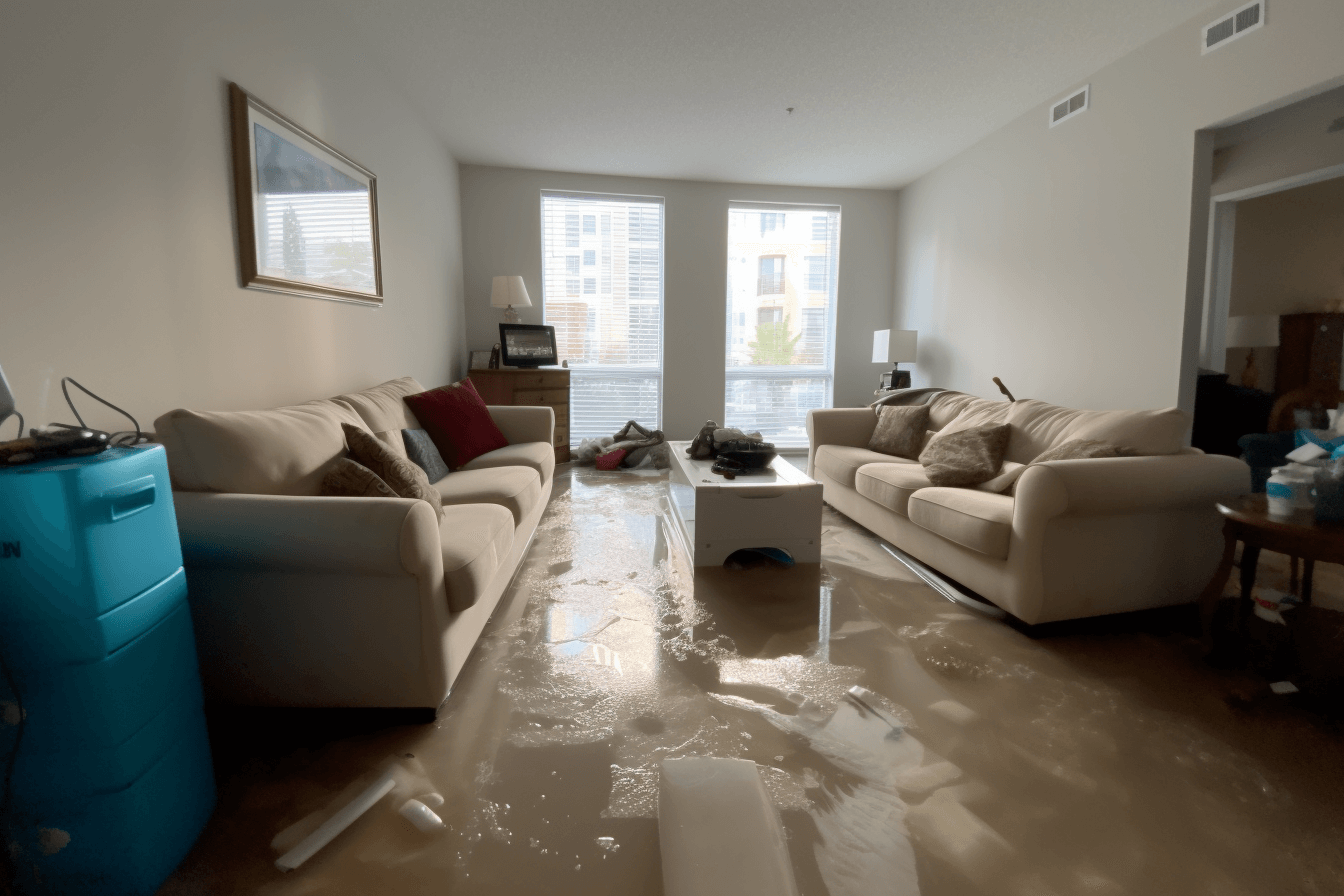
Toronto has experienced several major rainfall events in recent years. The Toronto and Region Conservation Authority reports that climate change is increasing the likelihood of more severe and frequent storms, which can increase flood risk.
That changing environment is one reason homeowners are paying closer attention to how properties respond after a flood. A restoration project can involve water extraction, drying equipment, cleaning products, damaged building materials, packaging, transportation, and disposal.
Traditionally, the priority after flooding was simple: remove the water, repair the damage, and get the property back to normal. That priority has not disappeared. What has changed is the expectation that restoration companies should consider how those results are achieved.
Toronto's Changing Flood Risk
Urban flooding can happen when heavy rainfall overwhelms drainage systems. Toronto faces particular challenges because buildings, roads, sidewalks, and other hard surfaces reduce the amount of rainfall that can naturally infiltrate the ground — the result can be a sudden increase in surface runoff during intense storms, affecting basements, garages, lower-level rooms, and commercial properties alike.
The July 2024 rainfall event demonstrated how quickly conditions can change. The Climate Institute reported that nearly 10 centimetres of rain fell in Toronto within three hours during that event. For property owners, this means restoration is becoming an increasingly relevant part of preparing for a changing climate — and an opportunity to make the recovery process more responsible.
Homeowners Are Looking Beyond Fast Cleanup
Speed still matters after water damage. Standing water can continue affecting flooring, drywall, insulation, cabinetry, and other materials. However, fast does not have to mean wasteful. A thoughtful restoration strategy can focus on removing water quickly while determining which materials genuinely need replacement.
That distinction can make a meaningful difference. If a restorable material can be safely dried and cleaned instead of automatically discarded, the project may generate less construction waste. A sustainable approach therefore does not mean ignoring damage — it means making decisions based on the actual condition of the property.
Dealing With Flood Damage Right Now?
Restoration Canada responds to flood emergencies across the GTA within 60 minutes — 24/7, with sustainable material assessment built into every job.
What Makes Flood Restoration More Sustainable?
Sustainable restoration is not one specific product or technique. It is a broader approach that considers environmental impact while still meeting the technical requirements of water damage restoration. A responsible restoration company may consider the products it uses, the amount of material it removes, the equipment required, and whether damaged contents or building components can be recovered.
The goal is not simply to advertise something as "green." The goal is to reduce unnecessary environmental impact wherever doing so does not compromise safety.
Flood damage can produce a surprising amount of waste — damaged drywall, insulation, flooring, cabinetry, furniture, and packaging may all end up requiring disposal. Some materials cannot reasonably be saved, particularly severely damaged porous materials exposed to contaminated water. Other materials have a realistic path to recovery, and proper assessment helps determine whether an item can be dried, cleaned, restored, or reused.
Cleaning and disinfection are important parts of many water damage projects, and homeowners may reasonably ask what products are being introduced into their living spaces. Some restoration companies operating in the Toronto market promote plant-based or environmentally conscious cleaning products — but "eco-friendly" should never mean choosing a product just because its label sounds green. The product must also be appropriate for the specific restoration situation, since clean water from a supply-line leak is not the same as sewage-contaminated water.
A more sustainable restoration strategy can therefore include:
Eco-Friendly Flood Restoration Toronto: What Changes in Practice?
The most useful way to understand eco-friendly flood restoration Toronto homeowners are considering is to look beyond the label. Sustainable restoration can involve several decisions throughout the project. These decisions may appear small individually, but together they can influence the project's overall environmental footprint — avoiding unnecessary demolition reduces waste, appropriate cleaning products reduce reliance on harsher chemicals, and accurate moisture monitoring prevents excessive drying time and unnecessary equipment use.
Moisture can remain inside walls, floors, and cabinets even when the surface appears dry. The EPA recommends appropriate extraction, fans, and dehumidifiers to accelerate drying — with equipment removed once areas reach measurable, appropriate drying targets rather than running indefinitely.
Not every project requires the same cleaning approach. A clean-water event may need only extraction, drying, cleaning, and monitoring, while a sewage backup requires a far more controlled response due to pathogens and contaminants. The better question is whether the company uses the least aggressive appropriate solution for the circumstances.
Rather than removing everything that appears affected, a sustainable approach evaluates moisture, contamination, and structural condition first — reducing unnecessary demolition and disruption where materials can be safely restored.
Green Water Damage Restoration GTA: Why It Matters
The idea of green water damage restoration GTA services goes beyond individual homeowners. Restoration companies operate within a much larger construction and property-management ecosystem. Every restoration project involves resources — equipment needs transportation, materials may need replacement, damaged contents may require disposal, and reconstruction creates additional demand for products. A sustainable approach considers these impacts without losing sight of the main objective: returning the property to a safe condition.
Environmental Benefits
The environmental benefits of sustainable restoration can come from several parts of the project rather than one single action. Reducing unnecessary demolition can mean less material waste. Recovering suitable contents can reduce the need to purchase replacements. More efficient equipment use can reduce unnecessary energy consumption, and using lower-impact products where appropriate can reduce reliance on harsher chemicals.
| Restoration Decision | Traditional Concern | More Sustainable Approach |
|---|---|---|
| Damaged materials | Remove everything that appears affected | Assess what can safely be restored |
| Cleaning | Use stronger chemicals by default | Select appropriate products for the situation |
| Drying | Run equipment without precise monitoring | Monitor moisture and remove equipment when appropriate |
| Contents | Dispose of questionable items immediately | Evaluate salvage and restoration potential |
| Packaging | Treat materials as disposable | Reuse suitable materials where practical |
Sustainability does not mean saving everything. It means avoiding unnecessary waste while following appropriate safety standards.
Practical Benefits for Property Owners
There can also be practical advantages for homeowners. Imagine two basement restoration projects: in the first, every affected material is immediately removed; in the second, the restoration team evaluates each material based on moisture, contamination, structural condition, and restoration potential. The second approach may preserve materials that do not need replacement, which can reduce the scope of reconstruction and potentially shorten disruption.
The actual outcome depends on the property and severity of damage, but a careful assessment gives homeowners more information before major decisions are made. For many Toronto families, that combination of property protection, responsible resource use, and practical decision-making is what makes sustainable restoration appealing.
Can Sustainable Restoration Protect Your Home as Effectively?
A common misconception is that environmentally conscious restoration must mean accepting lower standards. That is not the goal — a sustainable restoration strategy should still address moisture, contamination, structural concerns, and indoor environmental conditions appropriately. The difference is in how unnecessary environmental impact is reduced around those core requirements.
Safety Still Comes First
Floodwater can vary significantly in its level of contamination. Water from a clean supply line is different from water entering through a sewer backup or certain types of flooding. The EPA classifies heavily contaminated water, including sewage-related flooding, as Category 3 water, requiring appropriate precautions and professional handling.
When Materials Can Be Saved
Some water-damaged materials may be candidates for restoration depending on the type of material, duration of exposure, contamination, and extent of damage. The EPA notes that certain materials can sometimes be dried in place under appropriate conditions, while others may need removal and replacement — which is why professional assessment matters.
- Structural wood exposed briefly to clean water
- Solid surfaces that can be fully dried and disinfected
- Non-porous flooring and cabinetry components
- Contents dried and cleaned promptly after the event
- Severely damaged porous materials
- Materials exposed to Category 3 contaminated water
- Insulation and drywall saturated for extended periods
- Items where contamination risk outweighs restoration value
A homeowner looking at a wet wall may see only one problem. A trained restoration professional considers what is happening behind the visible surface — that assessment helps determine whether targeted drying, cleaning, removal, or replacement is appropriate, resulting in a restoration plan based on evidence rather than assumptions.
Choosing an Environmentally Responsible Restoration Partner
Not every company that advertises "green" restoration applies it consistently across a job. Before hiring a restoration provider, it helps to ask questions that reveal whether sustainability is built into their process — or just used as a marketing label.
- Do you assess materials for restoration potential before removing them?
- How do you decide which cleaning products to use for a given water type?
- Do you monitor moisture levels to determine when drying equipment can be removed?
- How do you manage and dispose of demolition waste responsibly?
- Will you prioritize contamination safety over "green" labeling when the two conflict?
- Can you explain, in plain terms, why a specific material is being removed rather than restored?
Conclusion
For many Toronto and GTA homeowners, the choice is no longer just about getting a property dry again — it's about how that result is achieved. Sustainable flood restoration does not lower the bar on safety or quality; it applies closer assessment, appropriate products, and monitored equipment use around the same core standards.
As storms grow more frequent and unpredictable, that combination of protection and responsibility is becoming a practical expectation, not just a preference.
Not Sure What Can Be Saved in Your Home?
Book a free assessment and get a clear, evidence-based plan for what can be restored versus what needs replacement — before unnecessary demolition begins.
Frequently Asked Questions
Yes, when done correctly. Sustainable restoration still addresses moisture, contamination, and structural concerns — the difference is in reducing unnecessary waste and harsh chemical use around those core safety requirements, not lowering standards.
Not necessarily. Assessing which materials can be safely dried and restored instead of automatically replaced can reduce the scope of demolition and reconstruction, which may offset or lower certain costs.
Some can, depending on the material, duration of exposure, contamination level, and extent of damage. A trained professional assesses each material rather than assuming everything affected needs removal.
Product selection depends on the type of water involved. Category 3 contaminated water requires appropriate sanitation, and safety always comes first — green products are used where appropriate, not as a substitute for necessary disinfection.
Clean water from a supply-line leak generally requires extraction, drying, cleaning, and monitoring. Sewage-contaminated water is classified as Category 3 and requires a much more controlled response due to pathogens and other harmful contaminants.