
Water Damage Restoration Timeline: What Actually Happens Hour by Hour
When water gets into your home, the first question is “how bad is it?” The second is “how long will this take?” Here is the water damage restoration timeline Toronto homeowners can realistically expect — from the first phone call to the final repair.
- Why Timing Matters
- Hour 0–1
- Hours 1–24
- Days 1–5: Drying
- Week 1+: Repairs
- What Speeds Up or Slows Down
- FAQs
Water damage rarely waits for a convenient moment. A supply line bursts overnight, a sump pump fails during a summer storm, or a frozen pipe splits in January. In every case, the clock starts the moment water touches drywall, flooring, and framing.
Understanding the water damage restoration timeline Toronto professionals follow helps you make better decisions in a stressful moment. You will know what happens during water damage restoration, why technicians do things in a specific order, and why some steps cannot be rushed. Below, we walk through the restoration process explained step by step — hour by hour, then day by day.
Why the Restoration Timeline Matters
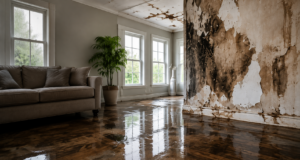
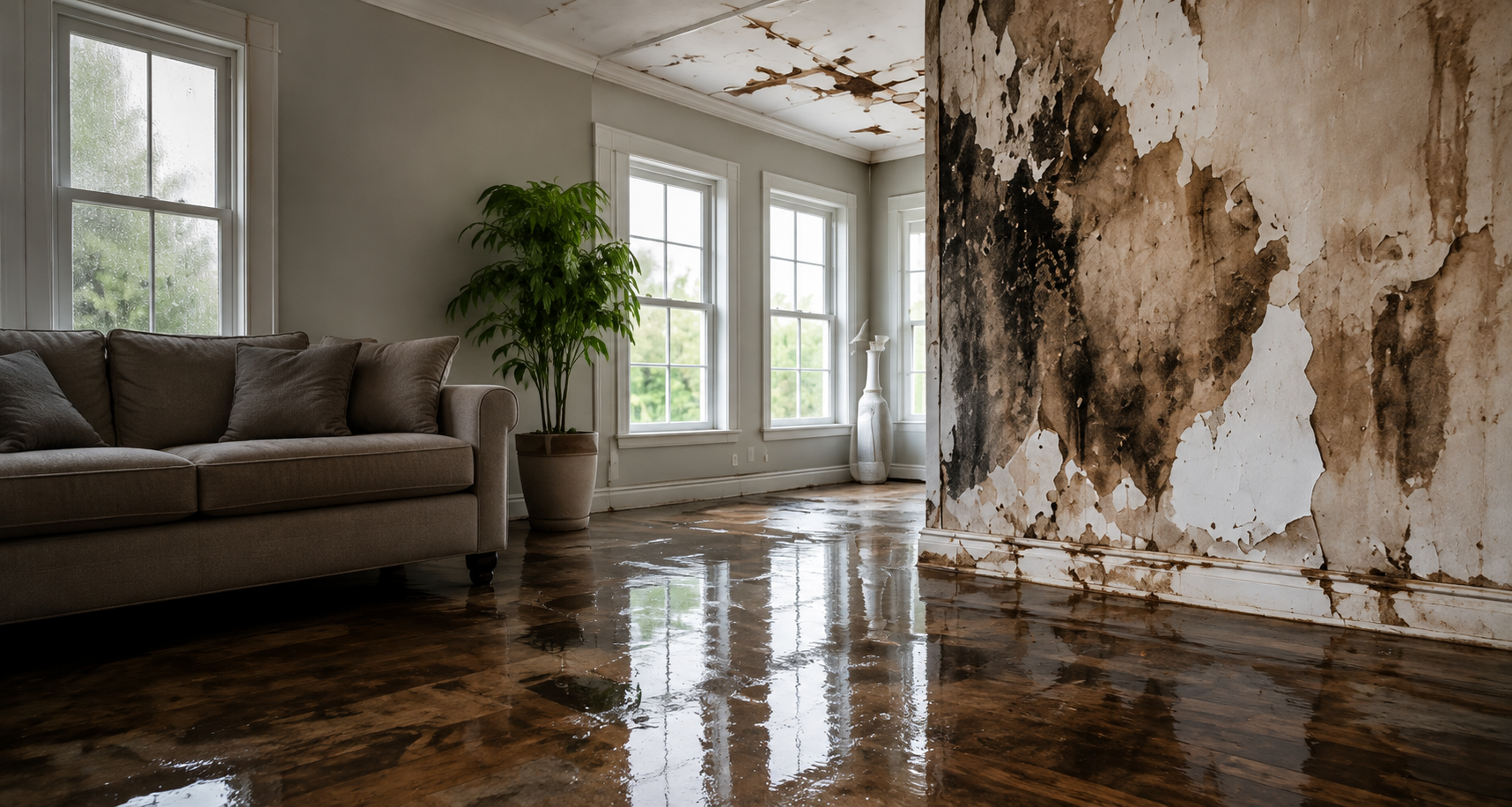
Water does not stay where it lands. It wicks up drywall, seeps under baseboards, soaks into subfloors, and settles in wall cavities you cannot see. The longer materials stay wet, the more likely they are to swell, delaminate, warp, or support mould.
The U.S. EPA and Health Canada both stress drying water-damaged materials quickly — ideally within 24 to 48 hours — to reduce the risk of mould growth. That single guideline shapes the entire restoration timeline: the first day is about stopping the spread, and the following days are about drying everything thoroughly and verifiably.
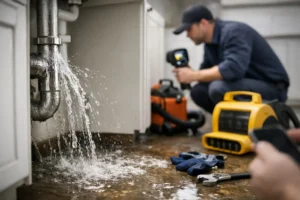
Hour 0–1: Stop the Water and Make the Home Safe
The first hour belongs to you, the homeowner — and to the restoration company you call. These early actions have the biggest impact on the final cost and timeline.
Close the main water valve for supply-line or pipe leaks. For sewer backups or overland water, stop using drains and toilets.
Never walk through standing water near outlets or appliances. If it is safe to reach the panel, turn off power to affected areas; if not, wait for help.
Take photos and video before moving anything, then call a 24/7 restoration company. Restoration Canada aims to be on-site across the GTA within 60 minutes.
Hours 1–24: Inspection, Extraction and Drying Setup
This is the most intense part of the hour by hour flood cleanup process. Most of the visible work happens on day one.
Hours 1–2: Inspection and Water Classification
Technicians use moisture meters and thermal imaging to find where water has travelled — often much farther than it looks. They also classify the water, because the category determines how the job must be handled:
| Water Category | Typical Source | What It Means for the Timeline |
|---|---|---|
| Category 1 (clean) | Burst supply line, overflowing sink | Fastest path — many materials can be dried in place |
| Category 2 (grey) | Washing machine or dishwasher discharge | Extra cleaning and more selective material removal |
| Category 3 (black) | Sewage backup, overland flooding | Porous materials removed, full sanitizing, longer timeline |
Clean water does not stay clean forever. Left standing for a day or two, it can degrade to a higher category — another reason the first hours matter so much.
Hours 2–6: Water Extraction
Truck-mounted or portable extractors remove standing water from floors, carpets, and pads. Extraction is far more efficient than evaporation, so the more water removed now, the shorter the drying phase. (Learn more about water extraction versus dehumidification.)
Hours 6–24: Controlled Removal and Equipment Placement
Materials that cannot be saved — saturated carpet pad, swollen baseboards, drywall wicked with contaminated water, wet insulation — are carefully removed. Often only the lower section of drywall needs to come out (a “flood cut”). Then air movers and commercial dehumidifiers are positioned to create a controlled drying environment.
Water in Your Home Right Now?
Every hour counts. Restoration Canada responds 24/7 across Toronto and the GTA — typically on-site within 60 minutes.
Days 1–5: Monitored Structural Drying
Drying is the phase homeowners find the most frustrating, because the house can look “fine” long before it is actually dry. Surfaces dry within hours; the subfloor, framing, and wall cavities can take days.
During this phase, technicians return to take moisture readings — commonly once a day — and adjust equipment as conditions change. Equipment comes out only when readings confirm materials have reached their normal, dry level. For a deeper look at this stage, see our guide to the structural drying timeline.
Week 1 and Beyond: Cleaning, Sanitizing and Repairs
Once the structure is dry, the project shifts from emergency mitigation to restoration. Affected areas are cleaned and, where contaminated water was involved, sanitized. Contents that were moved or packed out can be cleaned and returned.
Repairs then rebuild what was removed: new drywall, insulation, baseboards, flooring, paint, and sometimes cabinetry. A small, clean-water loss may be fully repaired within a week or two. A finished basement hit by a sewer backup can take several weeks, especially if materials need to be ordered or insurance approvals are pending. If you are unsure whether drywall can stay, read when to replace wet drywall.
What Speeds Up or Slows Down the Timeline?
No two water losses are identical. These factors have the biggest effect on how long restoration takes:
- Calling a professional within the first hour
- Clean-water source (Category 1)
- Water limited to one room or level
- Quick photo documentation for insurance
- Sewage or overland flood water (Category 3)
- Water left standing for more than 24–48 hours
- Dense materials like hardwood, plaster, or concrete
- Visible mould or delayed insurance approvals
Seasonal conditions also matter. Humid Toronto summers slow natural evaporation, while cold winter air can be drier but requires heat management to keep drying efficient. Professional equipment controls these variables so the timeline stays predictable. If your loss started with a burst line, our guide to burst pipe recovery in the first critical hour covers what to do before the crew arrives.
Conclusion
A typical water damage restoration timeline in Toronto looks like this: safety and shut-off in the first hour, inspection and extraction on day one, three to five days of monitored drying, then cleaning and repairs. Every step exists to stop hidden moisture from turning a manageable loss into a mould problem or a structural one.
The single biggest factor you control is how quickly you act. The sooner extraction and drying begin, the more of your home can be dried and saved rather than torn out and replaced.
Start the Clock on Recovery — Not on Damage
Our certified technicians are available 24/7 for water damage emergencies anywhere in the Greater Toronto Area.
Frequently Asked Questions
Emergency extraction usually happens on the first day, structural drying commonly takes about 3 to 5 days, and repairs can add anywhere from a few days to several weeks depending on how much material had to be removed.
Health and environmental agencies advise drying water-damaged materials within 24 to 48 hours, because mould can begin to grow on damp surfaces in that window.
Often yes for clean-water events limited to one area. Sewage backups, large-scale flooding, or electrical hazards may make it safer to stay elsewhere until the affected area is sanitized.
Water soaks into subfloors, wall cavities, and framing. Surfaces can feel dry within hours while hidden layers stay wet, so equipment runs until moisture meter readings confirm materials are dry.
As soon as the water is stopped and everyone is safe. Take photos and video before cleanup begins, and keep records of the restoration work, since insurers typically expect prompt mitigation.