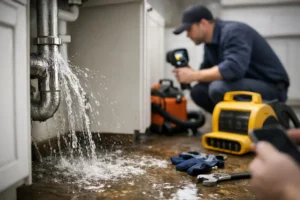

A flooded basement, burst pipe, roof leak, or sewage backup can turn a normal day into a race against time. Once everyone is safe and the water source is controlled, taking the right steps to document flood losses can protect your insurance claim and help the restoration process move forward without avoidable delays. The goal is not to create a perfect file while under stress. It is to preserve clear evidence of what happened, what was affected, and what was needed to protect your property.
For homeowners, condo residents, landlords, property managers, and business operators in the GTA, thorough documentation also helps separate emergency mitigation from the repairs that follow. Water can travel behind walls, beneath flooring, and into building materials long after the visible puddles are gone. A well-documented loss gives your insurer and restoration team a clearer starting point.
Start With Safety and Emergency Mitigation
Do not enter an area where water may have reached electrical outlets, appliances, a furnace, or electrical panels. If the water is from a sewage backup, toilet overflow, or another contaminated source, keep people and pets away from the affected area. Wear appropriate protective equipment only if it is safe to do so, and do not attempt to clean contaminated water without professional guidance.
If possible, stop the source of water. Shut off the main water valve for a burst supply line, move undamaged belongings away from the wet area, and place buckets under an active ceiling leak. Take reasonable steps to prevent further damage, but avoid starting major demolition or throwing items away before they have been recorded. Insurers generally expect property owners to mitigate additional loss, so prompt water extraction and drying matter.
Call your insurer as soon as you can and ask for a claim number. If the situation is urgent, contact a qualified 24/7 restoration company right away. Fast attendance can limit structural damage, reduce the risk of mould growth, and create professional records of moisture conditions, affected materials, and emergency work completed.
How to Document Flood Losses Clearly
Begin before extensive cleanup starts, if conditions allow. Use your phone to take wide photos that show each affected room as a whole, then take closer images of specific damage. Photograph wet flooring, soaked drywall, damaged baseboards, ceiling stains, appliances, furniture, electronics, stored items, and visible mould or sewage contamination.
Video is useful when it adds context. A slow walkthrough can show the path water took through a basement, suite, office, hallway, storage room, or commercial unit. Narrate only simple facts, such as the room, the date, and what you are showing. Avoid guessing about the cause if it has not been confirmed.
Your documentation should make it easy for someone who was not present to understand the loss. Include photos of the apparent source when safe, such as a failed pipe fitting, leaking appliance hose, damaged roof area, overflowing drain, or backed-up floor drain. Also capture the water level on walls, furniture legs, boxes, or other surfaces where it can be seen.
Keep the original versions of photos and videos whenever possible. Most phones retain date and time information in the file details. Back up copies to cloud storage, email them to yourself, or save them in a dedicated claim folder. Do not rely on one device that could be misplaced, damaged, or run out of storage during an emergency.
Create a Practical Room-by-Room Inventory
Photos prove condition, but an inventory explains what was lost. Work room by room and record each damaged item in plain language. Note the item, make or brand if known, estimated age, purchase price if available, and the extent of damage. For example, write “oak dining table, approximately five years old, water saturation to legs and underside” rather than simply “table damaged.”
For high-value items, include model numbers, serial numbers, receipts, warranties, appraisal records, or previous photographs if you have them. Electronics and appliances may look dry on the outside while internal components have been exposed to moisture. Do not plug them in or assume they are safe to use until they have been assessed.
For commercial properties, the inventory should also address business assets and operational impacts. This may include stock, tools, equipment, tenant improvements, furniture, documents, servers, and specialized machinery. Record which areas had to close, whether access was restricted, and what steps were taken to maintain safety and business continuity. Coverage for lost income or interruption depends on the policy, so keep detailed records rather than making assumptions.
Save Records of Every Expense and Conversation
Flood losses generate paperwork quickly. Keep invoices, receipts, estimates, emails, text messages, and notes from phone calls in one place. This includes emergency plumbing, water extraction, temporary accommodation, laundry, storage, debris removal, equipment rental, and purchases made to protect the property from further damage.
Write down the date, time, and name of every person you speak with about the claim. Include the insurer, adjuster, plumber, condo property manager, restoration contractor, and landlord where applicable. A brief note about what was discussed can prevent confusion later, especially when several parties are involved.
If a restoration team installs air movers, dehumidifiers, containment, or other drying equipment, ask for copies of work authorizations, moisture readings, drying records, and invoices. These records help show why emergency work was necessary and how the property was monitored. They can also support decisions about removing wet drywall, insulation, flooring, or cabinetry that cannot be safely dried or cleaned.
Do Not Dispose of Damaged Items Too Early
It is tempting to clear out wet belongings immediately. However, discarded items can be difficult to verify later. Keep damaged contents until your insurer or adjuster has had an opportunity to review them, unless they are a health hazard or removal is required to prevent additional damage.
When contaminated materials must be removed quickly, photograph and list them first. If possible, keep a small identifying part, label bags or boxes, and retain disposal receipts. Your restoration contractor can help document unsalvageable materials before disposal, particularly after sewage backups or extensive water intrusion.
There is a trade-off here. Holding onto wet materials for too long can create odours, mould, and unsafe conditions. The practical approach is to document first, then follow the direction of your insurer and restoration professionals on what can be cleaned, stored, or disposed of.
Special Considerations for Condos and Rental Properties
Condo flooding often involves more than one policy. Damage inside a unit may involve the unit owner’s insurance, the condominium corporation’s insurance, and responsibilities set out in the corporation’s declaration or bylaws. Notify property management promptly, document any common-area damage, and ask for written details about what they have observed or arranged.
Tenants should photograph their personal contents and communicate with their landlord in writing, but they should not wait for approval before reporting urgent water damage. Landlords should document the building damage separately from tenant-owned belongings. Clear records reduce disputes over what was present, where the water originated, and which party arranged emergency work.
Let the Restoration Process Build the Evidence
Professional restoration is more than removing standing water. The process should begin with an assessment of affected materials and moisture migration, followed by water extraction, controlled drying and disinfection, then repairs to return the property to a safe, finished condition. Each stage creates useful claim documentation.
At Restoration Canada, emergency crews can assess the damage, document conditions, remove water, dry affected areas, and coordinate repairs while keeping clients informed. Direct insurance billing may be available, but you should still keep your own copies of approvals, invoices, and correspondence. Your claim remains important to you, even when professionals are managing much of the work.
One final habit can make a difficult situation more manageable: keep a simple claim timeline. Start with when you discovered the water, then add emergency calls, inspections, drying dates, adjuster visits, approvals, and repairs. When decisions need to be made quickly, a clear record helps you focus on getting your property safe, dry, and back to normal.