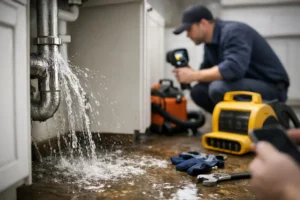

Flood Claim Documentation That Supports Your Claim
A flooded basement can turn a normal morning into a high-stress insurance situation within minutes. While water removal and drying need to begin quickly, flood claim documentation gives your insurer a clear record of what happened, what was affected, and what was done to prevent further damage. Strong records can reduce confusion later, especially when repairs involve flooring, drywall, contents, appliances, or structural work.
The priority is always safety. If water is near electrical equipment, if sewage is present, or if there is a risk to the building’s structure, keep people away from the affected area and call for emergency help. Once the immediate danger is under control, begin documenting the loss before major cleanup changes the scene.
Start documenting before cleanup begins
Take wide photos and videos of each affected room before moving furniture, removing wet materials, or throwing anything away. Begin at the entry point if it is visible, such as a burst pipe, failed appliance hose, roof leak, overflowing drain, or foundation seepage. Then capture the path of the water through the property.
Photograph water levels on walls, baseboards, cabinets, flooring transitions, and stored belongings. For a finished basement, include the full room as well as close-ups of damaged carpet, laminate, drywall, insulation, furniture, electronics, and personal items. Videos can be useful because they show scale and help explain how water travelled from one area to another.
Do not worry about making the images look perfect. Clear, time-stamped records are more useful than carefully staged photos taken after the affected materials have been removed. If possible, save copies to cloud storage or email them to yourself so they are available if your phone is lost or damaged.
What flood claim documentation should include
Your insurer may have its own forms and timelines, but a complete file usually includes evidence of the damage, records of emergency work, and proof of ownership or value for affected contents. Keep all information for the same incident together, whether in a digital folder, a notebook, or both.
Record the date and approximate time you first noticed the water, where you found it, and what you observed. Note weather conditions if heavy rain or snowmelt may be relevant. If a plumbing issue caused the loss, write down the appliance, pipe, fixture, or drain involved and any steps taken to stop the flow.
Your file should also contain:
- Photos and videos taken before, during, and after emergency mitigation and repairs.
- A room-by-room inventory of damaged belongings, including brand, model, age, serial number, and estimated replacement cost when available.
- Purchase receipts, credit card statements, warranties, manuals, appraisal records, or previous photographs that help establish ownership and value.
- Invoices and reports for emergency plumbing, water extraction, drying equipment, cleaning, storage, testing, repairs, and temporary protective measures.
- Notes from every call or email with your insurer, adjuster, contractor, condominium corporation, landlord, or property manager.
For high-value items such as jewellery, art, collectibles, specialized equipment, or commercial inventory, gather appraisals and detailed purchase records if you have them. If an item cannot be safely retained, photograph it thoroughly from several angles before disposal and ask your insurer or adjuster what they require.
Report the loss and protect the property
Contact your insurer as soon as reasonably possible and obtain a claim number. Ask how to submit photos, invoices, and an inventory, and confirm whether the insurer has specific requirements before permanent repairs begin. Insurance policies differ, so coverage for sewer backup, overland water, groundwater, damaged contents, and additional living expenses may depend on the endorsements on your policy.
Reporting the loss does not mean you should wait for an adjuster before taking reasonable action to prevent further damage. Most policies expect property owners to mitigate the loss. That can include shutting off the water source, arranging emergency extraction, removing saturated materials when necessary, and setting up professional drying equipment.
Keep every invoice for this work. Emergency mitigation is not cosmetic cleanup. Fast extraction and controlled drying can limit mould growth, odours, material deterioration, and the spread of damage into walls, subfloors, and adjacent rooms. The trade-off is that damaged materials may need to be removed before an adjuster visits, which is why photos, moisture records, and detailed contractor documentation matter.
Do not authorize extensive reconstruction until you understand the insurer’s process, unless immediate work is required to make the property safe. Temporary repairs, such as boarding an opening or stopping an active leak, are different from selecting finishes or rebuilding an entire basement.
Keep a practical damage inventory
A detailed inventory often takes longer than homeowners expect. Work one room at a time and describe each item plainly. Instead of writing “TV,” record the brand, screen size, model if known, age, and whether it was exposed to clean water, grey water, or sewage-contaminated water.
For furniture, note the material and condition before the flood. A solid wood dining table may be restorable after prompt drying, while particleboard cabinets, upholstered furniture, mattresses, and laminate flooring may swell, retain moisture, or become unsafe after contamination. Let the restoration assessment guide decisions rather than discarding items solely because they look wet.
For commercial properties, include inventory, equipment, tenant improvements, documents, point-of-sale systems, and interrupted operations. Photograph product quantities and storage areas before goods are moved. Businesses should also retain records of emergency closures, cancelled bookings, temporary relocation, and other costs that may be relevant to their policy.
Document the restoration process, not just the flood
The initial photos establish the loss. The next set of records explains why restoration work was necessary. Professional documentation may include moisture readings, affected material lists, drying logs, equipment placement records, antimicrobial treatment notes, and photographs taken during demolition and drying.
This information is valuable when damage is hidden. Water under flooring or behind baseboards can remain unseen while still affecting drywall, insulation, framing, and subfloor materials. A property can look dry on the surface while elevated moisture remains inside the assembly.
At Restoration Canada, our emergency teams document conditions as they assess, extract, dry, clean, and restore affected spaces. This creates a clearer record for property owners and supports direct insurance billing where it is available. It also helps keep the work focused on returning the property to a safe, finished condition rather than covering up a moisture problem that could return later.
Special situations for condos, rentals, and sewage backup
Condominium claims can involve more than one responsible party. The unit owner’s policy may address improvements and contents inside the suite, while the condominium corporation’s insurance may apply to common elements or certain building components. Notify the property manager or board promptly, document the suite and any shared-area damage, and ask for written direction on access, emergency work, and incident reporting.
Tenants should notify their landlord or property manager immediately, take photos of their personal belongings, and contact their tenant insurer. Landlords should document the building damage, affected unit conditions, tenant communications, and mitigation work. Clear records help everyone understand what happened without relying on memory after a disruptive event.
If sewage has entered the property, treat it as contaminated water. Do not sort through affected porous belongings without proper protective equipment. Photograph the items, isolate the area, and arrange professional cleanup. The documentation should identify the source of contamination because sewer backup coverage and restoration requirements can differ from a clean-water plumbing leak.
Avoid the mistakes that slow a claim
The most common problem is waiting too long to report damage or start drying. Another is discarding materials without photographs, an itemized list, or insurer direction. Avoid making assumptions about coverage based on a neighbour’s policy or a past claim. Your deductible, endorsements, exclusions, limits, and responsibilities are specific to your policy.
Keep communications factual. State what you saw, when you saw it, what action was taken, and who attended the property. If the cause is uncertain, say so. A plumbing investigation or restoration assessment may identify information that was not visible on the first day.
A well-organized claim file cannot remove the stress of a flood, but it gives you control over the details when decisions are moving quickly. Focus first on safety and preventing further damage, then preserve the evidence that tells the full story of your property and its recovery.