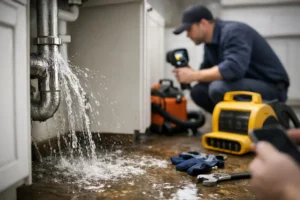

How to Disinfect Flooded Basement Safely
A flooded basement can look manageable once the water has receded, but the real work is only beginning. Knowing how to disinfect flooded basement materials properly helps protect your family, tenants, staff, and building from bacteria, mould growth, odours, and hidden moisture damage. If sewage, groundwater, or extensive water is involved, treat the situation as contaminated until a qualified restoration team has assessed it.
Before cleaning, make the area safe. Do not enter a basement with standing water if electrical panels, outlets, appliances, or wiring may be affected. Turn off power only if it can be done safely from a dry location, and call for help when there is any doubt. For Greater Toronto Area properties, a rapid professional response can prevent a one-day flood from becoming a much larger repair.
First, identify the type of floodwater
Disinfection requirements depend on where the water came from. A clean-water loss from a recently burst supply line is different from water that has travelled through soil, drains, or sewage. Even clean water can become contaminated if it sits for more than a day or moves through building materials.
Water from a toilet overflow containing waste, a sewer backup, a floor drain, an overflowing river, or outside flooding is considered highly contaminated. It can contain bacteria, viruses, parasites, and other harmful pollutants. Do not attempt a major sewage cleanup with household products alone. Porous materials often cannot be safely saved, and contaminated water may be present behind walls, beneath flooring, and inside insulation.
If you are unsure of the source, assume the higher level of risk. This is especially important in multi-unit buildings, where water may have travelled from another suite or shared plumbing system.
Stop the source and document the damage
If the water source is still active, shut off the main water supply for a plumbing failure or contact a plumber immediately. For exterior water intrusion, move valuables only if it is safe to do so and avoid opening doors that could allow more water into finished areas.
Take photos and video before removing damaged materials. Capture the water line on walls, affected furniture, flooring, appliances, and stored belongings. Keep a basic record of when the flood started, when water was removed, and what actions were taken. This documentation can support an insurance claim and help a restoration contractor determine the correct scope of work.
Do not wait for an adjuster before beginning emergency water removal and drying. Delayed mitigation can allow mould to begin growing within 24 to 48 hours.
Wear the right protective equipment
For a small clean-water incident, waterproof gloves, rubber boots, eye protection, and a properly fitted mask are a sensible minimum. If the floodwater may contain sewage or outside water, use more protective equipment and limit who enters the area.
Avoid exposing cuts or broken skin to floodwater. Keep children, pets, and people with respiratory conditions away from the basement until it has been dried, cleaned, and inspected. Never use a standard household vacuum to remove standing water, and do not use fans until contaminated water has been extracted. Fans can spread contaminated droplets and push moisture farther into building materials.
Remove water before you disinfect
Disinfectant cannot do its job through mud, residue, or standing water. The correct order is extraction, cleaning, drying, then disinfection. Use a wet-dry vacuum or pump only when the electrical conditions are safe and the water is limited in scope. For larger losses, professional extraction equipment removes water faster and reaches areas household equipment cannot.
Once standing water is gone, remove wet items from the basement. Move salvageable contents to a dry, protected area for inspection. Cardboard boxes, loose paper, mattresses, upholstered furniture, area rugs, and insulation absorb water quickly. Materials exposed to sewage or floodwater are often unsafe to keep because contamination can remain deep inside them.
Hard, non-porous items such as metal shelving, plastic bins, glass, and sealed solid wood may be cleaned and disinfected if they have not been permanently damaged. Every item should be evaluated based on the water source, how long it was wet, and whether it can be thoroughly cleaned.
How to disinfect flooded basement surfaces
After extraction, physically clean hard surfaces with detergent and clean water to remove visible soil. Then apply an appropriate disinfectant approved for the surface and follow the product label exactly, including the required contact time. The surface needs to remain wet for the stated period for the disinfectant to work.
Household bleach may be appropriate for certain hard, non-porous surfaces, but it is not suitable for every material and can damage finishes, fabrics, metals, and wood. Use an unscented household bleach product only according to its label directions. Never mix bleach with ammonia, vinegar, drain cleaners, or any other cleaner. The resulting fumes can be dangerous.
Open windows when conditions allow and use proper ventilation during cleaning. If ventilation is poor, if odours are strong, or if sewage contamination is involved, step out and arrange professional remediation rather than trying to push through the job.
Pay close attention to concrete floors, foundation walls, baseboards, utility rooms, shelving, laundry areas, and the bottoms of stairs. Clean beyond the visible water line because splashing and wicking can carry contamination higher than the standing water level.
What usually needs to be removed
Disinfection does not make every wet material safe. Drywall, insulation, particleboard, laminate flooring, carpet padding, and many upholstered items can trap contaminated water and support mould growth. With sewage or outside floodwater, these materials generally need controlled removal and disposal.
A clean-water leak caught immediately may allow some materials to be dried and saved. That decision depends on moisture readings, the construction of the affected area, and how quickly drying began. Cutting out materials without checking what is behind them can miss wet cavities or create unnecessary repair work.
Dry the basement completely, not just visibly
A basement can feel dry while moisture remains behind walls, under flooring, or inside framing. Professional restoration teams use moisture meters, thermal imaging, air movers, and commercial dehumidifiers to track drying instead of relying on touch alone.
At home, you can support drying after the area is safe and clean by running a dehumidifier, maintaining airflow, and keeping the space moderately warm. Empty dehumidifiers frequently or use a safe continuous drain. Do not close up walls, reinstall flooring, or return stored belongings until the area has reached acceptable moisture levels.
Musty odours, peeling paint, swelling baseboards, and recurring condensation are warning signs that moisture remains. These are not cosmetic issues. They can point to concealed mould growth or a continuing water-entry problem that needs correction.
When to call a professional restoration company
Call for immediate help when there is sewage, groundwater, more than a small amount of water, a flooded finished basement, electrical concerns, visible mould, or water that has been present longer than 24 hours. Property managers and commercial operators should also act quickly where tenant safety, common areas, inventory, or business interruption are involved.
A complete response includes assessing the category of water damage, extracting water, documenting moisture, cleaning and disinfecting affected areas, removing unsalvageable materials, drying the structure, and completing repairs. Restoration Canada can coordinate this work from emergency mitigation through reconstruction and direct insurance billing, so property owners are not left managing multiple contractors during a stressful loss.
For condominium residents, notify property management promptly. The source of water and responsibility for repairs may involve common elements, another unit, or building plumbing. Even when insurance questions are still being sorted out, the priority remains preventing further damage and protecting occupants.
Do not let a clean-looking basement create false confidence
The biggest mistake after a basement flood is cleaning the visible surface and assuming the problem is over. Contamination and moisture move into places that are difficult to see, particularly beneath finished flooring and behind drywall. A careful cleanup protects the property now, while proper drying and repairs help prevent the same emergency from returning.
If the water source is uncertain, the area smells musty, or you cannot confirm that materials are dry, treat that uncertainty as a reason to get an assessment. Acting early gives you more options to save the building, protect your belongings, and get back on your feet safely.