
How to Sanitize Sewage Spills in Your Home
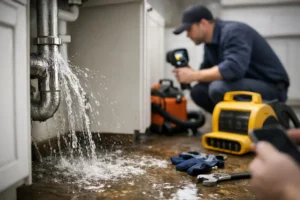
A sewage backup is not a mess to mop up and revisit later. It is a health hazard that can spread bacteria, viruses, parasites, and contaminated water through flooring, walls, furniture, and personal belongings. Knowing how to sanitize sewage spills starts with one priority: keep people and pets away from the affected area, then get the right help before contamination travels farther through your property.
For most homeowners, landlords, condo residents, and business operators, sewage cleanup is not a safe do-it-yourself project. Even a small overflow can affect materials you cannot fully disinfect at the surface. Fast, careful action protects your health, limits damage, and gives you a clearer path through an insurance claim.
Treat Sewage as Contaminated Water
Restoration professionals classify sewage backups as Category 3 water, also called black water. This category can include water from toilets, sanitary sewer lines, septic systems, and outdoor flooding that has mixed with sewage. It may contain harmful microorganisms and contaminants that are not visible or identifiable by smell alone.
The level of risk depends on where the water came from, how long it has been present, the materials it contacted, and whether vulnerable people have been exposed. A toilet overflow caused by clean supply water is different from a drain backup bringing wastewater into a basement. When the source is uncertain, treat the spill as sewage until a qualified professional confirms otherwise.
Do not let children, pets, tenants, employees, or visitors enter the affected area. Keep doors closed where possible and avoid using fans that could move contaminated particles into clean rooms. If the backup is still active, stop using water fixtures in the property and call a plumber or emergency restoration team right away.
Immediate Steps Before Cleanup Begins
Your first actions should reduce exposure and stop further water damage. If it is safe to do so, shut off the water supply to the overflowing fixture. For a widespread backup, avoid flushing toilets, running taps, using dishwashers, or doing laundry until the plumbing issue has been assessed.
If water is near electrical outlets, appliances, a furnace, or an electrical panel, do not step into it. Turn off power only if you can reach the panel without crossing wet areas. Otherwise, wait for qualified help. Water and electricity are a dangerous combination, particularly in basements where the source of the water may be unclear.
Take a few photos or videos from a safe, dry location for your insurer. Document the apparent source, the extent of the affected area, and damaged belongings. Do not delay emergency mitigation while waiting for an adjuster. Insurers generally expect reasonable steps to prevent damage from getting worse.
If you must enter a very small affected area before help arrives, use disposable gloves, waterproof boots, eye protection, and a properly fitted mask. Avoid touching your face, eating, drinking, or using your phone while wearing contaminated gloves. Remove protective equipment carefully and wash hands thoroughly afterward.
How to Sanitize Sewage Spills Safely
Sanitizing a sewage spill is more than applying disinfectant. Proper cleanup requires source control, water extraction, removal of contaminated materials, detailed cleaning, disinfection, drying, and verification that the space can be safely used again.
1. Stop the source and contain the area
The plumbing failure must be addressed before restoration can hold. A drain blockage, failed backwater valve, broken sewer line, or municipal sewer surcharge may continue to send wastewater into the property. Once the flow has stopped, professionals create a controlled work zone to reduce cross-contamination into unaffected rooms.
This can include sealing doorways, using containment barriers, and setting up specialized air management equipment. The goal is not simply to make the room look clean. It is to keep contaminated water, debris, and particles from reaching areas that were not affected.
2. Extract wastewater and remove visible debris
Contaminated water needs to be removed using appropriate extraction equipment and handled through proper disposal procedures. Never use a household vacuum, wet-dry vacuum, or rental carpet cleaner for sewage water. Those tools can become contaminated and may spread unsafe water through the property.
Porous materials that absorbed sewage often cannot be reliably restored. This may include carpet, underpad, insulation, cardboard, paper products, particleboard furniture, mattresses, fabric-covered items, and some damaged drywall. In many cases, baseboards and sections of drywall must be removed so that the structure behind them can be cleaned and dried.
Hard, non-porous materials may be recoverable if they are cleaned promptly and thoroughly. Tile, sealed concrete, metal, glass, and some plastic surfaces can often be cleaned and disinfected, provided they have not been damaged or allowed to remain contaminated for an extended period.
3. Clean first, then disinfect
Disinfectant does not work properly through dirt, waste, or organic residue. Every affected hard surface should first be cleaned with the appropriate detergent or cleaning solution. Once the surface is visibly clean, a suitable disinfectant can be applied according to its labelled contact time.
Do not mix cleaning products. Combining bleach with ammonia, acids, or other chemicals can create dangerous fumes. Bleach is also not suitable for every material, and using too much can damage finishes without solving the deeper contamination problem.
Professional teams select cleaning and antimicrobial products based on the surfaces involved and the scope of the loss. They also clean areas that are easy to miss during a rushed response, including floor edges, wall cavities, framing, lower cabinet interiors, drains, and items moved through the affected zone.
4. Dry the structure completely
A surface can look dry while moisture remains under flooring, inside walls, or beneath cabinets. That hidden moisture creates conditions for mould growth and can lead to odours, swelling materials, and future repair costs.
Commercial drying equipment, controlled airflow, dehumidification, and moisture monitoring are used to bring structural materials back to an acceptable dry standard. The drying plan depends on the building materials, the size of the affected area, indoor conditions, and how quickly mitigation began.
This step is one reason sewage cleanup should not be judged by appearance alone. A clean-looking basement floor is not proof that the subfloor, wall framing, or insulation is safe and dry.
What You Should Not Try to Save
After a sewage spill, sentiment and cost often make people want to keep everything. That is understandable. Still, some items cannot be disinfected with confidence once they have absorbed contaminated water.
Carpet and underpad should generally be removed after contact with sewage. So should upholstered furniture, mattresses, stuffed toys, paper files, books, and food items. Clothing and washable linens may be recoverable in some situations if handled separately and cleaned appropriately, but heavily contaminated textiles may need disposal.
Hardwood flooring, laminate, engineered flooring, and cabinetry require a case-by-case assessment. Water can travel beneath these finishes, causing contamination and moisture damage that is not visible from above. Early professional assessment gives you the best chance of identifying what can be restored and what needs replacement.
When to Call a Professional Sewage Cleanup Team
Call for professional help immediately when sewage has reached finished flooring, drywall, insulation, contents, HVAC components, or more than a small, contained hard-surface area. You should also call if the source is unknown, wastewater has entered a condo unit from another suite, or the affected area is a workplace, rental property, daycare, restaurant, or other shared environment.
A qualified restoration team can coordinate the urgent work in the right order: emergency response, damage assessment, extraction and controlled demolition, cleaning and drying, then repairs and restoration. This creates documentation for your insurer and avoids the common problem of completing cosmetic repairs before the structure is actually dry and safe.
For Greater Toronto Area property owners, Restoration Canada provides 24/7 emergency sewage backup cleanup, detailed moisture assessment, disinfection, drying, contents support, and full repair work. Direct insurance billing can also reduce one burden when you are managing an unexpected property emergency.
Protect Your Property After the Cleanup
Once the space is restored, ask what caused the backup and what can reduce the chance of another event. Depending on the situation, useful next steps may include drain cleaning, camera inspection of sewer lines, repairing cracked pipes, installing or servicing a backwater valve, improving grading, or planning basement waterproofing.
Keep records of the cleanup, repairs, invoices, photos, and communications with your insurer. If you manage a commercial property or rental building, document tenant notifications and any temporary access restrictions as well. Clear records make future decisions easier and demonstrate that the incident was handled responsibly.
A sewage spill can feel overwhelming in the first hour, but you do not need to solve every detail alone. Secure the area, stop the source where it is safe, and bring in qualified help early. The fastest route back to a safe, usable property is a cleanup that addresses the contamination you can see and the damage you cannot.