
Water Extraction Versus Dehumidification
A wet basement carpet may look manageable, but water can already be moving beneath flooring, into drywall, and through framing. Water extraction versus dehumidification is not an either-or decision after a flood or leak. They are two separate stages of professional drying, and skipping either one can leave a Greater Toronto Area property vulnerable to mould, odours, material damage, and costly repairs.
When water enters a home, condo unit, retail space, or commercial building, the first priority is to stop the source and remove standing water quickly. The next priority is to dry the moisture that remains where you cannot see it. A proper restoration plan addresses both, then confirms the structure is dry before repairs begin.
Water Extraction Versus Dehumidification: The Core Difference
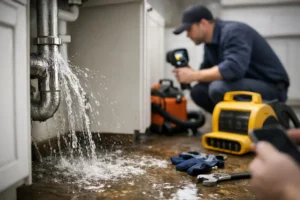
Water extraction is the physical removal of liquid water from a property. Restoration teams use powerful pumps, truck-mounted extraction systems, wet vacuums, and specialized carpet tools to remove water from floors, carpets, underpadding, and other affected areas. The goal is simple: remove as much water as possible before it has time to travel deeper into building materials.
Dehumidification removes moisture from the air. Professional dehumidifiers draw in humid air, condense the water vapour, and collect or drain that water away. As the air becomes drier, moisture trapped in damp materials can evaporate into the air and be removed. This is how framing, subfloors, drywall, insulation, furnishings, and other materials are brought back toward safe moisture levels.
Extraction deals with the water you can remove directly. Dehumidification addresses the water that has soaked in, evaporated, or migrated beyond the surface. Neither process replaces the other.
A dehumidifier placed in a room with several centimetres of standing water will work slowly and inefficiently. On the other hand, extracting visible water without controlling humidity can leave materials damp for days. That extended drying time creates the conditions mould needs to grow.
Why Fast Extraction Matters After a Flood
Every hour matters when a pipe bursts, an appliance line leaks, or heavy rain floods a basement. Water can wick up drywall, saturate carpet backing, swell wood flooring, and soak insulation behind finished walls. In a commercial setting, it can also threaten inventory, electrical systems, tenant spaces, and business operations.
Rapid extraction limits the amount of water available to cause further damage. It can help preserve salvageable materials and reduce the scope of demolition required later. It also makes the drying stage more effective because dehumidifiers and air movers are no longer trying to overcome a large volume of standing water.
The type of water also changes the response. Clean water from a supply line may allow more materials to be dried and restored if addressed immediately. Water from a dishwasher, washing machine, or drain can contain contaminants. Sewage backups and toilet overflows require controlled cleanup, disinfection, removal of contaminated porous materials where necessary, and safe handling by trained professionals. No amount of dehumidification makes contaminated materials sanitary.
If water is near outlets, electrical panels, appliances, or wiring, avoid entering the area until it is safe to do so. Do not use household vacuums to remove floodwater, and do not lift soaked carpet or open walls without considering contamination and potential electrical hazards.
How Professional Dehumidification Dries Hidden Moisture
Once bulk water has been extracted, restoration technicians create the right drying conditions. This usually involves commercial dehumidifiers, carefully placed air movers, and regular monitoring with moisture meters and thermal imaging equipment. The equipment is selected based on the size of the affected area, the materials involved, the temperature, and the amount of moisture present.
Air movers increase airflow across damp surfaces. This encourages moisture to evaporate from materials. Dehumidifiers then capture that moisture from the air rather than allowing it to settle elsewhere in the property. The process is controlled, not simply a matter of turning on a few fans.
Drying too aggressively without proper humidity control can push humid air into other rooms or cause uneven drying. Drying too slowly allows damage to continue. A professional team measures progress daily and adjusts equipment as conditions change. The objective is not for a surface to feel dry to the touch. It is for affected materials to reach an appropriate moisture content compared with unaffected areas of the building.
This distinction is particularly important in finished basements and condominium units. Laminate flooring, engineered hardwood, baseboards, drywall, and cabinetry can conceal significant moisture. A room may appear dry while water remains beneath the floor or behind a wall. Moisture mapping helps determine whether targeted drying is possible or whether certain materials need removal to protect the rest of the property.
When Extraction Alone Is Not Enough
A small spill on a non-porous tile floor may only need immediate cleanup and ventilation. Most property losses are not that simple. If water has reached carpet, underpadding, wood, drywall, insulation, ceiling cavities, or the subfloor, extraction alone is rarely sufficient.
Consider a basement flood where water has been pumped out and the floor looks clear. The concrete may still be releasing moisture, the bottom of the drywall may be saturated, and the air humidity may be high enough to slow evaporation. Without dehumidification and monitoring, a musty smell or visible mould can appear days later.
The same issue applies after a roof leak. Water may enter through a small area of the ceiling, then spread along framing before becoming visible. Removing a drip bucket does not resolve moisture hidden above the ceiling line. Controlled drying and assessment help prevent a minor leak from becoming a larger restoration project.
When Dehumidification Cannot Replace Extraction
Portable household dehumidifiers can be useful after a minor humidity issue, but they are not designed to manage a flood. They have limited capacity, often require frequent emptying, and do not remove water trapped under flooring or within carpet padding. They also cannot safely address contaminated water or provide the documentation commonly needed for an insurance claim.
For significant water damage, relying on a dehumidifier before standing water is removed can prolong the emergency. Water continues to absorb into surrounding materials while the machine removes only a relatively small amount of moisture from the air. Professional extraction equipment removes bulk water far faster, allowing the drying plan to begin on the right footing.
A practical rule is this: if you can see pooling water, hear squishing underfoot, find wet drywall or carpeting, or notice water travelling from another unit, extraction should happen immediately. Dehumidification follows as part of the complete drying process.
A Professional Water Damage Workflow
A reliable response begins with an assessment of the water source, affected materials, contamination risk, and safety concerns. The team documents the loss, identifies where water has travelled, and develops a plan for mitigation and restoration.
The immediate work generally follows four connected steps:
- Emergency response and safety control: Stop or isolate the source where possible, assess electrical and contamination hazards, and protect unaffected areas.
- Water removal: Extract standing water from floors, carpets, cavities, and other affected materials using commercial equipment.
- Drying and disinfection: Set dehumidifiers and air movers, clean and disinfect when appropriate, monitor moisture, and remove materials that cannot be safely restored.
- Repair and restoration: Rebuild damaged areas, including drywall, flooring, trim, cabinetry, painting, and other finishes needed to return the property to pre-loss condition.
For landlords, condo boards, and commercial operators, communication is just as important as equipment. Tenants, occupants, insurers, and property managers need clear updates about access, drying timelines, safety requirements, and repair decisions. Good documentation also supports insurance coordination and helps prevent disputes about the extent of the damage.
What to Do While Help Is on the Way
After calling for emergency restoration support, take only the steps that are safe. Shut off the water supply if you can identify the source. Move dry valuables and light furniture away from the affected area. Take photos or video for insurance documentation before removing items, if conditions allow.
Avoid using regular fans in sewage-contaminated areas, and do not assume a wet ceiling is safe to stand beneath. If the source is unknown, water is spreading rapidly, or there is any electrical concern, keep people and pets out of the area until a professional can assess it.
Restoration Canada provides urgent water damage response across the GTA, with a process built around rapid attendance, clear communication, professional drying, and complete repairs. When a property is wet, the right question is not whether to choose extraction or dehumidification. It is how quickly both can begin, how thoroughly the moisture can be tracked, and what it will take to make the space safe and whole again.
The visible water is often the part that causes alarm. The moisture left behind is what can quietly extend the damage. Acting early gives your property the best chance of a cleaner, faster recovery.