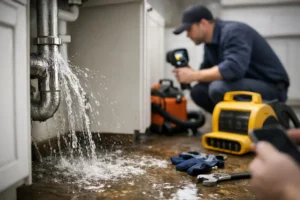

Toronto's Top 5 Neighborhoods
Most at Risk of Basement Flooding
From overwhelmed sewer systems to aging infrastructure, certain Toronto neighborhoods face significantly higher exposure to basement flooding. Find out if your community is on the list — and what you can do about it.
Toronto homeowners know one thing all too well: when heavy rain hits the city, basements become battlegrounds. From overwhelmed sewer systems to aging infrastructure and poor drainage, basement flooding has become one of the most expensive and stressful property issues across the GTA. According to the City of Toronto, every home carries some level of flooding risk — especially during extreme rainfall events.
The problem is not evenly distributed across the city, though. Certain neighborhoods face significantly higher exposure due to geography, older sewer systems, proximity to rivers and creeks, and decades-old urban planning decisions.
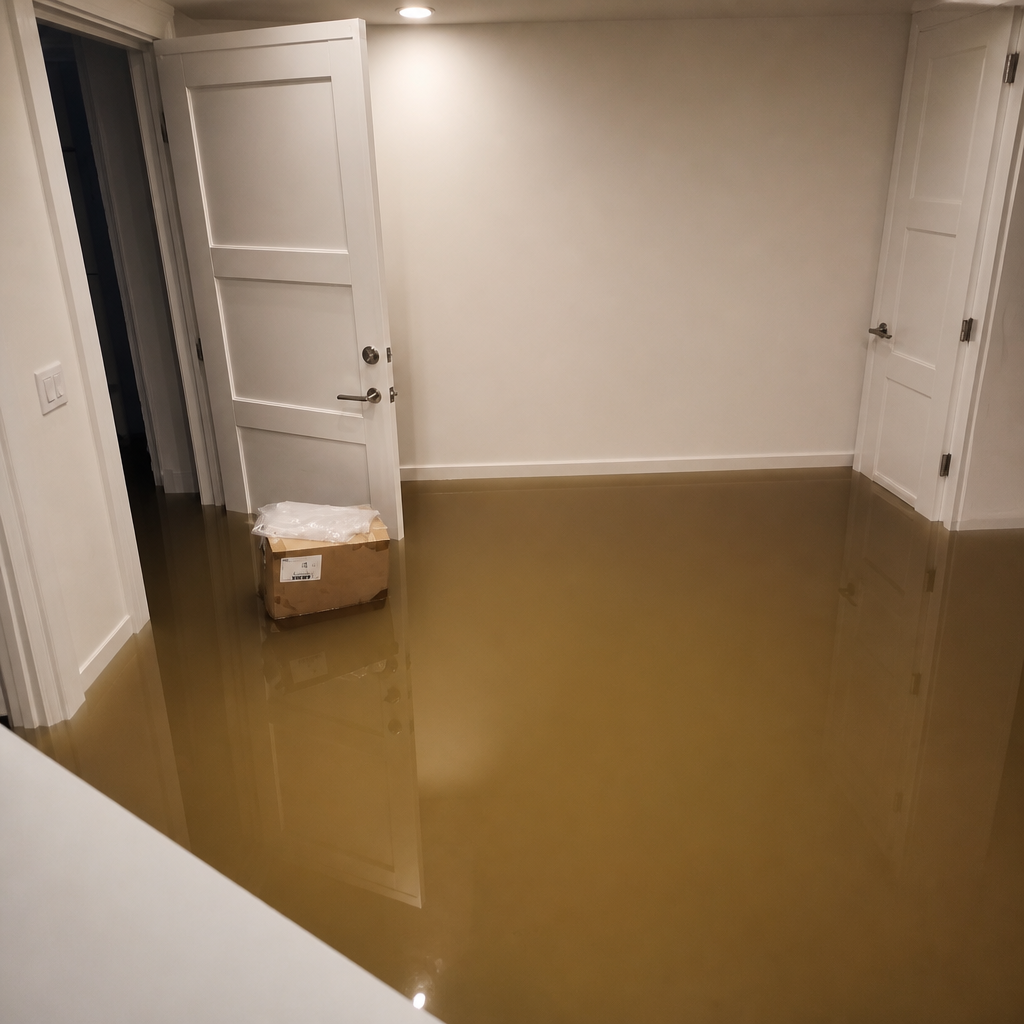
If you live in one of Toronto's flood-prone areas, understanding the risks can help you prepare before the next storm turns your basement into an indoor swimming pool.
Why Basement Flooding Is Increasing Across Toronto
Toronto's basement flooding problems are no longer isolated incidents. They are becoming a recurring reality for homeowners across the city. One of the biggest reasons behind this shift is the combination of aging infrastructure and stronger, more unpredictable weather systems. Large portions of Toronto were developed decades ago, long before climate scientists predicted today's intense rainfall patterns.
Aging Sewer Infrastructure
The City of Toronto has acknowledged that overloaded sewer systems are one of the leading causes of basement flooding during heavy rainstorms. When stormwater overwhelms underground pipes, water has nowhere to go. Instead, it pushes backward into residential properties through floor drains, toilets, and foundation cracks. It's like trying to force ten lanes of traffic through a two-lane tunnel — eventually, pressure builds and chaos spills outward.
Climate Change and Extreme Rainfall
Climate change has amplified the problem dramatically. Short-duration storms are becoming more intense across Southern Ontario, which means neighborhoods that never flooded twenty years ago may suddenly face repeated water damage today. Snowmelt events also contribute — when frozen ground prevents proper absorption, melting snow quickly overwhelms drainage systems and increases groundwater pressure around foundations.
Another overlooked factor is urban development. As Toronto expands, more natural green spaces are replaced with concrete and paved surfaces. Rainwater that once soaked into soil now rushes directly into drains and sewer systems — resulting in faster runoff, overwhelmed infrastructure, and increased flooding risks across vulnerable communities.
How Toronto Identifies Flood-Prone Areas
The City of Toronto has spent years studying flood-prone areas through environmental assessments and basement flooding studies. Engineers analyze neighborhoods where sewer backups, overland flooding, and drainage failures happen most frequently. These studies help determine where infrastructure improvements are most urgently needed.
Geography plays a major role. Homes near rivers, creeks, and valleys naturally face higher risk during heavy rainfall. Communities near Highland Creek, Black Creek, and the Don River consistently appear in flooding discussions because these waterways can overflow during severe storms. The age of a neighborhood also matters — older communities often rely on combined sewer systems where sanitary sewage and stormwater share the same underground pipes.
Flooded Basement Right Now?
Our certified technicians arrive on-site within 60 minutes across the GTA — 24/7.
The 5 Highest-Risk Neighborhoods
Why Basement Flooding in Scarborough Is So Common
When discussing basement flooding in Scarborough, one area consistently stands out: neighborhoods surrounding Highland Creek and South Scarborough. The City of Toronto has identified multiple Scarborough communities as basement flooding study areas due to repeated flooding during extreme rainfall events.
Highland Creek and Drainage Challenges
Scarborough's flooding issues stem from a combination of terrain, aging infrastructure, and proximity to creeks and ravines. Many homes are located near sloped areas where stormwater naturally travels downhill. The City's Basement Flooding Study Area 59 specifically highlights repeated basement and surface flooding incidents in South Scarborough communities.
Older homes add another layer of risk — many Scarborough properties were built decades ago without modern waterproofing systems, sump pumps, or backwater valves. Insurance claims related to flooding have become increasingly common, with restoration costs climbing into tens of thousands of dollars.
Flooding Risks Near Rivers and Older Homes
Flooding in Etobicoke is often tied directly to geography. Several neighborhoods sit near rivers, creeks, and floodplain-adjacent areas that become vulnerable during major rainfall events. Communities close to the Humber River and Black Creek are particularly exposed to overland flooding and sewer backups.
Black Creek and Humber River Impact
One neighborhood frequently discussed in flood-risk conversations is Rockcliffe-Smythe. Etobicoke also contains many post-war homes with older drainage systems and foundations — properties that often lack modern waterproof membranes, sump pump systems, or upgraded sewer connections.
Urban intensification worsens the challenge. New developments increase paved surfaces, accelerating runoff into sewer systems faster than aging infrastructure can manage — a classic example of an old system trying to keep up with a modern, rapidly growing city.
Combined Sewer Systems Explained
Downtown Toronto may not seem like an obvious flooding hotspot, but older urban neighborhoods carry some of the city's highest basement flooding risks. Areas stretching from St. Clair Avenue West to Lake Ontario have already been identified by the City as recurring flood study zones.
The biggest issue downtown is infrastructure age. Many buildings rely on combined sewer systems designed generations ago — systems that collect both sewage and stormwater within the same pipes. Imagine trying to empty an overflowing bathtub using a straw. That's essentially what happens during intense rainfall events downtown.
Why Older Homes Face Greater Risk
Urban density worsens the situation dramatically. Downtown neighborhoods contain vast stretches of pavement with limited green space to absorb rainwater naturally — meaning nearly all rainfall becomes immediate runoff directed toward already-strained storm drains. Older row houses and century homes are particularly vulnerable because many foundations were never designed for today's rainfall intensity.
Urban Expansion and Drainage Pressure
North York may appear less vulnerable compared to river-adjacent communities, but several neighborhoods still face substantial basement flooding risks due to rapid urban expansion and drainage limitations. As more shopping centers, subdivisions, and roadways replace natural soil absorption areas, stormwater flows faster into sewer systems — creating tremendous pressure during heavy rain events.
Basement Flooding During Snowmelt
Snowmelt is another major concern in North York. During winter thaw periods, frozen ground prevents water from soaking naturally into soil. Instead, melting snow accumulates around foundations and enters overloaded drainage systems. When combined with rainfall, these conditions create ideal circumstances for basement flooding.
Properties with finished basements face especially high financial risks because water damage often extends beyond flooring — drywall, insulation, furniture, electrical systems, and personal belongings may all require replacement after flooding events.
Don River Overflow Concerns
East York neighborhoods located near the Don River face unique flooding challenges tied directly to waterway overflow risks and drainage system limitations. During severe storms, nearby rivers and creeks can rise rapidly, increasing pressure throughout surrounding drainage infrastructure.
Stormwater Backup Issues
Communities bordering valley systems are particularly vulnerable because water naturally collects in lower elevations. Older East York homes also share many vulnerabilities found in downtown Toronto — aging foundations, deteriorating weeping tiles, and outdated sewer connections that increase susceptibility to water intrusion during extreme weather.
What makes flooding especially stressful for homeowners is the unpredictability. A basement may remain completely dry for years, only to flood suddenly during one powerful rainfall event — leaving many homeowners unaware of their true flood exposure until disaster strikes.
Signs Your Home May Be at Risk
Many homeowners ignore early warning signs because the symptoms seem minor at first. A small musty smell, slight wall discoloration, or occasional dampness near foundation walls may appear harmless. In reality, these issues often signal deeper moisture problems already developing below the surface.
| Warning Sign | Why It Matters |
|---|---|
| Musty basement odors | Indicates trapped moisture or mold growth already developing |
| Cracks in foundation walls | Allows groundwater infiltration, especially during heavy rain |
| Water stains on walls | Evidence of past seepage — the problem will likely repeat |
| Slow floor drains | Sewer system may already be stressed and near capacity |
| Pooling water near foundation | Poor exterior drainage directing water toward the home |
| Frequent sump pump activity | Excess groundwater pressure building around your foundation |
How to Reduce Basement Flooding Risk
Protecting your basement starts with understanding that prevention is far cheaper than restoration. While no home can eliminate flooding risk completely, several upgrades significantly reduce exposure.
- Install a Backwater Valve Prevents sewage from flowing backward into your home during overloaded sewer conditions. One of the most effective flood protections available — the City of Toronto offers subsidy programs to offset installation costs.
- Add or Upgrade Your Sump Pump Removes groundwater accumulating around your foundation before it enters the basement. Consider a battery backup unit for protection during power outages — which often occur during heavy storms.
- Foundation Waterproofing Exterior membranes, improved drainage systems, and crack repairs help block groundwater infiltration before it enters the basement. A major investment that dramatically improves long-term protection.
- Improve Exterior Grading Ensure rainwater flows away from your foundation instead of toward it. Small grading adjustments can have a significant impact on how much water accumulates around your home during storms.
- Routine Maintenance Clean eavestroughs, disconnect downspouts properly, and ensure catch basins remain clear. Think of flood prevention like maintaining your car — ignoring small problems today leads to expensive disasters later.
What To Do Immediately After a Flood
When basement flooding occurs, speed matters. Water damage worsens by the hour, and mold can begin developing in as little as 24–48 hours in damp environments.
Basement Flooded in the GTA?
Restoration Canada arrives within 60 minutes, handles your insurance claim, and restores your home — 24/7 including weekends.
Conclusion
Basement flooding is no longer a rare inconvenience in Toronto. It has become a growing reality shaped by climate change, aging infrastructure, and urban expansion. Neighborhoods in Scarborough, Etobicoke, Downtown Toronto, North York, and East York face some of the city's highest flooding risks due to their geography, sewer systems, and historical development patterns.
Understanding your neighborhood's vulnerability is the first step toward protecting your property. Whether the threat comes from sewer backups, overflowing creeks, groundwater seepage, or overloaded drainage systems, proactive preparation can make an enormous difference. Investing in flood prevention today may save homeowners thousands of dollars — and a great deal of stress — when the next major storm arrives.
Frequently Asked Questions
Scarborough and parts of Etobicoke frequently rank among the highest-risk areas due to aging infrastructure, creek systems, and well-documented historical flooding patterns. The City has identified multiple study areas in both communities.
Older homes often rely on outdated sewer systems and foundations that lack modern waterproofing protections such as sump pumps, backwater valves, and waterproof membranes. Many were built before today's intense rainfall patterns were anticipated.
Coverage varies by policy. Many insurers require separate sewer backup or overland flooding endorsements for full protection. Review your policy carefully and speak with your insurer about available add-ons.
Heavy rainfall overwhelms sewer systems, increasing underground pressure and forcing water backward into residential plumbing systems through floor drains, toilets, and foundation cracks.
Installing backwater valves, sump pumps, foundation waterproofing, and improving exterior drainage are among the most effective flood prevention measures. The City of Toronto also offers subsidy programs for eligible homeowners.