
Disaster Recovery for GTA Properties After Damage
A flooded basement at 2 a.m., a burst pipe above a finished office, or smoke damage after a kitchen fire can turn a normal day into a property emergency without warning. Effective disaster recovery is not simply about cleaning what is visible. It is about stopping further damage, protecting health and safety, documenting the loss, and restoring the space properly so you can move forward with confidence.
For homeowners, condominium residents, landlords, and commercial property managers in the Greater Toronto Area, the first hours matter. Water can travel behind walls and below flooring. Sewage contamination can make an otherwise manageable cleanup a health concern. Smoke residues can spread far beyond the room where a fire started. Fast, professional action helps prevent a stressful event from becoming a larger and more expensive repair.
What Disaster Recovery Means for Your Property
Property disaster recovery is the coordinated process of responding to damage, mitigating immediate risks, cleaning and drying affected materials, and completing the repairs needed to return a building to its pre-loss condition. The right approach depends on the type of loss, the materials involved, how long damage has been present, and whether occupants can safely remain in the property.
A small supply-line leak and a sewage backup may both leave water on the floor, but they require very different handling. Clean water from a newly discovered plumbing failure may allow certain materials to be dried and saved. Sewage, however, requires controlled cleanup, disinfection, and removal of contaminated porous materials where necessary. Treating every loss the same can leave hidden contamination or moisture behind.
The goal is not to rush repairs before the building is stable. It is to take control of the emergency, make informed decisions, and restore every affected area thoroughly. That includes the parts of the property you cannot see, such as wall cavities, subfloors, insulation, ductwork, and contents stored in basements or utility rooms.
The First Actions to Take After Property Damage
Your immediate priorities are safety and damage control. If there is an active water leak and it is safe to do so, shut off the nearest water source or the main water supply. If electrical outlets, appliances, or the electrical panel may be affected, stay clear of the area and contact a qualified professional. After a fire, do not re-enter until authorities say it is safe. In the case of sewage, avoid contact with the water and keep children and pets away.
Take photos or video of the damage before moving items when possible. Capture standing water, damaged finishes, affected contents, and the apparent source of the issue. This documentation can support an insurance claim, but do not delay emergency mitigation just to take perfect photos. Active water and moisture can cause significant secondary damage in a short period of time.
Contact your insurer to report the loss and understand the next steps under your policy. Many policies require prompt notice and reasonable action to prevent further damage. A restoration team that provides detailed documentation and direct insurance billing can reduce administrative pressure while you focus on your family, tenants, customers, or operations.
A Practical Disaster Recovery Process
A professional response follows a clear sequence, although some stages overlap during urgent situations. The work should be based on the actual conditions inside the property, not assumptions made from surface damage alone.
1. Emergency response and stabilization
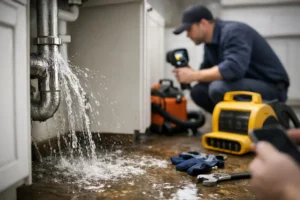
The first task is to stop the source of damage where possible and secure the site. This may involve shutting off water, extracting standing water, boarding up fire-damaged openings, removing immediate safety hazards, or setting up containment around contaminated areas. For a flood or burst pipe, rapid extraction is often the difference between drying materials in place and needing to remove them.
Restoration Canada provides 24/7 emergency response across the GTA, with the aim of attending within 30 to 60 minutes when urgent property damage requires immediate attention. Quick attendance is especially valuable after basement flooding, plumbing failures, and sewage backups, when conditions can deteriorate by the hour.
2. Damage assessment and documentation
A proper assessment looks beyond wet carpet or stained drywall. Moisture-detection equipment helps identify how far water has travelled, while a visual inspection can reveal affected insulation, baseboards, cabinetry, ceilings, and structural components. With fire losses, the assessment also considers soot migration, odours, water used during firefighting, and compromised building materials.
This stage establishes the scope of work and helps determine what can be cleaned, dried, restored, or must be removed. It also creates a record for insurance purposes. Clear communication matters here. You should understand what was found, what work is recommended, and what disruptions to expect before major decisions are made.
3. Water removal, drying, cleaning, and disinfection
Water extraction alone does not complete a flood response. Materials can appear dry while moisture remains beneath floors or inside walls. Professional drying uses controlled airflow, dehumidification, moisture monitoring, and targeted removal of materials that cannot be safely dried. The drying plan should be adjusted as readings change, not left unattended for a few days.
Cleaning requirements vary by loss category. A clean-water incident may primarily require drying and cleaning of affected surfaces. A sewage backup, however, requires specialized cleanup and disinfection to address bacteria and other contaminants. If mould growth is present or likely due to prolonged moisture, containment and appropriate remediation are needed before reconstruction begins.
There are trade-offs. Removing more material may feel disruptive, but trying to save heavily saturated drywall, insulation, or laminate flooring can create future mould, odour, and structural concerns. A responsible contractor explains why a material is being removed and whether a less invasive option is genuinely safe.
4. Repair and complete restoration
Mitigation is only the first half of the job. Once the property is dry, clean, and safe, reconstruction can begin. This may include drywall replacement, insulation, flooring, trim, painting, cabinetry repairs, ceiling work, and rebuilding fire-damaged sections. Coordinating emergency cleanup and finish repairs through one accountable team helps avoid gaps between contractors and gives property owners one clear point of contact.
For commercial sites, restoration planning should also consider business continuity. A retail unit may need safe access restored quickly, while an office may require work to be phased around employees, tenants, equipment, or customer hours. The best solution is not always the fastest-looking repair. It is the one that protects the building while minimizing unnecessary interruption.
Common Events That Require Professional Help
Water damage is one of the most frequent reasons to call for emergency restoration. Burst pipes, appliance leaks, overflowing fixtures, roof leaks, and foundation seepage can all affect far more than the initial puddle suggests. Basement floods deserve particular attention because stored belongings, finished walls, and flooring are often affected at the same time.
Sewage backups require immediate professional handling due to the health risks and contamination involved. Do not use household fans to dry a contaminated area, as this can spread particles and odours. Keep the area isolated until trained technicians can assess and clean it correctly.
Fire damage also extends beyond charred building materials. Smoke and soot can settle throughout a property, and the water used to extinguish the fire may create a second moisture problem. Prompt assessment helps protect salvageable contents and prevents corrosion, odours, and staining from becoming permanent.
Mould concerns may arise after a flood, a hidden leak, or ongoing humidity problems. Mould removal should address the moisture source, not just the visible growth. Without correcting the cause, the same issue can return after cleaning or renovation.
How to Prepare Before an Emergency Happens
No property can be made completely immune to damage, but preparation can limit the impact. Know where your main water shutoff is located and make sure household members or building staff can access it. Keep sump pumps maintained, inspect hoses and plumbing connections, and avoid storing irreplaceable documents or valuables directly on basement floors.
Property managers and commercial operators benefit from having an emergency contact plan that identifies who can authorize work, communicate with tenants, contact insurers, and access mechanical rooms after hours. It is also wise to keep current photos of key areas and an inventory of high-value equipment or contents. These simple steps make a difficult response more organized when time is limited.
When damage occurs, do not feel pressured to solve every decision alone. Get the area safe, document what you can, and bring in a qualified restoration team early. A clear plan and steady communication can turn a chaotic property emergency into a manageable path back to a safe, finished space.