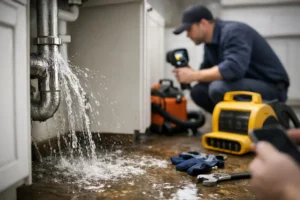

Flood Damage Assessment After a Property Flood
A flooded basement, burst pipe, roof leak, or sewage backup can change the condition of a property in minutes. Water travels behind walls, beneath flooring, through insulation, and into building materials long before the full extent of the problem is visible. A professional flood damage assessment gives you a clear picture of what has been affected, what needs immediate attention, and how to prevent a manageable loss from becoming a larger restoration project.
For homeowners, condo residents, landlords, and commercial property operators in the Greater Toronto Area, the first priority is safety. If water is near electrical outlets, appliances, a panel, or gas equipment, stay clear of the area and seek professional help right away. Do not enter standing water if its source is unknown, especially after a sewage backup or outdoor flood event.
What a Flood Damage Assessment Looks For
Flood damage is rarely limited to the visible water line. An assessment begins by identifying the source and determining whether it has been stopped. A supply-line leak, appliance failure, foundation seepage, roof leak, sewer backup, and overland flood each create different risks and require a different cleanup approach.
The restoration team then inspects affected rooms, adjoining spaces, lower levels, wall cavities, flooring systems, ceilings, insulation, contents, and structural materials. Moisture meters, thermal imaging, and other diagnostic tools help locate water that cannot be seen without opening up finished surfaces. This matters because drywall, wood framing, subfloors, carpeting, and insulation can retain moisture even when a room appears dry.
The assessment also considers the type of water involved. Clean water from a fresh plumbing supply leak may allow some materials to be dried and saved if addressed quickly. Water from a dishwasher, washing machine, drain, or toilet can carry contaminants. Sewage and outdoor floodwater require more extensive containment, removal, cleaning, and disinfection because they may contain harmful bacteria and other pollutants.
Why Speed Changes the Outcome
The first 24 to 48 hours after water enters a property are critical. The longer moisture remains in porous materials, the greater the chance of swelling, warping, delamination, staining, odour, and mould growth. Fast action can often save flooring, cabinets, drywall, furniture, and personal belongings. Waiting can turn drying work into demolition and reconstruction.
That does not mean every wet material should automatically be removed. The right decision depends on the water category, how long materials were wet, the extent of saturation, and whether the material can be properly cleaned and dried. A sound flood damage assessment prevents guesswork. It identifies what can reasonably be restored and what must be removed to protect the building and its occupants.
For commercial properties, speed also protects business continuity. Water can affect electrical systems, equipment, inventory, tenant areas, records, and access routes. A documented plan lets building operators make informed decisions about temporary closures, safe re-entry, contents handling, and the sequence of repairs.
The Four Stages of Professional Flood Recovery
A thorough assessment is the foundation of the entire restoration process, but it is only the first stage. Recovery generally follows four connected steps.
1. Emergency response and stabilization
The immediate goal is to stop additional damage. This may include shutting off the water source, extracting standing water, protecting unaffected rooms, moving contents, and establishing safe access. If the loss involves contaminated water, the team isolates affected areas to limit cross-contamination.
In an emergency, details can feel overwhelming. A responsive restoration company should explain what is happening, what needs approval, and what comes next. Restoration Canada provides 24/7 emergency support and works to arrive quickly so mitigation can begin before moisture causes further damage.
2. Documentation and scope of damage
Before major removal or repair begins, the property should be carefully documented. This includes photographs, moisture readings, affected materials, visible damage, and recommended mitigation steps. Clear documentation helps support insurance claims and gives property owners a record of the condition of their home, unit, or facility.
If you are making an insurance claim, notify your insurer as soon as practical. Keep receipts for emergency expenses and avoid disposing of damaged contents before they have been documented, unless they pose an immediate health or safety concern. Direct insurance billing may be available, depending on the policy and the nature of the loss.
3. Water removal, drying, and cleaning
Water extraction alone is not drying. After standing water is removed, professional air movement, dehumidification, and controlled drying are used to reduce moisture in building materials and the air. Technicians monitor progress with moisture readings rather than relying on touch or appearance.
Where contamination is present, cleaning and disinfection are built into the process. Materials such as saturated carpet padding, wet insulation, contaminated drywall, and porous contents may need removal because they cannot be reliably returned to a safe condition. The objective is not merely to make the space look clean. It is to return it to a dry, sanitary, stable condition that can be repaired properly.
4. Repair and restoration
Once drying targets have been reached, repairs can begin. The scope may be as limited as replacing baseboards and repainting, or as involved as rebuilding walls, installing new flooring, repairing cabinetry, and restoring a finished basement. Coordinating mitigation and reconstruction through one accountable team helps avoid the common gap between emergency cleanup and completed repairs.
What You Can Do Before Help Arrives
If it is safe to do so, shut off the water source or stop using the fixture that caused the leak. Move dry, valuable, or easily damaged belongings away from the affected area. Lift furniture off wet flooring where possible, and remove loose items such as rugs, boxes, and small electronics.
Avoid using a household vacuum on standing water. Do not run fans in an area affected by sewage or unknown floodwater, as this can spread contaminants. Do not open walls, remove flooring, or discard major items before documentation unless there is an urgent safety reason. These actions can complicate insurance documentation and may expose hidden hazards.
Take photos or video from a safe distance, including the source of the water if visible. Note when you first discovered the damage and any steps you have already taken. Those small details can be useful when the restoration team and insurer assess the loss.
Common Problems an Assessment Can Prevent
A proper inspection can identify issues that often emerge after a rushed cleanup. Hidden moisture behind baseboards can lead to mould. Wet subflooring can cause flooring failures months later. Water that reaches insulation can reduce its effectiveness and leave an ongoing odour. A ceiling stain may point to a larger roof or plumbing issue above it, while a recurring basement flood may indicate drainage, foundation, or waterproofing concerns that need a longer-term solution.
Condo and apartment residents have an added layer of complexity. Water may have originated in another unit, a common area, or a building system. Documenting the damage promptly and communicating with property management can help establish the scope of work and reduce delays. Landlords and property managers should also consider adjacent suites, shared walls, and spaces below the affected unit, since water does not respect ownership boundaries.
Choosing the Right Next Step
Not every wet floor requires a full restoration project, but every significant water event deserves a qualified assessment. Call for immediate help when there is standing water, a burst pipe, sewage backup, water near electrical equipment, saturated carpets or drywall, visible mould, or a leak that has been active for an unknown period.
A trustworthy restoration partner will explain the findings in plain language, identify the urgent work, provide realistic options for repair, and keep you informed as conditions change. You should know what is being dried, what is being removed, why those decisions are necessary, and how the work supports a safe return to normal.
When water damages a property, the goal is not simply to remove what you can see. It is to protect the people who use the space, preserve what can be saved, and make sure hidden moisture does not become tomorrow’s problem. Acting quickly and starting with a careful assessment gives your property the best chance of a clean, complete recovery.