
Toronto Sewage Backup
Insurance: What's Actually
Covered in 2026
Many homeowners assume that if they pay for home insurance every month, any water entering the home is automatically covered. That assumption is exactly where problems begin — and where five-figure surprises happen.
- Why Coverage Matters More Than Ever
- What Is Sewage Backup Insurance?
- Does Standard Insurance Cover It?
- What's Typically Included
- What's Usually Not Covered
- How Claims Work
- How Much Coverage to Carry
- Questions for Your Insurer
- FAQs
Water damage has quietly become one of the biggest financial risks facing homeowners in the Greater Toronto Area. Not fire. Not theft. Water. And among all water-related claims, sewer backups continue to stand out because they are expensive, disruptive, and frequently misunderstood.
In 2026, sewage backup insurance Toronto 2026 searches are increasing because people are discovering that standard home policies often exclude this type of damage unless specific endorsements were added beforehand. If you own a detached house, townhouse, condo, or rental property in Toronto or anywhere in the GTA, understanding exactly what is covered can mean the difference between a manageable claim and a five-figure surprise.

Why Sewer Backup Coverage Matters More Than Ever in Toronto
Toronto has experienced repeated pressure on stormwater systems and aging underground infrastructure. Basements that once seemed safe are now being exposed to increasingly intense rainfall and overloaded municipal systems. Industry reporting continues to highlight sewer backup as one of the most frequent water-related insurance events affecting Canadian homeowners.
Rising Weather and Water-Related Risks
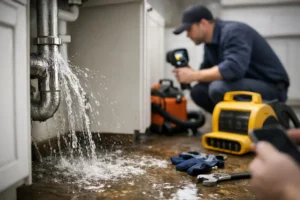
Sewage backup events are rarely small. Cleanup can involve contaminated water removal, demolition of drywall and flooring, sanitization, restoration, and replacement of personal belongings. A finished basement can transform what looked like a minor incident into a claim worth tens of thousands of dollars.
Why Standard Home Insurance Often Falls Short
For Toronto homeowners, this conversation is no longer optional. With premiums rising and claim frequency increasing, understanding exactly what your policy includes — and what it does not — has become essential financial planning, not just insurance paperwork.
What Is Sewage Backup Insurance?
Sewer backup coverage Ontario homeowners purchase is typically an optional endorsement added to a home insurance policy. Instead of covering every possible water event under one umbrella, insurers divide water risks into distinct categories — each requiring its own consideration and often its own endorsement.
Definition and How Coverage Works
| Coverage Type | What It Usually Covers |
|---|---|
| Sewer Backup | Water or sewage backing up through drains, toilets, and floor drains |
| Overland Water | Water entering from outside the home at ground level during storms |
| Groundwater | Water entering through the foundation or below ground level |
| Standard Water Damage | Sudden plumbing failures occurring inside the home |
Sewer Backup vs Flood Insurance
This distinction matters because homeowners frequently confuse sewer backup with flood coverage — and insurers usually treat them very differently. Sewer backup insurance specifically protects against sudden wastewater backup entering the property through internal drainage systems. Flood or overland water coverage addresses water entering from outside at ground level. A policy with one does not automatically include the other.
Does Standard Home Insurance Cover Sewer Backup in Toronto?
Short answer: usually not. Standard home insurance policies generally exclude sewer backup damage unless an endorsement has been purchased in advance. Multiple 2026 insurance guidance sources continue to confirm this exclusion remains common across the Ontario market.
That surprises many homeowners. You may have what feels like comprehensive home insurance and still discover there is no protection for sewage entering through basement drains during a storm.
Common Exclusions
Optional Endorsements Explained
Optional sewer backup endorsements are commonly offered alongside extended water damage packages, sump pump overflow protection, overland water endorsements, and service line protection. Some Ontario policies bundle these together, while others require separate selection. Coverage availability and pricing vary depending on property location, prior claims history, basement finishing level, and local drainage conditions.
Sewage Backup Happened Already?
Restoration Canada responds to sewage backup emergencies across the GTA within 60 minutes — 24/7, with full insurance documentation support.
What Sewer Backup Coverage Typically Includes in Ontario
Coverage details differ by insurer, but most policies offering sewer backup protection tend to include several consistent categories. Understanding each one helps you evaluate whether your current policy actually protects what matters most.
If wastewater damages walls, flooring, insulation, cabinetry, or built-in fixtures, repair costs may be eligible. Restoration often extends beyond visible water — moisture remediation and sanitation may become necessary to return the property safely to normal conditions.
Furniture, electronics, storage items, rugs, clothing, and household contents damaged by sewage may be included depending on policy limits and exclusions. Some policies apply separate sublimits to contents that differ from structural coverage amounts.
This is often the most immediate expense after a backup event. Professional extraction, drying, decontamination, and restoration can represent a major portion of the total claim value — particularly given the specialized sanitation required for Category 3 contamination.
If damage temporarily makes your home unlivable, policies may help cover hotel stays and related temporary costs — subject to policy wording, time limits, and dollar caps that vary by insurer.
What Usually Is Not Covered
Coverage gaps create most disputes between homeowners and insurers. Ontario guidance consistently notes that insurers generally distinguish between sudden accidental events and long-term maintenance issues — and that distinction determines most claim outcomes.
- Sudden sewer backup through drains or toilets
- Structural repairs from the covered event
- Personal belongings damaged by the backup
- Professional cleanup and decontamination
- Temporary accommodation if uninhabitable
- Gradual leaks developing over time
- Neglected or unmaintained plumbing
- Foundation deterioration
- Preventive waterproofing costs
- Existing unresolved drainage problems
- Damage before the endorsement was active
Maintenance Issues and Long-Term Damage
Another overlooked exclusion involves buried sewer lines. Damage to underground service lines may require a separate service line endorsement rather than standard sewer backup coverage. Homeowners frequently assume one endorsement covers everything related to sewage — when in practice, several distinct add-ons may be required for full protection.
How Insurance Sewer Backup Claims Work in Toronto
An insurance sewer backup claim Toronto process usually moves faster when documentation begins immediately after the event is discovered.
Stop the immediate spread of contamination and contact emergency services if needed. Do not enter heavily contaminated areas without proper protection.
Take photos and video of all affected areas, save damaged items when instructed by your insurer, and keep every invoice related to emergency expenses and restoration.
Report the event as soon as possible. Delayed reporting can complicate claim approval and create disputes about when the damage actually occurred.
Most insurers assign adjusters to review several key elements before approving a claim:
Claims involving contamination may require specialized remediation reports from a certified restoration provider documenting the scope of Category 3 cleanup performed.
How Much Sewer Backup Coverage Should GTA Homeowners Carry?
This is where generic advice fails. Coverage should reflect rebuild cost and basement exposure — not simply the lowest available premium. A partially finished basement and a fully renovated basement apartment represent very different risk profiles, and insuring them identically leaves one homeowner significantly underprotected.
Recent Toronto homeowner discussions and insurance guidance increasingly suggest reviewing coverage limits carefully because water restoration costs can escalate quickly. Many standard endorsements offer limits ranging from approximately $10,000 to $50,000, though higher options may exist depending on the insurer and property.
Questions to Ask Your Insurance Provider in 2026
Before renewing home insurance GTA coverage, a brief phone call with your broker can reveal gaps that would otherwise only surface during an actual emergency — when it is too late to fix them.
- Do I currently have sewer backup coverage on my policy?
- What is my exact coverage limit for sewer backup events?
- Is there a separate deductible for sewer backup claims?
- Does my policy also include overland water coverage?
- Are my finished basement improvements fully insured under this endorsement?
- Is service line protection for buried pipes a separate add-on?
- What documentation would a future claim require from me?
Conclusion
Toronto homeowners are entering a period where water protection deserves the same attention people traditionally gave to fire coverage. The biggest lesson for 2026 is simple: sewer backup insurance is usually not automatic.
Coverage often depends on optional endorsements, specific limits, exclusions, and how your policy defines water events. If you haven't reviewed your insurance recently, now is a practical time to check — because when water comes through the floor drain, assumptions do not pay claims.
Not Sure What Your Policy Actually Protects?
Book a free assessment and review your water damage exposure before the next heavy rainfall event. Understanding your policy limits now is significantly easier than discovering exclusions during an emergency.
Frequently Asked Questions
No. It is generally optional and must be added as an endorsement to a standard home insurance policy. Standard policies typically do not include sewer backup protection automatically — homeowners must specifically request and purchase this coverage.
Coverage depends on the specific policy and whether the mold resulted directly from a covered sewer backup event. Many policies include mould remediation sub-limits that may be lower than the overall sewer backup coverage amount — confirm this detail with your insurer specifically.
Some condo corporation policies include limited sewer backup protection for common elements, but stronger endorsements are often available separately for both the corporation and individual unit owners. Unit owners should confirm their personal contents policy also addresses sewer backup specifically.
Sewer backup involves water returning through internal drainage systems such as drains, toilets, and floor drains. Overland flood insurance typically addresses external surface water entering the property from outside at ground level. A policy that includes one does not automatically include the other — both require separate consideration.
Pricing varies by insurer, property location, and coverage limit selected, but endorsements are generally significantly cheaper than paying out-of-pocket for a major sewage restoration event. Given that restoration costs frequently reach five figures, the relatively modest annual premium for this endorsement represents strong value for most GTA homeowners.