
Sewage Backup in Toronto:
Health Risks &
Emergency Steps
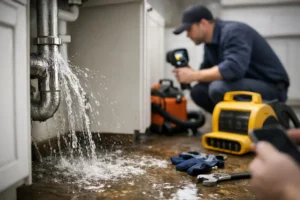
A sewage backup is not a regular water emergency. When wastewater flows backward into your property, it carries biological hazards that spread fast. Understanding the risks — and the right response — can protect both your health and your home.
- Why It's a Serious Emergency
- What Causes Sewage Backup
- Health Risks
- Exposure Symptoms
- Emergency Steps
- Why DIY Is Risky
- Professional Cleanup Process
- Preventing Future Backups
- FAQs
A sewage backup is one of those home emergencies people hope they never experience — and for good reason. Unlike a clean water leak, sewage contamination carries biological hazards that can affect both your property and your health. When wastewater flows backward into a basement, bathroom, laundry room, or commercial space, the problem moves beyond inconvenience and becomes a time-sensitive restoration emergency.
Across Toronto and the GTA, sewage backups continue to affect residential and commercial properties due to aging infrastructure, heavy seasonal rainfall, blocked sewer systems, and deteriorating underground connections. If you are dealing with this situation now — or simply want to be prepared — understanding the real sewage backup health risks Toronto property owners face can help reduce long-term damage and protect everyone inside the building.
Why Sewage Backups Are a Serious Emergency
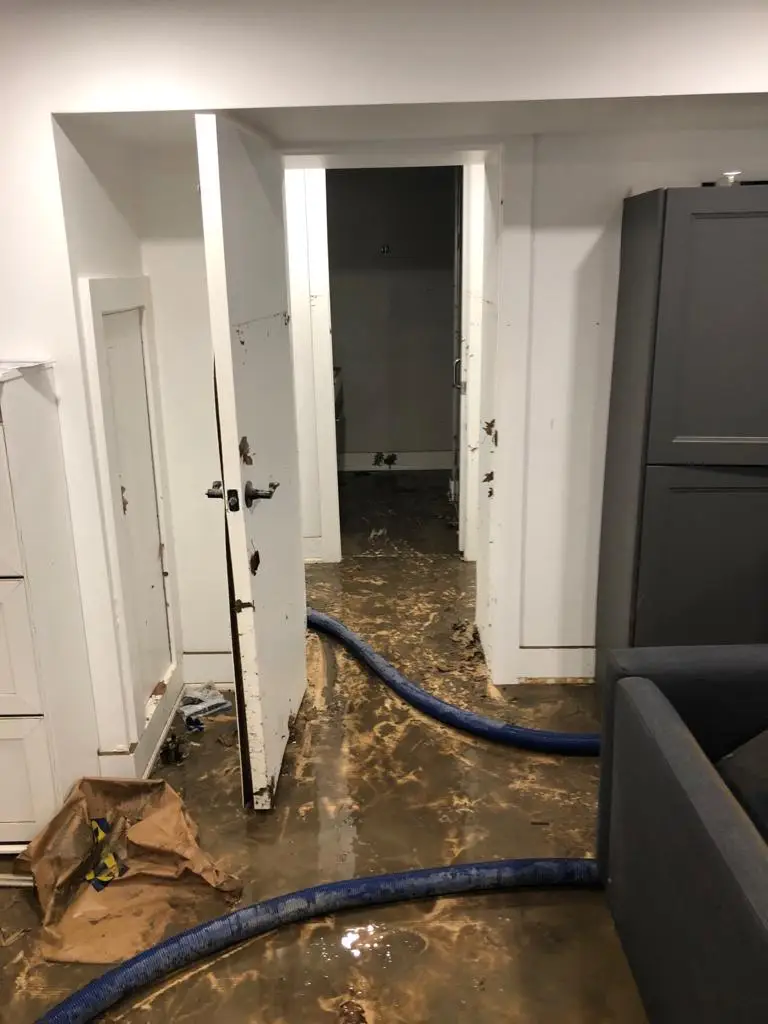
Many people initially treat sewage backup like a regular flooded basement. That assumption creates expensive — and potentially dangerous — mistakes. Raw sewage is not simply dirty water. It is biologically contaminated material that spreads through porous surfaces rapidly, making thorough cleanup far more complex than ordinary water removal.
Understanding Category 3 Water Damage
Category 3 contamination means exposure can occur through direct skin contact, airborne particles, accidental ingestion, contaminated surfaces touched after exposure, and mould growth if moisture remains untreated. Think of it like spilled ink on paper — once contamination penetrates flooring, drywall, insulation, and furniture, it cannot be removed with surface-level cleaning alone.
Why Toronto Properties Face Higher Risks
Toronto's sewer systems face compounding pressure from heavy rain events, older neighborhoods with aging infrastructure, tree root intrusion into clay pipes, combined sewer systems that carry both stormwater and sewage, and recurring basement flooding during severe weather. Industry reporting consistently identifies these factors as major contributors to Toronto's sewage backup frequency — particularly during spring storms and seasonal thaws.
What Causes Sewage Backup in Toronto Homes and Businesses
A sewage backup rarely happens without warning signs. Slow drains, gurgling sounds from pipes, and unpleasant odours often appear days or weeks before a full backup event. Understanding the causes helps homeowners and businesses recognize risk early and take preventive action.
Understanding Sewage Backup Health Risks Toronto Residents Should Know
Health exposure is where sewage becomes far more serious than ordinary water damage. The biological content of raw sewage creates hazards that extend well beyond the immediate area of contamination — through airborne particles, surface transfer, and moisture-driven mould growth that can begin within 24 to 48 hours.
Exposure to Harmful Bacteria and Viruses
Raw sewage may contain a range of organisms associated with serious illness. These pathogens are consistently identified as major concerns during professional sewage remediation:
| Potential Contaminant | Possible Health Effects |
|---|---|
| E. coli | Digestive illness, abdominal cramping, nausea |
| Salmonella | Gastrointestinal symptoms, fever, dehydration |
| Hepatitis A | Liver infection, fatigue, jaundice |
| Giardia | Digestive complications, chronic illness if untreated |
| Norovirus | Vomiting, diarrhea, rapid dehydration |
Air Quality and Toxic Gas Concerns
Standing sewage releases gases that can accumulate indoors and create health hazards even without direct contact with contaminated material. These gases dissipate slowly in enclosed spaces like basements with limited ventilation.
- Methane — flammable and displaces oxygen
- Hydrogen sulfide — toxic even at low concentrations
- Ammonia — respiratory irritant
- Headaches and dizziness from exposure
- Nausea and respiratory discomfort
- Increased risk in low-ventilation spaces
Mould Growth After Sewage Events
Moisture and organic waste from sewage create near-ideal conditions for rapid mould development. Unlike clean water events where mould risk begins within 24–48 hours, sewage events accelerate this timeline because they provide both moisture and organic material simultaneously. Mould growth inside wall cavities, under flooring, and in insulation may begin before visible contamination is even fully addressed.
Sewage Backup in Your GTA Property?
Category 3 contamination requires immediate professional response. Restoration Canada dispatches certified technicians within 60 minutes — 24/7.
Common Sewage Exposure Symptoms
Recognizing exposure symptoms quickly is important — particularly for children, elderly individuals, and anyone with compromised immune systems, who face higher risk from sewage contamination. Symptoms can appear within hours of exposure or develop over several days.
- Nausea and vomiting
- Skin irritation or rash on contact areas
- Eye, nose, or throat irritation
- Headaches from gas exposure
- Dizziness in enclosed spaces
- Abdominal cramping
- Gastrointestinal illness developing over 1–3 days
- Fever from bacterial infection
- Respiratory symptoms from mould exposure
- Jaundice from Hepatitis A
- Chronic digestive issues from Giardia
- Fatigue and weakness
Emergency Sewage Cleanup GTA: What To Do Immediately
The actions taken in the first minutes after discovering a sewage backup significantly affect both health outcomes and the total restoration cost. Follow these steps in strict order — and do not re-enter contaminated areas without proper protection.
Do not walk through sewage or attempt to assess the damage from within the affected area. Vacate the space and restrict access — particularly for children and pets. Sewage contamination spreads through foot traffic faster than most people expect.
Do not use any plumbing fixtures — sinks, toilets, showers, or appliances — until the backup is resolved. Using water during an active backup pushes additional sewage into the affected area and can cause contamination to spread to previously unaffected drains.
Sewage cleanup requires certified technicians with proper protective equipment, containment protocols, and professional-grade sanitization. Contact a restoration company before attempting any cleanup yourself. The longer Category 3 contamination remains in a property, the more materials require replacement rather than treatment.
From a safe, uncontaminated location, photograph and video all visible damage and affected areas. Contact your insurance provider immediately to report the event — and confirm whether your policy includes sewer backup coverage, as this is often a separate endorsement from standard home insurance.
Why DIY Sewer Backup Cleanup Toronto Is Risky
The instinct to begin cleanup immediately is understandable — but sewage events are not suitable for DIY response without professional equipment and training. Attempting to clean sewage contamination without proper protocols consistently worsens outcomes.
- Standard protective gear (gloves, boots) does not provide adequate protection against airborne pathogens and gas exposure
- Consumer cleaning products cannot achieve the disinfection levels required for Category 3 contamination
- Disturbing sewage without containment spreads contamination to previously unaffected areas of the property
- Hidden contamination inside walls, under flooring, and in insulation is missed without professional moisture detection equipment
- Incomplete sanitization creates recurring health risks and accelerates mould development in hidden cavities
- Insurance claims may be affected if evidence of improper DIY cleanup exists at the time of adjuster inspection
Professional Sewer Backup Cleanup Toronto Process
Professional sewage remediation follows a structured sequence designed to eliminate contamination completely, protect unaffected areas, verify complete removal, and prevent secondary mould development before any reconstruction begins.
Inspection and Containment
Sanitization and Structural Drying
How to Prevent Future Sewage Backups
Prevention is always less expensive and less disruptive than emergency cleanup. Toronto homeowners and businesses can significantly reduce sewage backup risk through a combination of infrastructure upgrades and routine maintenance habits.
- Install a backwater valve — prevents municipal sewer pressure from pushing sewage backward into your property during heavy rain events
- Never pour cooking grease down the drain — even small amounts accumulate into significant blockages over time
- Only flush toilet paper — wipes, paper towels, and hygiene products labeled "flushable" frequently cause blockages in residential lines
- Have older sewer lines inspected with a camera every 3–5 years — identifies root intrusion and pipe damage before backup occurs
- Keep floor drains clear and test backwater valves annually before storm season
- Know the location of your main cleanout access and the municipal sewer shutoff for your property
Conclusion
A sewage backup is not a situation where waiting to see what happens is a safe option. Category 3 contamination spreads rapidly, health risks are real, and the window for limiting damage closes quickly. Understanding the sewage backup health risks Toronto property owners face — and responding with professional emergency cleanup rather than DIY attempts — is the most effective way to protect both your health and your property.
The most important actions after discovering a sewage backup are to leave the area immediately, stop all water usage, contact professional restoration, and document everything for insurance. Every step taken in the right order reduces total damage, total cost, and total health exposure.
Sewage Backup Requires Immediate Response
Category 3 contamination spreads every hour without professional intervention. Restoration Canada responds within 60 minutes across the GTA — certified technicians, proper equipment, complete remediation.
(416) 639-172224/7 emergency response · GTA-wide · 60-minute dispatch
Frequently Asked Questions
Yes. Sewage is classified as Category 3 black water — the highest contamination level in restoration standards. It can contain harmful bacteria including E. coli and Salmonella, viruses such as Hepatitis A and Norovirus, and toxic gases including hydrogen sulfide and methane. Exposure through skin contact, inhalation, or touching contaminated surfaces poses real and serious health risks.
DIY cleanup is not recommended for sewage events. Without proper protective equipment, containment protocols, professional-grade disinfection, and moisture detection tools, contamination typically spreads further during amateur cleanup attempts. Hidden contamination inside walls and under flooring is also missed without professional equipment, leading to mould growth and recurring health risks.
Mould can begin developing within 24 to 48 hours after a sewage event — and often faster than after clean water events because sewage provides both moisture and organic material simultaneously. Enclosed basement spaces with limited airflow are particularly vulnerable. Professional drying and sanitization within the first 24 hours significantly reduces mould risk.
Only if a sewer backup endorsement was added to the policy before the event occurred. Standard Ontario home insurance policies frequently exclude sewer-related damage entirely without this specific add-on. Review your policy immediately after purchasing a home and confirm with your broker whether sewer backup coverage is active.
Common warning signs include slow-draining fixtures throughout the property, gurgling or bubbling sounds from drains and toilets, sewage odours inside the home or building, water backing up from floor drains or toilets during heavy rain, and multiple fixtures behaving unusually at the same time. These signs warrant immediate inspection before a full backup event develops.