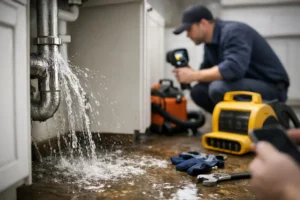

What to Do If Your
Toronto Apartment Floods
(Tenant's Guide)
One minute everything looks normal. The next, water is spreading across the floor and you are trying to figure out whether to call your landlord, your insurance, or emergency services first. This guide gives you the exact steps — and your rights.
- Why Apartment Flooding Happens
- Immediate Steps
- Tenant Rights in Ontario
- Renter Insurance Coverage
- Managing Repairs
- Preventing Disputes
- When to Escalate
- FAQs
For tenants in Toronto, apartment flooding creates more than property damage. It raises urgent questions: Who pays? Can you stay in the unit? Does rent still apply? What are your legal rights? And what exactly is your landlord responsible for?
This apartment flooding Toronto tenant guide walks through the practical and legal steps tenants should take after discovering water damage in a rental unit — from the first minute of discovery through restoration and beyond.
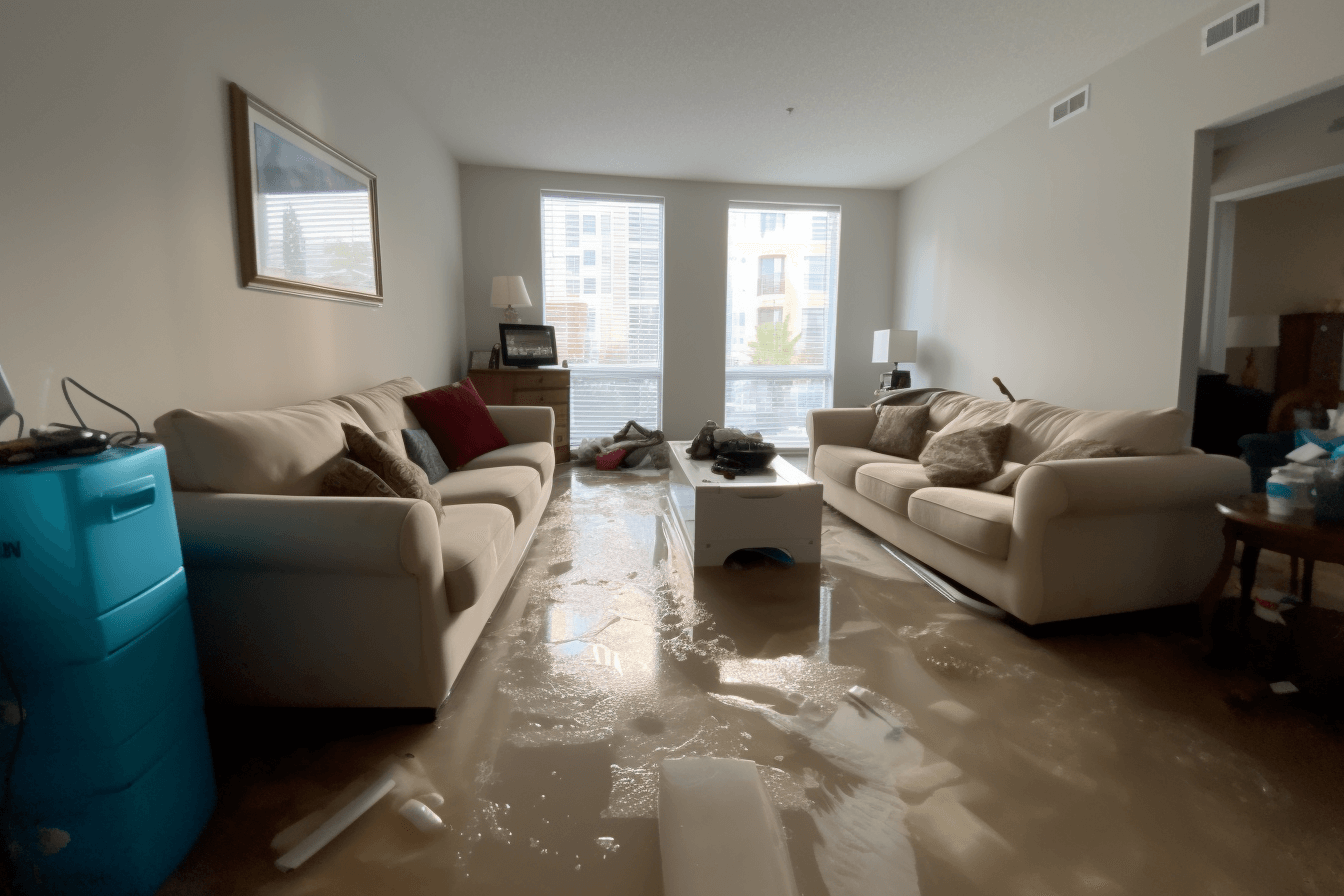
Why Apartment Flooding Happens in Toronto
Flooding inside apartment buildings happens more often than many renters expect. Toronto's combination of aging building stock, dense urban infrastructure, and increasingly intense weather creates frequent opportunities for water intrusion — from multiple directions at once.
Common Causes of Apartment Flooding
Why Apartments Can Experience Hidden Water Damage
One of the most frustrating aspects of apartment water damage is that the visible water is often only part of the problem. Moisture can remain behind walls, under flooring, and inside ceilings long after surfaces appear completely dry. That hidden moisture extends repair timelines, increases restoration costs, and — if left unaddressed — creates conditions for mould growth within 24 to 48 hours.
Immediate Steps to Take After Discovering Flooding
The actions you take in the first 30–60 minutes after discovering apartment flooding significantly affect both the extent of physical damage and your position in any insurance or landlord dispute. Follow these steps in order.
Water and electricity are a dangerous combination. If water is approaching outlets, electrical panels, extension cords, or appliances, avoid entering affected areas. If there is severe flooding or structural concerns, leave the unit immediately and contact building management or emergency services.
If the source is accessible and safe — a running faucet, a nearby appliance valve, a disconnected hose — shut it off. Do not attempt repairs that could create additional damage or require entering unsafe areas. Report active leaks from building systems to building management immediately.
Send written notice — email or building management portal — including the time flooding started, photos and video, suspected source, and immediate safety concerns. Ontario repair obligations and timelines often depend on documented notice records. Written notification protects your rights.
Your camera becomes your most important tool. Capture wide room photos, close-up damage shots, ceiling stains, wet belongings, visible water depth, and any contractor visits. Keep receipts for emergency purchases and accommodation costs. Document within the first 24–48 hours while conditions are unaltered.
Toronto Apartment Flooded?
Professional restoration starts the moment you call — water extraction, structural drying, and documentation support available 24/7 across the GTA.
Understanding Tenant Rights in Ontario
One of the biggest misconceptions among renters is believing landlords only need to fix issues they personally caused. Ontario's Residential Tenancies framework is broader than that — and understanding it protects you.
Landlord Responsibility in Flood Situations
Ontario landlords are generally required to maintain rental units in a good state of repair and fit for habitation. That obligation typically exists regardless of whether deterioration existed before move-in or who caused the problem. In practical terms, landlord responsibility flood situations means landlords are generally expected to arrange investigation, coordinate repairs, maintain habitability standards, and restore essential services where required.
- Arrange timely investigation of the flood source and extent of damage
- Coordinate and oversee necessary repair and restoration work
- Maintain the unit's habitability — or arrange alternative accommodation if it cannot be occupied
- Restore essential services affected by the flooding event
- Respond to documented maintenance notices within a reasonable timeframe
When a Rental Unit Becomes Uninhabitable
Sometimes flood repairs are minor and the unit remains safe to occupy throughout. Other times, flooding means the apartment cannot safely be occupied during restoration. Examples of conditions that may make a unit uninhabitable include:
Can You Stop Paying Rent?
This question comes up immediately after displacement — and the answer is more complicated than many tenants expect. Do not assume that leaving the unit automatically cancels rent obligations. Whether rent can be reduced or abated depends on circumstances, written agreements, insurance arrangements, habitability assessment, and formal legal processes.
What Tenant Insurance Typically Covers
Many tenants only discover the importance of renter flood damage Toronto insurance coverage after a flood occurs — when it is already too late to add it. If you have tenant insurance, contact your provider and open a claim immediately after the event is documented.
| Coverage Area | Typically Covered? |
|---|---|
| Personal belongings and contents | ✓ Yes |
| Temporary hotel or rental accommodation | Often |
| Additional living expenses during displacement | Often |
| Personal liability for damage to other units | Often |
| Structural repairs to the unit | 🏢 Landlord |
| Building systems and plumbing | 🏢 Landlord |
Managing Repairs and Restoration
Flood restoration in an apartment is rarely completed in one day. Depending on severity, you may encounter multiple phases of work happening in your unit over days or weeks. Understanding what to expect reduces anxiety and helps you plan around the restoration schedule.
Drying and Remediation Timelines
- Emergency water extraction — typically same day
- Industrial drying equipment setup and operation — 3 to 5 days typically
- Moisture testing and verification — ongoing throughout drying
- Flooring removal if moisture is trapped beneath
- Wall opening to access and dry hidden cavities
- Mould treatment if moisture remained for extended period
- Reconstruction and restoration of removed materials
Access Requirements for Contractors
You may need to provide reasonable access to your unit for emergency repairs and restoration work. Ontario tenancy rules generally allow landlords to access rental units with appropriate notice for necessary maintenance — and in genuine emergencies, access may be immediate. Keep a log of every contractor visit, including date, time, work performed, and any conditions observed.
Preventing Disputes With Your Landlord
Flood stress can turn communication emotional quickly. Landlords and tenants frequently disagree about timelines, responsibilities, and costs — and those disagreements become harder to resolve when communication has been verbal and undocumented. A practical approach from the first hour prevents most disputes from escalating.
Communication Best Practices
Keeping Records and Receipts
Think of your documentation as building a timeline rather than building a case. The goal is factual clarity — not confrontation. Tenants who maintain organized, complete records throughout a flood event consistently experience faster resolutions because there is no dispute about what happened, when it happened, and what was promised in response.
When to Escalate the Situation
Most apartment flood situations are resolved through direct communication between tenant and landlord. When they are not — when repairs stall, habitability concerns remain unresolved, or commitments go unfulfilled — tenants in Ontario have formal channels available to them.
- Request written repair timelines and updates if verbal commitments are not being met
- Track all missed commitments with dates and document the pattern in writing
- Preserve all evidence — photographs, messages, receipts — in organized files
- Contact your insurer if additional living expense claims are being delayed
- Explore formal Ontario tenant channels when direct communication fails to produce results
Ontario tenants remain protected under provincial tenancy rules — landlords cannot remove tenants outside proper legal processes regardless of the circumstances of a flood event.
Conclusion
Apartment flooding can feel chaotic, but your first decisions matter more than perfect decisions. Prioritize safety. Notify your landlord in writing immediately. Document every detail before cleanup begins. Contact your insurance provider early. Keep records organized throughout the entire process.
Understanding your tenant rights flooded apartment Ontario situations often depend on evidence, timelines, and habitability — not assumptions. Water damage is disruptive, but with a clear process and fast professional action, tenants can reduce stress, protect their belongings, and protect their rights throughout the recovery.
Apartment Flooding Moves Fast — Act Now
The faster water extraction and drying begin, the better the chances of reducing damage, protecting your belongings, and returning to normal. Call for immediate emergency response across the GTA.
(416) 639-172224/7 emergency response · Toronto and GTA-wide · 60-minute dispatch
Frequently Asked Questions
Ensure personal safety first — do not enter areas with electrical hazards. Stop the water source if it is safe to do so. Notify your landlord immediately in writing with photos and a description of conditions. Document all damage before any cleanup begins. Contact your insurance provider and a professional restoration company as quickly as possible.
Ontario landlords generally have an obligation to maintain rental units in a good state of repair and fit for habitation. This typically applies regardless of the original cause of the flooding. Landlords are generally expected to investigate, coordinate repairs, and maintain or restore habitability — though the specific responsibilities can depend on the source of the water and the governing tenancy agreement.
Many tenant insurance policies cover personal belongings, temporary accommodation, and additional living expenses after a flood — but coverage varies significantly by provider and policy wording. Review your policy, open a claim immediately after documenting damage, and ask specifically about temporary living expense coverage and inventory submission deadlines.
That depends on the severity of the damage, safety conditions, and what restoration work is required. Minor flooding with no structural, electrical, or mould concerns may allow continued occupancy. Significant damage involving hazardous conditions, extensive demolition, or loss of essential services may require temporary displacement during the restoration period.
Maintain timestamped photographs and video of all damage, every written communication with your landlord, receipts for emergency hotel stays and purchases, a dated log of all contractor visits and work performed, insurance claim documents, and a written timeline of the event from discovery through resolution. These records are your primary protection if any dispute arises.