

Is Mould Covered by
Home Insurance
in Ontario?
Discovering mould in your home immediately raises one question: will insurance pay for it? In Ontario, the answer depends entirely on what caused the mould — not the mould itself. Here is everything you need to know in 2026.
- How Coverage Works
- Covered or Not?
- Common Causes
- What Insurers Look For
- How to File a Claim
- Coverage Limits & Add-ons
- Remediation Process
- Reduce Claim Denial Risk
- FAQs
Discovering mould inside your home feels a little like finding a crack in your phone screen — you know there's a visible problem, but you also immediately wonder how much it is going to cost to fix. For homeowners across Ontario, that concern usually leads to one big question: is mould covered by home insurance Ontario?
The answer is not a simple yes or no. In 2026, most home insurance policies in Ontario still treat mould as a secondary form of damage rather than a standalone event. That means insurance companies usually care less about the mould itself and much more about what caused it. Understanding this distinction can save thousands of dollars and prevent delays during restoration.
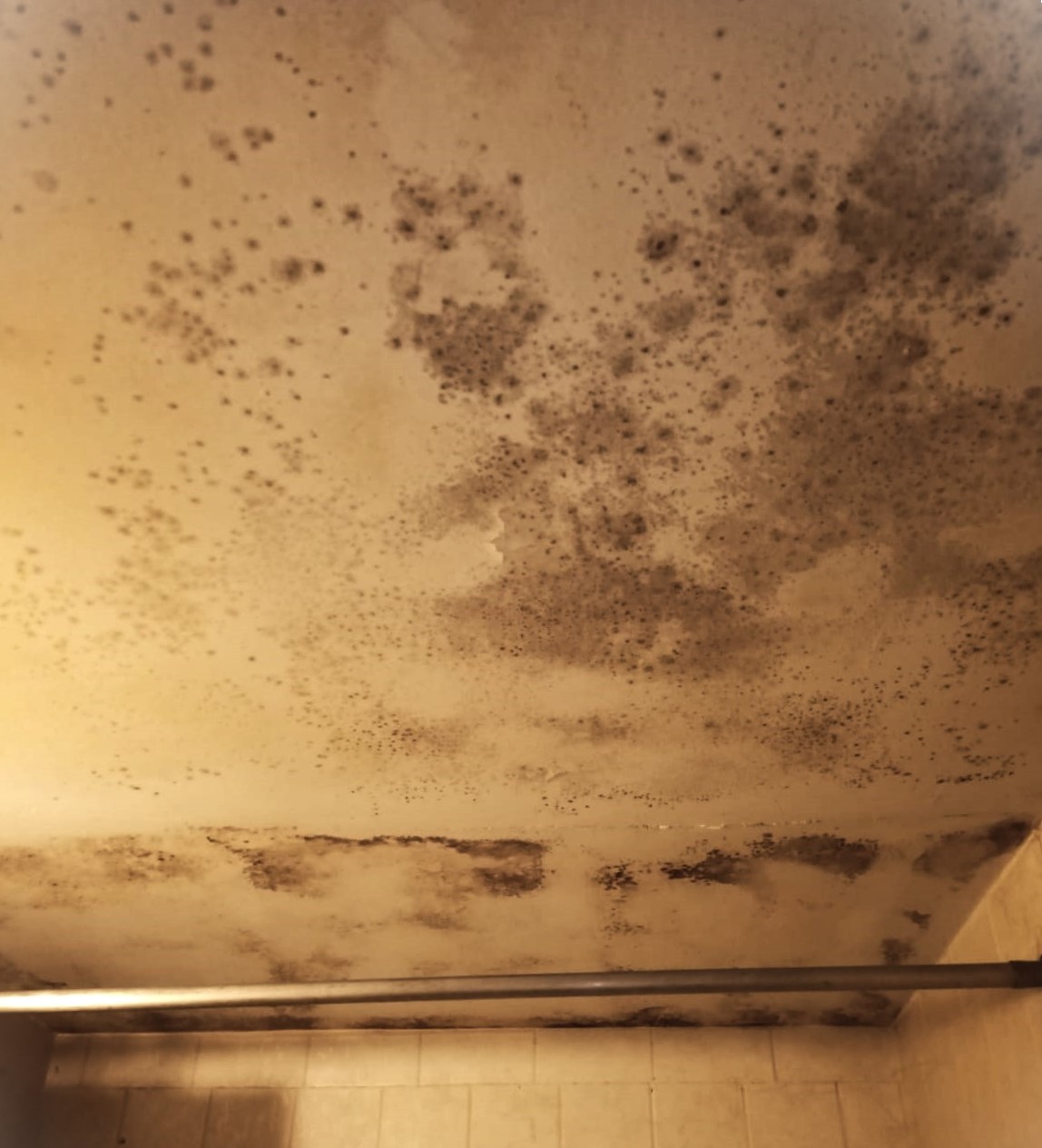
Understanding How Mould Coverage Works in Ontario
Insurance exists to protect homeowners from unexpected events — not conditions that gradually develop over time. That distinction becomes critically important with mould because mould rarely appears overnight. It forms when moisture remains trapped long enough for spores to colonize drywall, flooring, insulation, or ceiling materials.
Insurance adjusters handling mold insurance claims Toronto generally evaluate three core questions before approving any mould-related coverage:
Why Homeowners Get Confused About Mould Claims
Many people assume that because water damage is insured, mould automatically follows. That assumption creates disappointment. A dishwasher hose that bursts and floods a kitchen is a very different insurance scenario from a small leak under the sink that continues unnoticed for eight months and eventually spreads mould inside cabinets and walls. The first may be covered — the second is often classified as preventable maintenance-related damage.
The Difference Between Water Damage and Mould Damage
Water damage and mould damage are connected, but insurers often evaluate them separately. The table below summarizes how Ontario home insurance companies typically approach common moisture scenarios.
| Moisture Source | Typically Covered? | Notes |
|---|---|---|
| Burst pipe | ✓ Often Yes | Sudden accidental event — strong coverage case |
| Appliance overflow | ✓ Often Yes | Subject to policy terms and quick reporting |
| Sewer backup | ~ Sometimes | Requires sewer backup endorsement added before loss |
| Slow or hidden leak | ✕ Usually No | Often classified as preventable maintenance failure |
| Humidity & condensation | ✕ Usually No | Considered a ventilation maintenance issue |
| Foundation seepage | ✕ Usually No | Commonly excluded from standard Ontario policies |
The Short Answer — Is Mould Covered by Home Insurance Ontario?
In most cases, mould is covered only when it results directly from a covered water event. The mould itself is not the insured loss — the qualifying event that caused moisture is. Many policies also include specific mould sub-limits, meaning payment may not match the full remediation cost even when coverage applies. Some Ontario policies cap mould remediation between $1,000 and $10,000 regardless of broader property coverage limits.
- Frozen or burst pipe water damage
- Sudden accidental plumbing failure
- Water used to extinguish a fire
- Covered storm-related water intrusion
- Sewer backup (if endorsement exists)
- Long-term roof or plumbing leaks
- Bathroom condensation and humidity
- Poor home ventilation
- Deferred maintenance situations
- Hidden moisture ignored over time
Common Causes of Mould in Ontario Homes
Ontario's seasonal temperature swings — cold winters, humid summers, and dramatic freeze-thaw cycles — create ideal conditions for moisture problems. Understanding which causes are most likely to qualify for insurance coverage helps homeowners respond more effectively when mould is discovered.
Not Sure If Your Mould Is Covered?
A professional assessment identifies the moisture source, documents the damage, and helps establish whether your situation may qualify under your current policy.
What Ontario Insurance Companies Typically Look For
Insurance adjusters investigate evidence — not assumptions. When a home insurance mould GTA claim is filed, adjusters are specifically trained to evaluate three areas that determine whether a claim will be approved, reduced, or denied.
Cause of Loss
The original source of moisture is the single most important factor in any mould-related insurance evaluation. Adjusters trace water migration patterns back to the originating event. If the source was sudden and covered, the path toward compensation is clearer. If the source was gradual, recurring, or related to deferred maintenance, claims face significant challenges.
Timeline of Discovery
Reporting quickly strengthens a claim. Insurers look at when the event occurred, when it was discovered, and how promptly the homeowner reported it and began mitigation. Delays between discovery and reporting can raise questions about whether reasonable steps were taken to prevent further damage.
Documentation Requirements
Professional restoration documentation can significantly support claim evaluation. Helpful evidence includes photos and video of affected areas, moisture readings from professional equipment, restoration reports and mitigation records, emergency response invoices, and a clear timeline of events from the original incident to discovery and reporting.
How to File a Mold Insurance Claim Toronto Homeowners Can Support
If you discover mould in your home, the steps you take in the first few hours significantly affect both your coverage eligibility and the final outcome of the claim. Here is the correct sequence.
Shut off the water supply if a plumbing event is suspected. Contain the affected area to prevent mould spores from spreading to unaffected rooms. Do not begin major cleanup before documenting.
Photograph all affected surfaces, water levels, damaged materials, and the suspected source. Take wide-angle and close-up shots. Record moisture readings if equipment is available. This evidence becomes your primary claim support.
Open the claim as soon as possible and ask specifically: Is mould remediation included in my policy? Are there sub-limits for mould? Does my deductible apply separately? What documentation does the adjuster require? Delays in reporting may weaken eligibility.
Certified restoration companies provide the moisture mapping reports, drying documentation, and remediation assessments that insurance adjusters require. Professional involvement also demonstrates that appropriate mitigation steps were taken promptly.
Understanding Coverage Limits and Endorsements
Many Ontario homeowners focus on premium price but overlook optional endorsements that significantly expand protection. Standard policies rarely provide comprehensive mould coverage on their own — the real protection lies in the add-ons.
Standard Coverage vs Optional Add-ons
A standard Ontario home insurance policy typically covers sudden accidental damage from specified perils. Mould that results from these covered events may qualify. Optional endorsements expand protection into scenarios that standard policies exclude.
Mould Remediation and Restoration Process
When professional insurance mould remediation becomes necessary, the process follows a structured sequence designed to eliminate contamination completely, document progress for the insurer, and verify that conditions are safe before reconstruction begins.
Inspection and Moisture Detection
Thermal imaging cameras and professional moisture meters locate all water migration patterns — including hidden moisture inside walls and under flooring that is invisible from the surface. This inspection generates the documentation adjusters need to evaluate the scope of loss.
Containment and Removal
Affected areas are isolated using plastic barriers and negative air pressure to prevent spore migration into unaffected rooms. Contaminated materials — drywall, insulation, flooring — are removed and disposed of properly. HEPA air filtration runs continuously throughout the work zone.
Cleaning, Drying, and Rebuilding
Remaining surfaces are treated with professional antimicrobial solutions. Industrial drying equipment eliminates residual moisture to verified levels before any reconstruction begins — preventing mould from returning after repairs are completed.
How to Reduce the Chances of a Denied Claim
Small consistent habits protect both your home and your insurance eligibility. Think of insurance like a seatbelt — it helps most when everything else has been maintained properly beforehand. Homeowners who follow these practices face fewer claim complications when mould events do occur.
- Inspect plumbing connections, supply lines, and appliance hoses at least once per year
- Keep basement humidity levels controlled with dehumidifiers during humid months
- Repair any visible leaks or drips immediately — never defer minor plumbing issues
- Save receipts and records of all home maintenance and repairs as ongoing documentation
- Review your insurance endorsements annually and add sewer backup and overland coverage if absent
- Report any water damage or suspected mould to your insurer promptly — never wait to see if it resolves
Conclusion
For Ontario homeowners in 2026, the question is rarely whether mould exists — it is whether the event that caused it qualifies for coverage. Most policies do not automatically insure mould. Coverage usually depends on whether the mould resulted from a sudden, accidental, insured water event and whether the homeowner acted quickly and documented the situation thoroughly.
Reading policy details, understanding endorsements, and engaging professional restoration documentation early can make the difference between a fully covered restoration and a significant out-of-pocket expense. If mould has been discovered in your home, early professional assessment is both the safest and most financially sound first step.
Not Sure If Your Mould Qualifies for Coverage?
Book a free assessment to identify the moisture source, understand what remediation is needed, and determine whether your situation may align with your policy conditions — before larger damage and higher costs develop.
Frequently Asked Questions
Usually only if the mould resulted directly from a sudden, accidental, insured water event — such as a burst pipe or covered appliance failure. Mould that developed from gradual leaks, poor maintenance, or inadequate ventilation is commonly excluded from standard Ontario home insurance policies.
Yes. Long-term neglect and deferred maintenance are among the most common grounds for mould claim denial. Insurers expect homeowners to address minor leaks, maintain ventilation, and take reasonable steps to prevent moisture buildup. Documented maintenance history can support a claim when mould does occur.
Sometimes, if the testing supports an otherwise covered claim and the insurer approves it in advance. Confirm with your insurance provider before arranging independent mould testing, as costs may not be reimbursed without prior authorization.
Only if a sewer backup endorsement was active on your policy before the loss occurred. Standard Ontario home insurance policies commonly exclude sewer-related events entirely. This endorsement has become increasingly important for GTA homeowners given the frequency of storm-related backup events.
Potentially, depending on the policy endorsements in place and the original cause of the underlying moisture. Some Ontario insurers offer hidden water escape endorsements that may extend to resulting mould damage. Speak with your broker specifically about hidden damage coverage to understand what is and is not included.