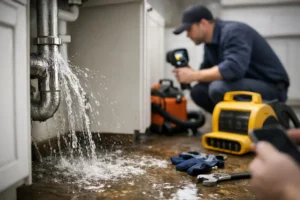

Signs of Hidden Water Damage
in Toronto Homes (And What to Do)
Most water damage begins quietly - a slow leak behind a wall, trapped moisture in a basement - long before you ever see a drop. Understanding the warning signs can save thousands in repairs.
Water damage rarely starts with a dramatic flood pouring through the ceiling. Most of the time, it begins quietly. A small leak behind a wall, a slow drip under a sink, or trapped moisture inside a basement can silently destroy parts of a home long before anyone notices. In a city like Toronto, where freezing winters, heavy rainfall, basement flooding, and aging plumbing systems are common, hidden water issues are becoming one of the biggest concerns for homeowners.
The tricky part? Hidden water damage often stays invisible until the repairs become expensive. By the time you see peeling paint or smell mould, moisture may already be spreading behind drywall, under flooring, or inside insulation. That is why understanding the signs of water damage Toronto homeowners should watch for can save thousands of dollars and protect both property value and indoor air quality.
Why Hidden Water Damage Is So Common in Toronto
Living in Toronto comes with many benefits, but homeowners also face unique challenges when it comes to moisture and flooding. The city experiences freezing winters, spring thaw cycles, intense summer storms, and aging infrastructure that can all contribute to hidden leaks and moisture buildup. Older homes throughout the GTA often have outdated plumbing systems, aging foundations, and insufficient waterproofing.
Toronto Climate and Flooding Risks
Heavy rainfall events are becoming more frequent across southern Ontario. Industry estimates showed insured losses from major Ontario flood events reaching nearly $900 million after severe flooding impacted the GTA. Combined with rising insurance costs and stricter claim policies, many homeowners are now realizing how important early detection really is.
Think of hidden water damage like rust inside a car engine. By the time you hear the strange noise, the issue has already been growing quietly for a long time. Early detection is everything.
Older Plumbing Systems in GTA Homes
One of the biggest reasons water damage becomes hidden is because modern homes conceal systems behind walls and under floors. Pipes run through drywall cavities, insulation traps moisture, and finished basements can hide leaks for months. Homeowners may only notice something is wrong once mould starts spreading or structural materials begin deteriorating.
The Most Common Signs of Hidden Water Damage
Many homeowners overlook early warning signs because they seem harmless or cosmetic. A faint smell, a tiny stain, or slightly warped flooring might not appear urgent at first. But these symptoms are usually your home warning you that moisture is trapped somewhere it should not be.
Musty Odours
Persistent damp smells even after cleaning indicate moisture hiding behind walls or under flooring, often pointing to mould growth.
Peeling Paint and Bubbling Walls
Water weakens adhesives and paint layers, causing surfaces to blister or separate over time.
Warped Flooring
Hardwood may cup or warp, laminate swells at the seams, and tiles loosen due to trapped moisture underneath.
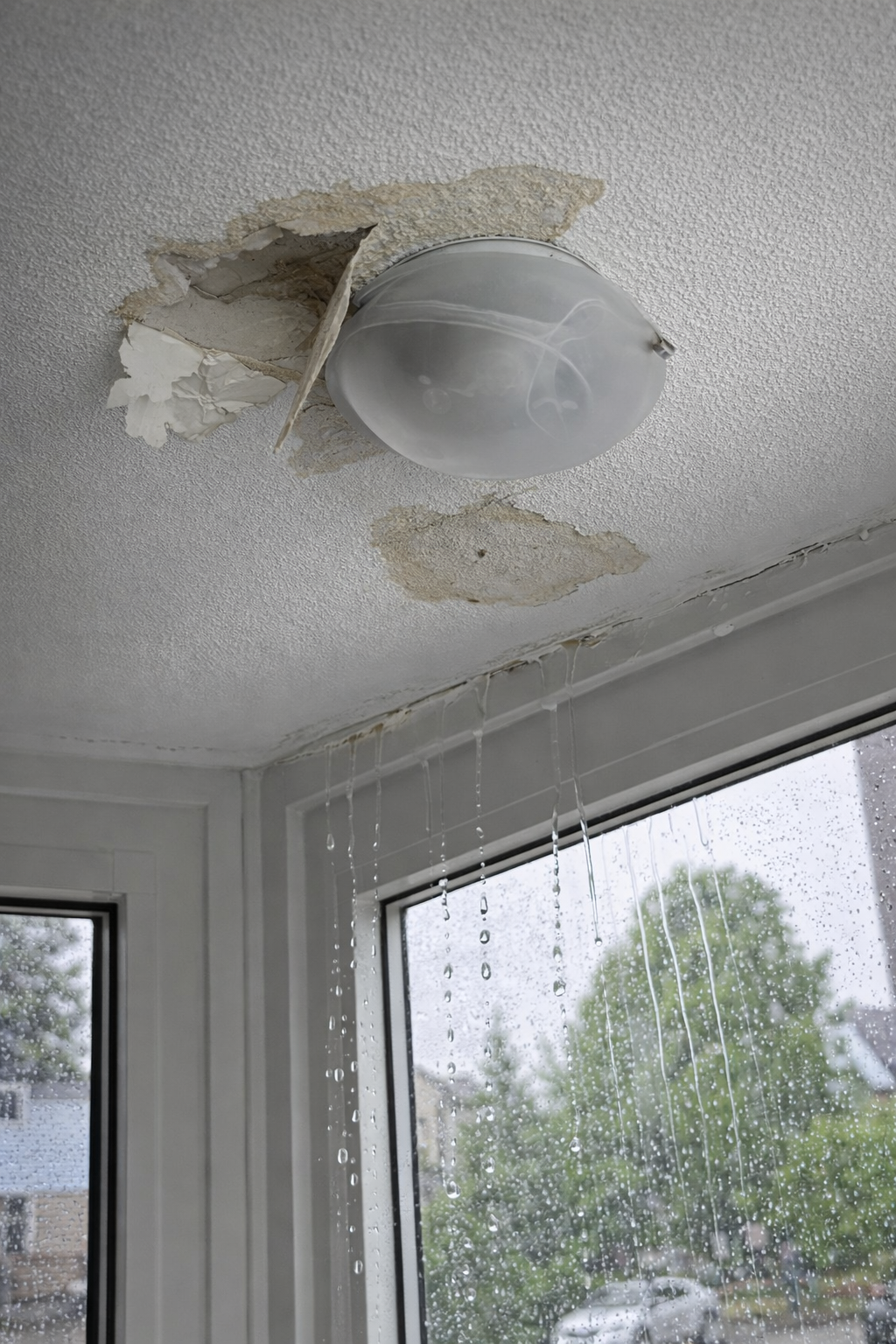
Ceiling Discoloration
Brown or yellow stains on ceilings after storms or plumbing leaks signal water intrusion coming from above.
Unexpected Water Bill Increases
A sudden spike with no change in daily habits may indicate a concealed plumbing leak behind walls or under floors.
Persistent Indoor Humidity
Rooms that constantly feel damp suggest ongoing moisture intrusion, especially common in Toronto during winter thaw cycles.
Hidden Water Damage Walls Toronto Homeowners Often Miss
When people think about water damage, they usually picture flooded basements or dripping ceilings. But some of the most dangerous problems happen entirely out of sight. Hidden water damage walls Toronto homeowners deal with every year often starts with tiny leaks that stay trapped inside drywall cavities for months.
Moisture Behind Drywall
Drywall acts almost like a sponge. Once moisture enters the wall cavity, insulation absorbs it and holds it in place. This creates the perfect environment for mould growth, wood rot, and bacterial contamination. Because the surface may still look normal, homeowners often fail to realize anything is wrong until the damage becomes severe.
Mould Growth Inside Walls
You might notice subtle texture changes on walls. Paint may feel soft, wallpaper can loosen at the edges, or drywall may feel slightly spongy when pressed. Small cracks near baseboards or corners can also indicate moisture expansion behind the surface.
Critical Timeframe: Mould colonies can begin forming within 24 to 48 hours after moisture exposure. If you notice any signs of wall moisture, professional inspection should not be delayed.
Condensation Around Windows
Condensation is a major issue in Toronto homes, especially during winter. When warm indoor air meets cold exterior walls or windows, moisture forms and can seep into surrounding materials. Over time, this repeated cycle causes drywall deterioration and mould growth.
Professional Mould Removal Services - Toronto and GTA Proper remediation prevents mould spores from spreading through your ventilation systemBasement Water Damage Warning Signs
Basements are one of the most vulnerable areas in Toronto homes because they sit below ground level where hydrostatic pressure naturally pushes moisture against the foundation. Add spring thawing, heavy rainstorms, and aging drainage systems into the mix, and it becomes clear why so many GTA homeowners struggle with basement leaks.
Efflorescence on Concrete Walls
This white, chalky substance forms on concrete walls when water evaporates and leaves behind mineral deposits. While many people mistake it for harmless dust, efflorescence is evidence that moisture is actively moving through the foundation.
Persistent Humidity
If your basement constantly feels damp or sticky even with ventilation, moisture intrusion is likely occurring somewhere behind finished walls or flooring. Carpeted basements can hide water damage particularly well - padding absorbs moisture and may stay wet for weeks before any stain or odour appears.
Sump Pump Problems
A failing sump pump during a storm can quickly turn a small moisture issue into a serious flood. Strange noises, inconsistent cycling, or standing water near the sump pit are all warning signs that should not be ignored.
Water Damage Restoration Services - Toronto and GTA Fast response is critical - contact a specialist before moisture spreads further into structural materialsProfessional Water Damage Detection GTA Services
Many homeowners attempt to identify leaks themselves, but hidden moisture often requires specialized equipment. Professional water damage detection GTA services use advanced tools to locate moisture inside walls, ceilings, and flooring without unnecessary demolition.
Thermal Imaging Technology
Thermal imaging cameras detect temperature differences caused by moisture accumulation. Wet areas often appear cooler than dry surfaces, allowing technicians to identify hidden leaks behind walls and under floors without cutting open drywall unnecessarily.
Moisture Meter Testing
Moisture meters measure water content inside building materials. Together with thermal imaging, these tools help restoration professionals pinpoint affected areas quickly and accurately - far more reliable than any DIY method.
Why DIY Detection Often Fails
DIY inspections can miss serious issues because water does not always travel in predictable ways. A ceiling stain may actually originate from a pipe several feet away, while basement moisture may enter through cracks hidden behind finished walls.
In some cases, homeowners notice allergy symptoms, headaches, or respiratory irritation before they ever see visible mould. Moisture detection is not just about protecting property - it is about maintaining a healthy living environment.
Suspect Hidden Water Damage?
Our certified technicians use thermal imaging and moisture meters to find hidden leaks without unnecessary demolition. Available 24/7 across Toronto and the GTA.
(416) 639-1722 - Call NowWhat To Do If You Discover Hidden Water Damage
Discovering hidden water damage can feel overwhelming. The good news is that acting quickly can dramatically reduce the severity of the damage and improve the chances of successful restoration.
Avoid cosmetic fixes: Do not paint over stains or cover damage temporarily. Hiding visible symptoms allows mould and structural deterioration to continue silently behind walls.
Preventing Future Water Damage in Toronto Homes
Preventing water damage is always cheaper and easier than repairing it later. Regular maintenance significantly lowers the risk of major problems. In Toronto homes, prevention starts with understanding where vulnerabilities exist.
- Inspect your roof after every winter Ice dams and freeze-thaw cycles can damage shingles and flashing. Clean gutters and extend downspouts away from the foundation.
- Check plumbing fixtures and appliance hoses regularly Inspect under-sink connections for moisture or corrosion. Replace aging washing machine hoses and monitor water pressure.
- Install smart leak detectors Place detectors near water heaters, laundry rooms, and sump pumps for early warning before small leaks become emergencies.
- Maintain proper ventilation throughout the home Keep indoor humidity between 30% and 50% to prevent mould growth and condensation problems year-round.
- Schedule annual professional inspections Foundation cracks, slow plumbing leaks, and hidden condensation issues are much easier to fix early, especially in older GTA homes.
Conclusion
Hidden water damage is one of the most expensive and frustrating problems homeowners face because it often develops quietly over time. In Toronto and the GTA, changing weather patterns, aging infrastructure, and basement flooding risks make early detection more important than ever. A musty smell, bubbling paint, warped flooring, or unexplained humidity may seem minor, but these signs often point to deeper moisture issues hiding behind walls or under floors.
The key is acting quickly. Ignoring early symptoms allows moisture to spread into drywall, insulation, framing, and flooring materials where mould and structural damage can develop rapidly. If you suspect hidden water damage, do not wait. Early intervention protects your property, your health, and your finances.
Contact Restoration Canada - Free Assessment Emergency restoration support across Toronto and the GTA, available 24/7 including weekends and holidaysFrequently Asked Questions
The earliest signs usually include musty smells, peeling paint, bubbling drywall, warped flooring, and unexplained humidity. Some homeowners also notice rising water bills caused by concealed plumbing leaks.
Yes. Water frequently becomes trapped behind drywall and insulation where it remains invisible for long periods. This hidden moisture can eventually cause mould growth, wood rot, and structural deterioration.
Restoration companies use thermal imaging cameras and moisture meters to locate hidden wet areas without unnecessary demolition.
Coverage depends on the cause of the damage and the specific policy. Sudden leaks are more likely to be covered than long-term neglected moisture problems. Always review your policy carefully.
Mould can begin growing within 24 to 48 hours after moisture exposure if affected materials are not properly dried and treated.