/* ============================================================ RESTORATION CANADA — GLOBAL BLOG STYLES Paste this once in Header Footer Code Manager → CSS snippet Covers: all RC blog posts (neighborhoods, insurance claim, etc.) ============================================================ *//* ── VARIABLES ── */ :root { --rc-navy: #0c2340; --rc-blue: #1e6fc4; --rc-dark-blue: #035488; --rc-red: #e53935; --rc-light: #F0F4F8; --rc-gray: #6B7280; --rc-border: #E2E8F0; --rc-white: #ffffff; --rc-green: #059669; }/* ── BLOG BASE ── */ .rc-blog { font-family: 'Barlow', sans-serif; color: #1a1a2e; font-size: 17px; line-height: 1.7; }/* ── HERO ── */ .rc-hero { background: var(--rc-navy); position: relative; overflow: hidden; padding: 80px 24px 60px; } .rc-hero::before { content: ''; position: absolute; inset: 0; background: radial-gradient(ellipse at 70% 50%, rgba(30,111,196,.25) 0%, transparent 65%); } .rc-hero-inner { max-width: 820px; margin: 0 auto; position: relative; z-index: 1; } .rc-hero-tag { display: inline-block; background: var(--rc-red); color: #fff; font-size: 11px; font-weight: 700; letter-spacing: 2px; text-transform: uppercase; padding: 5px 12px; border-radius: 3px; margin-bottom: 20px; } .rc-hero h1 { font-family: 'Barlow Condensed', sans-serif; font-size: clamp(36px, 6vw, 64px); font-weight: 800; color: #fff; line-height: 1.05; margin-bottom: 20px; letter-spacing: -.5px; } .rc-hero h1 em { color: #4fa3f7; font-style: normal; } .rc-hero-divider { width: 60px; height: 3px; background: linear-gradient(90deg, var(--rc-red), var(--rc-blue)); border-radius: 2px; margin: 24px 0; } .rc-hero-intro { font-size: 17px; color: rgba(255,255,255,.8); line-height: 1.7; max-width: 700px; } .rc-hero-meta { display: flex; align-items: center; gap: 20px; flex-wrap: wrap; margin-top: 24px; } .rc-hero-meta-item { font-size: 13px; color: rgba(255,255,255,.55); display: flex; align-items: center; gap: 6px; }/* ── PAGE WRAP ── */ .rc-page-wrap { max-width: 820px; margin: 0 auto; padding: 0 24px; display: flex; flex-direction: column; } .rc-article { min-width: 0; padding: 40px 0 56px; } .rc-sidebar { padding: 40px 0 0; }/* ── BLOG IMAGE ── */ .rc-blog-image-wrap { margin: 40px 0; border-radius: 12px; overflow: hidden; box-shadow: 0 4px 24px rgba(0,0,0,.12); } .rc-blog-image-wrap img { width: 100%; height: auto; display: block; max-height: 480px; object-fit: cover; } .rc-blog-image-caption { background: #F8FAFC; border-top: 1px solid var(--rc-border); padding: 10px 16px; font-size: 13px; color: var(--rc-gray); font-style: italic; }/* ── TABLE OF CONTENTS ── */ .rc-toc-card { background: var(--rc-light); border-radius: 12px; padding: 24px 28px; border-top: 4px solid var(--rc-blue); } .rc-toc-title { font-family: 'Barlow Condensed', sans-serif; font-size: 15px; font-weight: 700; color: var(--rc-navy); text-transform: uppercase; letter-spacing: 1px; margin-bottom: 16px; display: flex; align-items: center; gap: 8px; } .rc-toc-list { list-style: none; display: flex; flex-wrap: wrap; gap: 6px; padding: 0; } .rc-toc-list li a { font-size: 13px; color: var(--rc-navy); text-decoration: none; padding: 6px 14px; border-radius: 20px; display: block; line-height: 1.4; background: #fff; border: 1px solid var(--rc-border); transition: background .15s, color .15s, border-color .15s; } .rc-toc-list li a:hover { background: var(--rc-blue); color: #fff; border-color: var(--rc-blue); } .rc-toc-cta { margin-top: 16px; background: var(--rc-red); color: #fff; display: inline-block; text-align: center; padding: 10px 20px; border-radius: 7px; font-size: 14px; font-weight: 600; text-decoration: none; } .rc-toc-cta:hover { background: #c62828; color: #fff; }/* ── ARTICLE TYPOGRAPHY ── */ .rc-article h2 { font-family: 'Barlow Condensed', sans-serif; font-size: 32px; font-weight: 800; color: var(--rc-navy); line-height: 1.1; margin: 52px 0 16px; padding-bottom: 12px; border-bottom: 2px solid var(--rc-border); letter-spacing: -.3px; } .rc-article h3 { font-size: 20px; font-weight: 700; color: var(--rc-dark-blue); margin: 32px 0 12px; } .rc-article h4 { font-size: 17px; font-weight: 700; color: var(--rc-navy); margin: 24px 0 10px; } .rc-article p { margin-bottom: 18px; color: #374151; } .rc-article a { color: var(--rc-blue); text-decoration: underline; }/* ── HIGHLIGHT BOX ── */ .rc-highlight-box { background: linear-gradient(135deg, #EBF4FF, #DBEAFE); border: 1px solid #BFDBFE; border-radius: 10px; padding: 24px 28px; margin: 28px 0; display: flex; gap: 16px; } .rc-highlight-box-icon { font-size: 28px; flex-shrink: 0; line-height: 1; } .rc-highlight-box p { margin: 0; font-size: 15px; color: #1e3a5f; line-height: 1.65; } .rc-highlight-left { background: linear-gradient(135deg, #EBF4FF, #DBEAFE); border: 1px solid #BFDBFE; border-left: 4px solid var(--rc-blue); border-radius: 0 10px 10px 0; padding: 18px 22px; margin: 24px 0; font-size: 15px; color: #1e3a5f; line-height: 1.65; }/* ── NEIGHBORHOOD CARDS ── */ .rc-neighborhood-card { background: #fff; border: 1px solid var(--rc-border); border-radius: 12px; padding: 28px 28px 24px; margin: 32px 0; border-top: 4px solid var(--rc-blue); box-shadow: 0 2px 12px rgba(0,0,0,.06); } .rc-neighborhood-card.rc-red-top { border-top-color: var(--rc-red); } .rc-neighborhood-card.rc-amber-top { border-top-color: #D97706; } .rc-neighborhood-card.rc-green-top { border-top-color: #059669; } .rc-neighborhood-card.rc-purple-top { border-top-color: #7C3AED; } .rc-neighborhood-num { display: inline-flex; align-items: center; justify-content: center; width: 36px; height: 36px; border-radius: 50%; background: var(--rc-navy); color: #fff; font-family: 'Barlow Condensed', sans-serif; font-weight: 800; font-size: 18px; margin-bottom: 12px; } .rc-neighborhood-title { font-family: 'Barlow Condensed', sans-serif; font-size: 26px; font-weight: 800; color: var(--rc-navy); margin-bottom: 6px; letter-spacing: -.2px; } .rc-neighborhood-risk { display: inline-flex; align-items: center; gap: 6px; font-size: 12px; font-weight: 600; padding: 3px 10px; border-radius: 20px; margin-bottom: 16px; } .rc-risk-high { background: #FEE2E2; color: #991B1B; } .rc-risk-very-high { background: #FECACA; color: #7F1D1D; }/* ── TABLES ── */ .rc-table { width: 100%; border-collapse: collapse; margin: 24px 0; font-size: 15px; } .rc-table thead tr { background: var(--rc-navy); color: #fff; } .rc-table thead th { padding: 12px 16px; text-align: left; font-family: 'Barlow Condensed', sans-serif; font-weight: 700; letter-spacing: .5px; font-size: 14px; } .rc-table tbody tr { border-bottom: 1px solid var(--rc-border); } .rc-table tbody tr:nth-child(even) { background: #F8FAFC; } .rc-table tbody td { padding: 12px 16px; color: #374151; vertical-align: top; } .rc-table tbody td:first-child { font-weight: 600; color: var(--rc-navy); } .rc-table-red thead tr { background: #7F1D1D; } .rc-table-blue thead tr { background: var(--rc-dark-blue); } .rc-table-red tbody tr:nth-child(even) { background: #FFF5F5; } .rc-table-blue tbody tr:nth-child(even) { background: #F0F8FF; } .rc-table-red tbody td:first-child { color: #7F1D1D; }/* ── BADGES ── */ .rc-badge { display: inline-block; font-size: 11px; font-weight: 700; padding: 2px 8px; border-radius: 10px; } .rc-badge-green { background: #D1FAE5; color: #065F46; } .rc-badge-amber { background: #FEF3C7; color: #92400E; } .rc-badge-red { background: #FEE2E2; color: #991B1B; }/* ── WARNING / INFO TABLE ICON ── */ .rc-warn-icon { font-size: 16px; margin-right: 6px; }/* ── PREVENTION LIST ── */ .rc-prevent-list { list-style: none; display: flex; flex-direction: column; gap: 12px; margin: 20px 0; padding: 0; } .rc-prevent-list li { display: flex; gap: 14px; align-items: flex-start; padding: 16px; background: var(--rc-light); border-radius: 8px; } .rc-prevent-icon { width: 36px; height: 36px; border-radius: 8px; background: var(--rc-navy); color: #fff; display: flex; align-items: center; justify-content: center; font-size: 16px; flex-shrink: 0; } .rc-prevent-body strong { display: block; font-size: 15px; color: var(--rc-navy); margin-bottom: 3px; } .rc-prevent-body span { font-size: 14px; color: var(--rc-gray); line-height: 1.5; }/* ── CHECKLIST ── */ .rc-checklist { list-style: none; display: flex; flex-direction: column; gap: 8px; margin: 20px 0; padding: 0; } .rc-checklist li { display: flex; gap: 12px; align-items: flex-start; font-size: 15px; color: #374151; } .rc-checklist li::before { content: '✓'; width: 22px; height: 22px; background: var(--rc-blue); color: #fff; border-radius: 50%; display: flex; align-items: center; justify-content: center; font-size: 12px; font-weight: 700; flex-shrink: 0; margin-top: 1px; }/* ── ACTION STEPS ── */ .rc-action-steps { display: flex; flex-direction: column; gap: 0; margin: 24px 0; } .rc-action-step { display: flex; gap: 16px; padding: 16px 0; border-bottom: 1px solid var(--rc-border); } .rc-action-step:last-child { border-bottom: none; } .rc-action-num { width: 32px; height: 32px; border-radius: 50%; background: var(--rc-red); color: #fff; font-size: 14px; font-weight: 700; display: flex; align-items: center; justify-content: center; flex-shrink: 0; margin-top: 2px; } .rc-action-body strong { display: block; font-size: 16px; font-weight: 600; color: var(--rc-navy); margin-bottom: 3px; } .rc-action-body span { font-size: 14px; color: var(--rc-gray); line-height: 1.5; }/* ── REQUIREMENTS LIST ── */ .rc-req-list { list-style: none; display: flex; flex-direction: column; gap: 8px; margin: 16px 0 24px; padding: 0; } .rc-req-list li { display: flex; align-items: flex-start; gap: 11px; font-size: 15px; color: #374151; line-height: 1.55; } .rc-req-list li .rc-icon { width: 22px; height: 22px; border-radius: 50%; display: flex; align-items: center; justify-content: center; font-size: 11px; flex-shrink: 0; margin-top: 1px; } .rc-icon.rc-check { background: #D1FAE5; color: #065F46; font-weight: 700; } .rc-icon.rc-star { background: #FEF3C7; color: #92400E; } .rc-icon.rc-must { background: #FEE2E2; color: #991B1B; font-weight: 700; }/* ── DUTIES LIST ── */ .rc-duties-list { list-style: none; display: flex; flex-direction: column; gap: 0; margin: 16px 0 24px; padding: 0; border: 1px solid var(--rc-border); border-radius: 10px; overflow: hidden; } .rc-duties-list li { display: flex; align-items: flex-start; gap: 14px; padding: 13px 18px; border-bottom: 1px solid var(--rc-border); font-size: 15px; color: #374151; line-height: 1.5; transition: background .12s; } .rc-duties-list li:last-child { border-bottom: none; } .rc-duties-list li:hover { background: #F8FAFC; } .rc-duties-list li::before { content: ''; width: 6px; height: 6px; border-radius: 50%; background: var(--rc-blue); flex-shrink: 0; margin-top: 8px; }/* ── SERVICE LINK BOX ── */ .rc-service-link { display: flex; align-items: center; gap: 14px; background: var(--rc-light); border-radius: 8px; padding: 16px 18px; margin: 12px 0; text-decoration: none; border: 1px solid var(--rc-border); transition: border-color .2s, box-shadow .2s; } .rc-service-link:hover { border-color: var(--rc-blue); box-shadow: 0 3px 12px rgba(30,111,196,.15); } .rc-service-link-icon { width: 40px; height: 40px; border-radius: 8px; background: var(--rc-blue); color: #fff; display: flex; align-items: center; justify-content: center; flex-shrink: 0; font-size: 18px; } .rc-service-link-text strong { display: block; font-size: 15px; color: var(--rc-navy); } .rc-service-link-text span { font-size: 13px; color: var(--rc-gray); } .rc-service-link-arrow { margin-left: auto; color: var(--rc-blue); font-size: 18px; }/* ── SERVICES GRID ── */ .rc-services-grid { display: grid; grid-template-columns: 1fr 1fr; gap: 12px; margin: 20px 0; } .rc-service-item { background: var(--rc-light); border-radius: 8px; padding: 14px 16px; display: flex; align-items: center; gap: 10px; font-size: 14px; color: var(--rc-navy); font-weight: 500; border: 1px solid var(--rc-border); } .rc-service-item-icon { font-size: 20px; }/* ── BENEFITS STRIP ── */ .rc-benefits-strip { display: flex; gap: 10px; flex-wrap: wrap; margin: 16px 0 24px; } .rc-benefit-tag { display: inline-flex; align-items: center; gap: 7px; background: #F0FDF4; border: 1px solid #A7F3D0; color: #065F46; font-size: 13px; font-weight: 600; padding: 7px 14px; border-radius: 20px; }/* ── SCHEDULE GRID ── */ .rc-schedule-grid { display: grid; grid-template-columns: repeat(3, 1fr); gap: 10px; margin: 16px 0 24px; } .rc-schedule-item { background: var(--rc-light); border: 1px solid var(--rc-border); border-radius: 10px; padding: 14px 12px; text-align: center; } .rc-schedule-item .rc-s-icon { font-size: 22px; margin-bottom: 6px; } .rc-schedule-item .rc-s-label { font-size: 12px; font-weight: 600; color: var(--rc-navy); line-height: 1.3; }/* ── INLINE CTA ── */ .rc-inline-cta { background: var(--rc-navy); border-radius: 12px; padding: 32px; margin: 40px 0; text-align: center; position: relative; overflow: hidden; } .rc-inline-cta::before { content: ''; position: absolute; inset: 0; background: radial-gradient(ellipse at 70% 50%, rgba(30,111,196,.3) 0%, transparent 65%); pointer-events: none; } .rc-inline-cta h3 { font-family: 'Barlow Condensed', sans-serif; font-size: 28px; font-weight: 800; color: #fff; margin-bottom: 8px; position: relative; } .rc-inline-cta p { color: rgba(255,255,255,.7); font-size: 15px; margin-bottom: 20px; position: relative; } .rc-inline-cta-btns { display: flex; gap: 12px; justify-content: center; flex-wrap: wrap; position: relative; } .rc-cta-btn-red { background: var(--rc-red); color: #fff; text-decoration: none; font-size: 15px; font-weight: 700; padding: 13px 24px; border-radius: 6px; display: inline-block; transition: background .15s; } .rc-cta-btn-red:hover { background: #c62828; color: #fff; } .rc-cta-btn-outline { background: transparent; color: #fff; font-size: 15px; font-weight: 600; padding: 13px 24px; border-radius: 6px; text-decoration: none; border: 1.5px solid rgba(255,255,255,.4); display: inline-block; transition: border-color .15s; } .rc-cta-btn-outline:hover { border-color: rgba(255,255,255,.8); color: #fff; }/* ── FAQ ── */ .rc-faq-item { border: 1px solid var(--rc-border); border-radius: 8px; padding: 20px 22px; margin-bottom: 10px; } .rc-faq-q { font-size: 16px; font-weight: 700; color: var(--rc-navy); margin-bottom: 8px; display: flex; gap: 10px; } .rc-faq-q::before { content: 'Q'; background: var(--rc-blue); color: #fff; font-size: 11px; font-weight: 800; padding: 2px 6px; border-radius: 4px; flex-shrink: 0; height: 20px; margin-top: 2px; } .rc-faq-a { font-size: 15px; color: #374151; line-height: 1.65; padding-left: 28px; }/* ── JOB SIDEBAR ── */ .rc-sidebar-card { background: var(--rc-light); border-radius: 14px; overflow: hidden; border: 1px solid var(--rc-border); position: sticky; top: 24px; } .rc-sidebar-card-header { background: var(--rc-navy); padding: 20px 22px; } .rc-sidebar-card-header h3 { font-family: 'Barlow Condensed', sans-serif; font-size: 18px; font-weight: 800; color: #fff; margin-bottom: 4px; } .rc-sidebar-card-header p { font-size: 12px; color: rgba(255,255,255,.5); margin: 0; } .rc-sidebar-body { padding: 20px 22px; } .rc-sidebar-row { display: flex; justify-content: space-between; align-items: flex-start; padding: 10px 0; border-bottom: 1px solid var(--rc-border); font-size: 14px; gap: 12px; } .rc-sidebar-row:last-of-type { border-bottom: none; } .rc-sidebar-label { color: var(--rc-gray); font-weight: 500; white-space: nowrap; } .rc-sidebar-value { color: var(--rc-navy); font-weight: 600; text-align: right; } .rc-sidebar-value.rc-green { color: var(--rc-green); } .rc-apply-btn { display: block; background: var(--rc-red); color: #fff; text-decoration: none; font-family: 'Barlow Condensed', sans-serif; font-size: 18px; font-weight: 800; text-align: center; padding: 15px 20px; border-radius: 8px; margin: 20px 22px 22px; transition: background .15s; } .rc-apply-btn:hover { background: #c62828; color: #fff; } .rc-share-note { text-align: center; font-size: 12px; color: var(--rc-gray); padding: 0 22px 18px; line-height: 1.5; }/* ── RESPONSIVE ── */ @media (max-width: 600px) { .rc-hero { padding: 60px 18px 40px; } .rc-page-wrap { padding: 0 18px; } .rc-toc-list { flex-direction: column; } .rc-inline-cta-btns { flex-direction: column; } .rc-services-grid { grid-template-columns: 1fr; } .rc-schedule-grid { grid-template-columns: 1fr 1fr; } }
How to Choose a Water Damage Restoration Company in the GTA | Restoration Canada
Restoration Guide - Toronto GTA

How to Choose a Water Damage
Restoration Company in the GTA

Not every restoration company delivers the same results. Learn the key qualities, red flags, and questions to ask before hiring anyone to restore your property.

Updated 2026 14 min read Toronto GTA

Water damage can turn a normal day upside down in a matter of minutes. One burst pipe, overflowing washing machine, sewer backup, or basement flood can leave homeowners scrambling to protect their property before the damage spreads even further. In a busy region like the Greater Toronto Area, where harsh winters, aging plumbing systems, and heavy storms are common, the demand for professional restoration services continues to rise every year. That is exactly why choosing the right water damage restoration company Toronto homeowners can trust is one of the most important decisions you can make during an emergency.

The challenge is that not every restoration company delivers the same level of service. Some arrive quickly but rush through the drying process. Others promise low prices but lack the certifications and equipment required to prevent long-term problems like mold growth or structural deterioration. Mold can begin growing within 24 to 48 hours after water exposure if proper drying does not begin immediately. That means every hour matters when your home or commercial property is exposed to moisture.
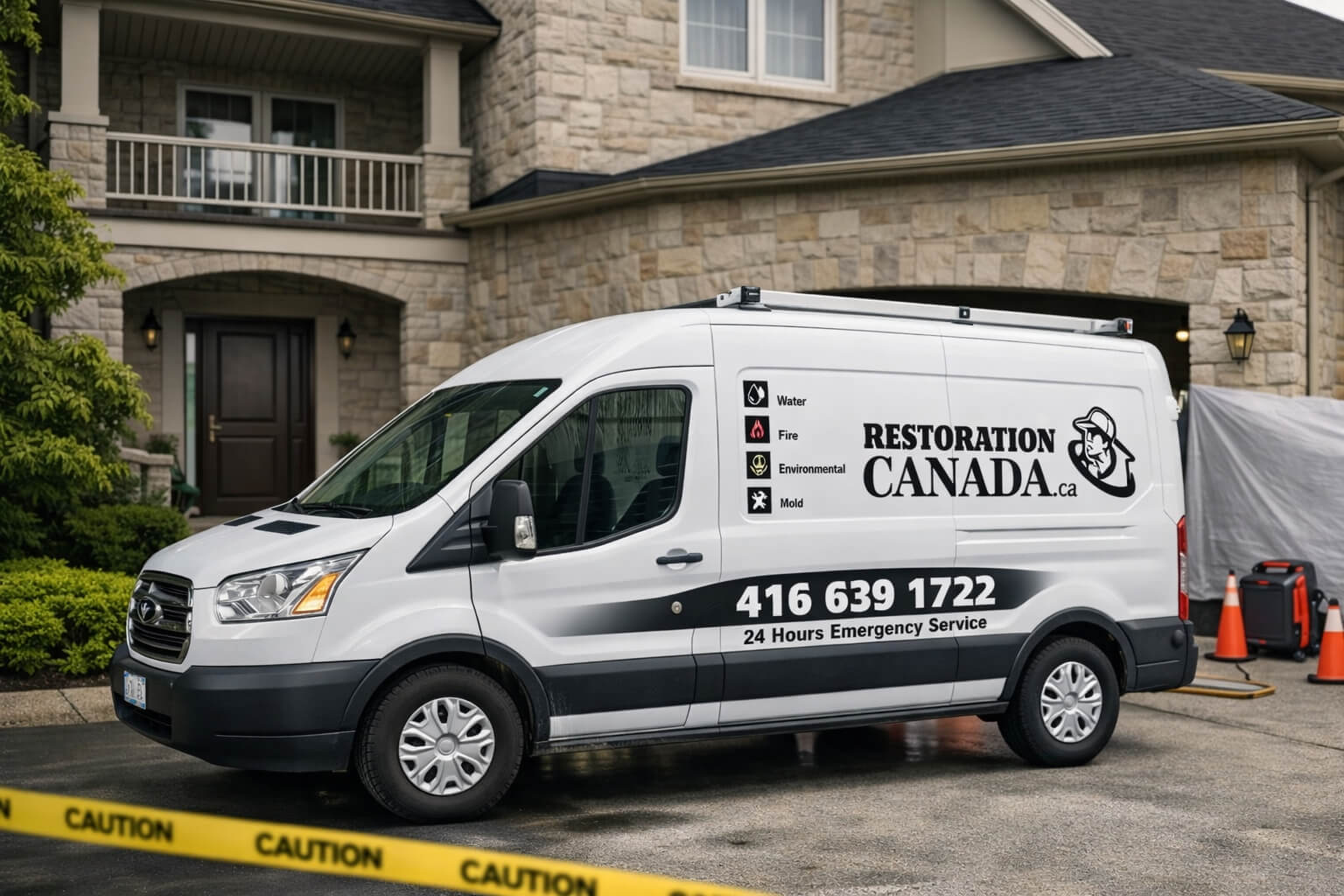
How to choose a water damage restoration company in the GTA - Restoration Canada
Restoration Canada serves Toronto and the entire GTA with certified water damage restoration and emergency response services.
24-48h Hours before mold can begin growing after water exposure
45-90 Minutes - ideal emergency response window for GTA properties
3-7 Days typical structural drying time depending on damage severity

Why Choosing the Right Restoration Company Matters

Water damage restoration is not just another home service. It is an emergency response industry where speed, training, and technical knowledge directly affect how much damage your property suffers. A professional team can often save flooring, drywall, furniture, and structural materials if they begin mitigation quickly enough. On the other hand, delayed or improper drying can transform a manageable cleanup into a major reconstruction project.

One of the biggest misconceptions homeowners have is believing that visible dryness means the property is fully dry. In reality, moisture often becomes trapped behind drywall, underneath laminate flooring, inside insulation, or within wooden framing. Without thermal imaging cameras, moisture meters, and commercial dehumidifiers, hidden water can remain for weeks. That trapped moisture becomes the perfect breeding ground for mold and bacteria.

Think of it this way: wiping a wet counter is easy because you can see the water. Now imagine that same water soaking underneath hardwood floors and inside your walls where you cannot see it. The danger becomes much harder to detect without specialized equipment and trained technicians.

The Hidden Costs of Delayed Water Damage Repairs

The first 24 to 48 hours after water exposure are considered the most critical period in restoration. Microbial growth can begin within that timeframe when moisture is not properly controlled. Delayed response often means higher repair costs, more extensive demolition, and potential health risks from mold contamination. Choosing a company with genuine emergency availability is not optional - it is essential.

Why Fast Emergency Response Is Critical

Another reason your choice matters is insurance. Experienced restoration contractors know how to document losses properly, communicate with adjusters, and provide the detailed reports insurers require. A company with strong insurance experience can reduce stress dramatically during an already overwhelming situation.

What Does a Water Damage Restoration Company Actually Do?

Many people assume restoration companies only vacuum water from flooded basements. In reality, professional restoration involves a complete scientific drying and recovery process designed to return the property to a safe condition. A qualified licensed water damage contractor Toronto residents hire should follow a structured restoration process from beginning to end.

Water Extraction and Drying

The first stage is emergency mitigation. This includes stopping the source of water if possible, extracting standing water, and inspecting all affected areas. Commercial pumps, truck-mounted extraction systems, and moisture detection tools are used during this phase. After extraction comes structural drying using industrial air movers and dehumidifiers placed strategically to remove moisture trapped inside building materials. Professional companies monitor moisture levels daily to confirm drying progress.

Mold Prevention and Structural Repairs

A trustworthy company will sanitize affected areas when contamination is present. Category 3 water damage involving sewage backups requires specialized safety protocols because contaminated water may contain harmful bacteria. Antimicrobial treatments and proper drying methods prevent mold colonies from developing. Some companies also offer reconstruction services to repair damaged drywall, flooring, ceilings, and insulation after mitigation is complete.

Water Damage Restoration Services - Toronto and GTA Learn about the complete restoration process Restoration Canada uses to protect your property

Key Qualities to Look for in a Water Damage Restoration Company Toronto

Choosing the right company during an emergency can feel overwhelming because every website claims to be the best. The key is focusing on measurable qualifications instead of marketing promises.

IICRC Certified Technicians

Certification ensures technicians follow standardized procedures for water extraction, structural drying, and mold prevention rather than relying on guesswork.

Licensed and Insured Contractors

A legitimate contractor should carry liability insurance, workers compensation coverage, and any required provincial licensing to protect both parties.

24/7 Emergency Availability

Water damage becomes more severe every hour. Reliable companies offer round-the-clock emergency service with arrival times between 45 and 90 minutes across the GTA.

Experience With Insurance Claims

Experienced contractors document losses properly, communicate with adjusters, and provide detailed reports that insurers require to process claims smoothly.

Commercial-Grade Equipment

Professional companies use thermal imaging cameras, industrial dehumidifiers, air scrubbers, and moisture meters - not consumer-grade tools.

Transparent Written Estimates

Reputable companies provide detailed written estimates explaining the drying process, equipment, timelines, and expected costs before any work begins.

Questions You Should Ask Before Hiring a Restoration Company

When homeowners panic during emergencies, they often hire the first company that answers the phone. That reaction is understandable, but asking the right questions can prevent major headaches later. Think of it like hiring a surgeon during an emergency - speed matters, but qualifications matter even more.

1
How quickly can you arrive? Emergency response is one of the biggest indicators of professionalism. A company that delays response may already be overwhelmed or understaffed. The ideal window is 45 to 90 minutes.
2
Are your technicians IICRC certified? Certifications demonstrate that technicians understand proper drying procedures, contamination categories, and moisture control standards specific to water damage restoration.
3
What equipment do you use for moisture detection? Reliable companies use thermal imaging cameras, hygrometers, industrial dehumidifiers, and moisture meters to identify hidden water and monitor drying progress throughout the project.
4
Do you work directly with insurance companies? Ask whether the company provides detailed documentation including moisture reports, photos, and estimates submitted directly to adjusters. This simplifies the claims process significantly.
5
Do you provide written estimates before starting? A detailed written scope protects homeowners from surprise costs and misunderstandings. Some unethical contractors take advantage of emergency situations by adding hidden charges later.
6
How do you monitor drying progress? Proper restoration is not a one-day process. Drying often takes several days and reputable companies should monitor moisture levels regularly until materials reach acceptable standards.

Red Flags to Avoid When Choosing a Restoration Company

Just as there are signs of professionalism, there are also warning signs homeowners should never ignore.

  • Extremely Low Pricing Water damage restoration requires expensive equipment and trained technicians. Companies offering unrealistically cheap prices often cut corners on drying procedures or use unqualified labor.
  • Lack of Certifications or References If a company cannot clearly explain its training, certifications, or drying methods, that is a serious problem. Proper restoration follows technical standards and should never rely on guesswork.
  • No Moisture Testing or Documentation Professional companies always use moisture meters and thermal imaging during inspections. Skipping this step means hidden moisture may remain, leading to mold problems months later.
  • Poor Communication Reliable companies explain timelines clearly, provide written documentation, and answer questions professionally. Chasing contractors for updates is a major red flag.
  • Pressure for Immediate Demolition Experienced contractors should explain why each step is necessary instead of rushing decisions. Unnecessary demolition can dramatically increase costs without proper assessment first.
  • Patterns in Negative Reviews If multiple customers mention unfinished drying, mold returning after repairs, or hidden fees, take those complaints seriously before making any hiring decision.

Important: Never sign an incomplete agreement or authorize work without a detailed written estimate. Emergency situations should not be used as pressure tactics to bypass proper documentation.

Comparing Restoration Companies in the GTA

The GTA has no shortage of restoration providers, ranging from large franchise chains to local independent companies. Each option has advantages and disadvantages depending on the situation.

Local Companies vs Franchise Chains

Large franchises often have bigger teams, more equipment, and established insurance relationships. They may respond quickly during large-scale storms because of their broader resources. However, some homeowners feel that franchise companies treat projects like assembly lines with less personalized service. Local companies often provide more direct communication and personalized attention. Since their reputation depends heavily on local reviews and referrals, many prioritize customer relationships and detailed workmanship.

Importance of Customer Reviews

When comparing providers, customer reviews can be incredibly valuable. Look beyond star ratings and pay attention to specific comments about response times, professionalism, communication, and whether the property remained mold-free afterward. It is also smart to compare guarantees. Some companies provide mold prevention guarantees or follow-up inspections after drying is complete, showing confidence in their restoration process.

About Restoration Canada - Our Certifications and Service Area Learn about our team, IICRC certifications, and commitment to serving Toronto and the GTA

Why IICRC Certification Matters

Homeowners often see the phrase IICRC certified on restoration websites without understanding what it actually means. In simple terms, it is one of the most recognized certifications in the restoration industry. Companies with certified technicians are trained to follow standardized procedures for water extraction, structural drying, contamination handling, and mold prevention.

Industry Standards and Safety

This matters because restoration is highly technical. Improper drying can leave moisture hidden behind walls and flooring, leading to expensive mold problems months later. Certified technicians understand psychrometry, moisture mapping, humidity control, and the science of structural drying. Hiring certified professionals is similar to choosing a licensed electrician instead of someone guessing with wires. The consequences of improper work may not appear immediately, but they can become extremely costly over time.

Proper Mold and Water Damage Procedures

IICRC standards also establish procedures for dealing with contaminated water. Category 3 water involving sewage or floodwater requires special containment measures, protective equipment, and sanitization procedures to keep occupants safe. Without these standards, technicians may unknowingly spread contamination throughout unaffected areas of the property.

IICRC certification is not just a marketing badge. It represents documented training in moisture science, drying standards, contamination control, and industry-approved restoration procedures that protect your property and your family.

Understanding the Restoration Process

A professional restoration process usually begins with inspection and assessment. Technicians inspect the property, classify the water category, identify affected materials, and develop a drying plan. Understanding each phase helps homeowners know what to expect and how to evaluate whether the work is being done correctly.

Inspection and Damage Assessment

The initial inspection classifies the water damage category, identifies all affected materials, and maps moisture using thermal imaging and moisture meters. This step determines the equipment needed, the drying timeline, and the scope of any required repairs. Skipping thorough inspection is one of the earliest signs of an inexperienced contractor.

Drying, Monitoring, and Final Repairs

Water extraction removes standing water using pumps and extraction systems. Structural drying with industrial dehumidifiers and air movers follows immediately. Moisture readings should be taken regularly to track drying progress. After drying is confirmed complete, reconstruction begins - replacing drywall, flooring, insulation, or cabinetry as needed. The best companies maintain clear communication throughout every phase of the project.

1
Emergency Inspection and Assessment Technicians classify water category, identify affected areas, and use thermal imaging to map hidden moisture throughout the property.
2
Water Extraction Commercial pumps and truck-mounted extractors remove standing water as quickly as possible to prevent further absorption into building materials.
3
Structural Drying and Monitoring Industrial dehumidifiers and air movers dry hidden moisture over several days. Readings are monitored daily until materials reach acceptable dryness standards.
4
Sanitization and Mold Prevention Antimicrobial treatments are applied to affected areas. Category 3 water damage requires full containment and specialized protective protocols.
5
Reconstruction and Final Repairs Damaged drywall, flooring, insulation, and cabinetry are repaired or replaced. The property is restored to its pre-damage condition.

Choosing a Company That Serves the Entire GTA

The Greater Toronto Area covers a massive region including Toronto, Mississauga, Vaughan, Brampton, Markham, Scarborough, Oakville, and many surrounding municipalities. Choosing a company with broad GTA coverage can improve response times significantly during emergencies.

Local weather patterns also make regional experience important. GTA properties face heavy rainfall, frozen pipe bursts during winter, spring thaw flooding, and sewer backup risks during storms. Companies familiar with these regional challenges are often better prepared for rapid mitigation. Fast response is especially critical because mold growth may begin within 24 to 48 hours after water exposure. The sooner a restoration company arrives, the better the chances of minimizing repairs and preventing secondary damage.

Need Emergency Water Damage Help in the GTA?

(416) 639-1722 - Call Now

Conclusion

Finding the right water damage restoration company Toronto homeowners can rely on is about much more than choosing the first emergency number you find online. The best restoration companies combine rapid response, professional certifications, advanced equipment, transparent communication, and proven drying procedures to protect your property properly.

Water damage moves fast, and delays can lead to mold growth, structural deterioration, and dramatically higher repair costs. That is why homeowners should focus on certified experience, documented processes, and reliable customer reviews when comparing providers. A trustworthy licensed water damage contractor Toronto residents hire should provide clear estimates, professional moisture testing, insurance support, and ongoing monitoring until the property is truly dry - not just visually dry.

If you are dealing with water damage anywhere in the GTA, acting quickly is the smartest move you can make.

Contact Restoration Canada - Free Emergency Assessment Certified water damage restoration across Toronto and the GTA, available 24/7 including weekends and holidays

Frequently Asked Questions

QHow quickly should a restoration company respond after water damage?

Ideally, a restoration company should arrive within 45 to 90 minutes during emergencies. Fast response helps minimize structural damage and reduces the risk of mold growth significantly.

QWhy is IICRC certification important?

IICRC certification ensures technicians are trained in professional restoration standards, including proper drying, moisture detection, contamination handling, and mold prevention procedures.

QCan water damage cause mold even if the floor looks dry?

Yes. Hidden moisture can remain inside walls, flooring, and insulation even when surfaces appear dry. Professional moisture testing is necessary to confirm proper drying throughout all affected materials.

QWill my insurance cover water damage restoration?

Coverage depends on the source of the water damage and your insurance policy. Many restoration companies work directly with insurance providers to simplify the claims process and documentation.

QHow long does the restoration process usually take?

The drying phase often takes between 3 to 7 days depending on the severity of the damage, humidity levels, and affected materials. Reconstruction timelines vary based on the repairs needed.

Explore More Posts

Certificates

Restoration Canada logo water damage restoration Toronto

PROUDLY CANADIAN

4A - 15 Gormley Industrial Ave, Box 58
Gormley, ON L0H 1G0

Google Reviews

Request a Free Assessment

*Take advantage of our free assessments, Monday-Friday from 9:00 AM to 5:00 PM

**Click here if this is an emergency 416-639-1722