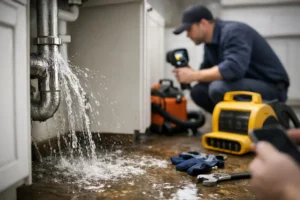

Basement Flood Insurance Claim
Toronto: Step-by-Step Guide
A flooded basement can feel like a nightmare unfolding in real time. Understanding the insurance claim process — what's covered, what to document, and how to act fast — can make the difference between full recovery and costly out-of-pocket repairs.
In Toronto and across the GTA, basement flooding has become increasingly common due to extreme rainfall, aging infrastructure, sewer backups, and sudden weather shifts. For homeowners, the emotional stress is often just as overwhelming as the financial impact.
The good news is that acting quickly and understanding the basement flood insurance claim Toronto process can make a massive difference. Many homeowners lose valuable compensation simply because they do not know what steps to take after discovering water damage. Insurance claims can feel confusing, especially when policies contain different terms for overland flooding, sewer backup, and water damage restoration.
This guide walks you through the exact steps to follow after a basement flood in Toronto — how to protect your property, document the damage, work with your insurance company, and avoid costly mistakes that could delay your claim.
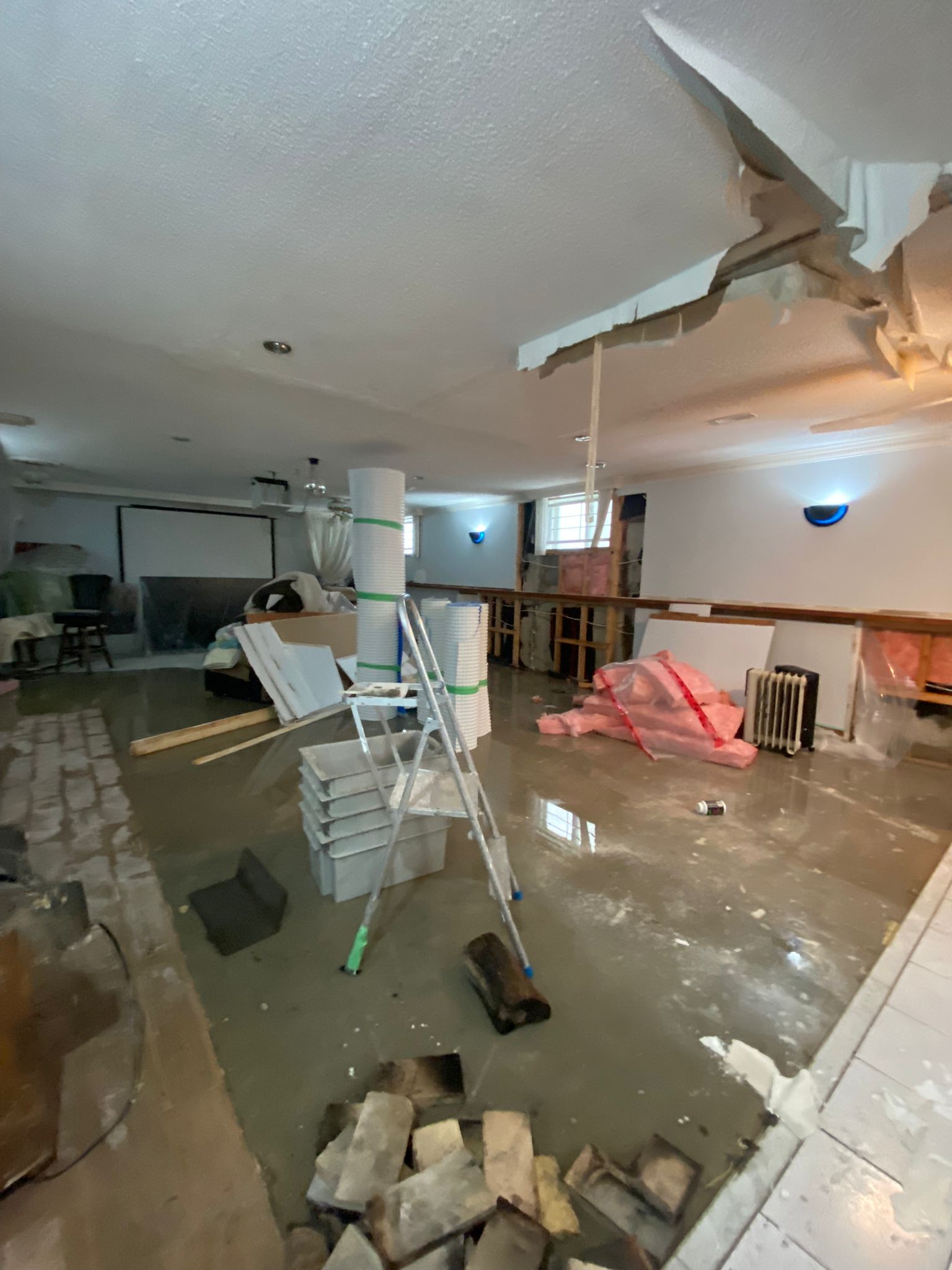
Whether you are dealing with a small leak or a major flood emergency, knowing how to navigate the claims process can help you recover faster and reduce long-term damage to your home.
Why Basement Flooding Is a Growing Problem in Toronto
Toronto homeowners are facing more flooding events today than ever before. Heavy rainstorms that once happened occasionally are now occurring more frequently, overwhelming drainage systems and causing water to back up into residential basements. Older neighborhoods in particular are vulnerable because many sewer systems were not designed to handle the volume of water generated by modern storms.
Common Causes of Basement Flooding in the GTA
The Greater Toronto Area has experienced multiple severe rainfall events in recent years, leaving thousands of homes damaged. Even moderate rainfall can create flooding if your home has poor drainage, foundation cracks, clogged weeping tiles, or outdated sump pump systems.
- Overwhelmed municipal sewer systems during heavy storms
- Foundation cracks allowing groundwater infiltration
- Failed or aging sump pump systems
- Clogged eavestroughs and improper exterior grading
- Deteriorated weeping tiles around the foundation
- Combined sewer systems backing up into residential drains
How Climate Change Is Affecting Toronto Homes
Climate change has amplified the problem significantly. Short-duration storms are becoming more intense across Southern Ontario, which means neighborhoods that never flooded twenty years ago may suddenly face repeated water damage today. Another overlooked factor is urban development — as more surfaces become paved with concrete and asphalt, rainwater has fewer natural places to drain. Instead of soaking into the ground, water flows rapidly into storm systems that may already be operating beyond capacity. The result is water finding the easiest path possible, and many times that path leads directly into basements.
For homeowners, this means flood preparedness is no longer optional. Understanding your insurance policy and having a restoration plan in place are now essential parts of protecting your investment.
Does Home Insurance Cover Basement Flooding in Toronto?
One of the biggest misconceptions among homeowners is assuming all water damage is automatically covered by insurance. Unfortunately, that is not always the case. Coverage depends entirely on the type of flooding involved and the specific endorsements included in your policy.
What Standard Policies Usually Cover
Most standard home insurance policies in Ontario include protection for sudden and accidental water damage — such as burst pipes or appliance failures. However, flooding caused by sewer backups or overland water typically requires additional coverage endorsements. Many insurance companies now offer optional flood riders because water-related claims have become so common and expensive.
What May Be Excluded From Coverage
Gradual damage caused by long-term neglect is almost universally excluded. Insurers expect homeowners to maintain their property and address minor issues before they become major ones. Flooding caused by inadequate maintenance — such as a sump pump that was never tested or eavestroughs that went uncleaned for years — may face claim disputes or partial denial.
Sewer Backup vs Overland Flood Coverage
Understanding the difference between these two coverage types is extremely important when filing a water damage insurance claim. A sewer backup happens when wastewater flows backward through pipes and drains into your basement. Overland flooding occurs when rainwater or melting snow enters from outside ground level. Insurance providers will carefully investigate the source of the water — and if your policy does not include the appropriate endorsement, your claim may be partially or entirely denied.
| Coverage Type | Typically Covered? | Description |
|---|---|---|
| Sewer Backup | Optional Add-On | Covers water entering through drains or sewer systems |
| Overland Flooding | Optional Add-On | Covers water entering from outside due to heavy rain or snowmelt |
| Burst Pipes | Usually Included | Covers sudden, accidental pipe failures |
| Gradual Leaks | Often Excluded | Damage from long-term neglect or maintenance failures |
Reviewing your insurance coverage before disaster strikes is one of the smartest things a homeowner can do. Call your insurer today to confirm whether sewer backup and overland flood coverage are included in your policy.
Basement Flooded Right Now?
Our certified technicians respond within 60 minutes across the GTA — 24 hours a day, 7 days a week.
First Things to Do After a Basement Flood
When your basement floods, panic is natural — but the first few hours are critical. Your actions immediately after the incident can significantly affect both your insurance payout and the overall restoration cost.
Safety Steps Before Entering the Basement
Safety should always come first. Never enter a flooded basement if there is any possibility of electrical hazards. Water and electricity are a dangerous combination. If safe to do so, turn off the power to the affected area at your breaker panel. If you are unsure, contact an electrician or emergency services before entering.
How to Prevent Further Water Damage
Keep receipts for any emergency expenses, including hotel stays, cleaning supplies, or temporary repairs — these costs may qualify for reimbursement under your policy. Think of flood documentation like building a legal case for your home: the more evidence you gather, the stronger your position becomes.
How to Start a Basement Flood Insurance Claim in Toronto
Filing a flood insurance claim in Toronto starts with contacting your insurance company as soon as possible. Most insurers have 24/7 emergency claim lines specifically for flood and water damage situations. Delays in reporting can create complications — insurance companies may argue that additional deterioration occurred due to late action.
Contacting Your Insurance Provider
When speaking with your insurer, provide detailed but accurate information about what happened. Avoid guessing or exaggerating — simply explain when you discovered the flooding, which areas were affected, and what immediate steps you took to protect the property.
Documents and Photos You Need
Your insurer will assign an adjuster to inspect the damage. During this stage, organization becomes extremely valuable. Prepare the following items for your adjuster:
- Photos and videos clearly showing the full extent of damage
- Receipts or estimates for damaged belongings and appliances
- Emergency repair invoices (water extraction, temporary fixes)
- A detailed list of all affected items with approximate values
- Serial numbers for damaged appliances if available
- Copies of your current insurance policy documents
Understanding the Insurance Adjuster Process
The adjuster's job is to determine the source of the flood, evaluate the extent of the damage, and confirm what is covered under your policy. Professional restoration companies can help streamline communication between you and your insurer — many are experienced with insurance documentation requirements and can assist with moisture reports, estimates, and detailed assessments.
Mistakes That Can Hurt Your Water Damage Insurance Claim
Insurance claims are stressful enough without avoidable errors complicating the process further. Many homeowners unintentionally weaken their own claims simply because they do not understand how insurers evaluate water damage cases.
Throwing Away Damaged Items Too Early
Even if furniture or flooring seems completely ruined, your insurance provider may need to inspect those items first. Discarding evidence before the adjuster arrives can reduce or eliminate compensation for those items. Keep everything until you receive explicit approval from your insurer.
Waiting Too Long to Report the Damage
Even if the damage seems manageable initially, delays can raise concerns about mold growth or secondary damage resulting from a lack of action. Insurance companies expect homeowners to take reasonable steps to prevent conditions from worsening. Report the flood as soon as it is discovered — even if you are still assessing the extent.
| Mistake | Why It Causes Problems |
|---|---|
| Delaying the claim report | Can lead to denied or reduced coverage for secondary damage |
| Discarding damaged items | Removes physical evidence the adjuster may need to assess |
| Incomplete or blurry documentation | Weakens proof of loss and slows the approval process |
| Beginning demolition before approval | Creates disputes about original extent of damage |
| Ignoring mold risks | May significantly increase total repair costs later |
| Using unqualified contractors | Could create disputes with your insurance company |
Professional Water Damage Restoration and Why It Matters
After the immediate emergency passes, proper restoration becomes the next priority. Water damage spreads quickly and often hides behind walls, under flooring, and inside insulation. What appears dry on the surface may still contain dangerous moisture levels capable of causing mold growth within 24 to 48 hours.
Mold Prevention and Structural Drying
Professional restoration companies use specialized drying equipment, moisture meters, industrial dehumidifiers, and antimicrobial treatments to fully restore affected areas. This is especially important in basements because enclosed spaces retain humidity far longer than upper levels of the home. Mold is one of the biggest long-term risks after flooding — it spreads quickly through drywall, insulation, and wood framing if moisture is not properly eliminated.
Working With Insurance-Approved Restoration Teams
A major advantage of hiring experienced restoration specialists is their familiarity with the insurance claim process. Reputable restoration companies often work directly with insurers and understand the documentation standards adjusters require. This reduces delays, minimizes misunderstandings, and helps ensure you receive the full compensation you are entitled to.
How Restoration Canada Helps Toronto Homeowners
Flood emergencies require speed, expertise, and coordination. That is why many Toronto homeowners rely on Restoration Canada for both emergency mitigation and insurance-related support after a basement flood.
Emergency Flood Response Services
Restoration Canada provides emergency water damage restoration services throughout Toronto and the GTA, responding quickly to flooded basements, sewer backups, burst pipes, and storm-related water damage. The team arrives on-site within 60 minutes, begins water extraction immediately, and takes the documentation steps needed to support your insurance claim from the very first hour.
Free Assessment and Insurance Support
One major benefit of working with experienced restoration professionals is the immediate detailed damage assessment. This helps homeowners understand the full scope of the problem while providing insurers with accurate documentation. Having a restoration partner simplifies the process and reduces stress during an already difficult situation.
Basement Flooded in the GTA?
Restoration Canada arrives within 60 minutes, handles your insurance documentation, and restores your home — 24/7 including weekends and holidays.
Cost of Basement Flood Damage in Ontario
Flood damage costs can vary dramatically depending on how much water entered the home, how long water remained, and which materials were affected. Even a small basement flood can result in thousands of dollars in restoration expenses once flooring, drywall, insulation, and furniture are involved.
Average Repair Costs
| Damage Type | Estimated Cost Range |
|---|---|
| Minor Water Cleanup | $1,500 – $4,000 |
| Moderate Flood Restoration | $5,000 – $15,000 |
| Severe Structural Damage | $20,000+ |
| Mold Remediation | $2,000 – $10,000 |
Factors That Affect Restoration Pricing
Several factors influence total restoration costs: basement size, contamination level of the water, drying complexity, and the extent of reconstruction needed. Sewer backup situations are often more expensive because contaminated water requires specialized sanitation procedures that go beyond simple drying. Insurance coverage can significantly reduce these financial burdens — which is exactly why understanding your policy in advance is so important.
Preventing Future Basement Flooding
While no home is completely immune to flooding, preventative measures can dramatically reduce risk. Many Toronto homeowners are now investing in flood prevention systems after experiencing costly water damage events — and for good reason.
Backwater Valves and Sump Pumps
A sump pump is one of the most effective tools for basement flood prevention. It automatically removes water collecting around the foundation before it enters the basement. Backwater valves are another valuable upgrade because they prevent sewage from flowing backward into drains during heavy storms. The City of Toronto offers subsidy programs to help homeowners offset the installation costs of both devices.
Seasonal Maintenance Tips
Think of flood prevention like routine maintenance for your car. Ignoring small issues today leads to major and expensive problems tomorrow. Seasonal attention to your drainage systems is one of the simplest — and most cost-effective — ways to protect your home.
- Clean eavestroughs regularly Blocked gutters send water cascading directly toward your foundation. Clear them every spring and fall, especially if trees are nearby.
- Extend downspouts away from the home Direct downspout discharge at least 1.8 metres away from the foundation to prevent water pooling near basement walls.
- Seal foundation cracks promptly Even hairline cracks allow groundwater infiltration. Inspect foundation walls every spring and address cracks before the rainy season begins.
- Test your sump pump annually Pour water into the sump pit to confirm the pump activates properly. Consider a battery backup unit for protection during power outages — which often occur during the heaviest storms.
- Install a backwater valve Prevents sewage from flowing backward into your home during overloaded sewer conditions. One of the most effective flood protections available — and City subsidies may offset much of the cost.
Conclusion
Dealing with basement flooding is stressful, expensive, and emotionally draining. But understanding the basement flood insurance claim Toronto process can help you regain control during a difficult situation. From documenting damage properly to working with experienced restoration professionals, every step you take after a flood affects both your recovery timeline and your insurance outcome.
Toronto homeowners face increasing flood risks due to changing weather patterns, aging infrastructure, and urban development. That makes preparation more important than ever. Reviewing your insurance policy, understanding your coverage types, and acting quickly after a flood can protect both your property and your finances for years to come.
If your basement has recently flooded, immediate professional help can make all the difference. Fast water extraction, proper structural drying, and expert insurance support reduce long-term damage while improving claim success rates significantly.
Frequently Asked Questions
Most insurance companies require claims to be reported as soon as possible after the damage occurs. Delays can affect coverage eligibility and give insurers grounds to argue that additional deterioration happened due to inaction. Immediate reporting is always recommended.
Not always. Sewer backup coverage is often an optional add-on endorsement that must be purchased separately. Review your policy carefully and speak with your insurer to confirm whether you have this protection before a flood occurs.
You can take basic emergency steps if safe — removing valuable items, opening windows for ventilation — but professional restoration is highly recommended. Specialists use moisture meters and industrial equipment to eliminate hidden moisture that household fans cannot address, significantly reducing the risk of mold growth.
Yes. Mold can begin growing within 24 to 48 hours after water exposure if moisture is not properly and thoroughly removed. This is one of the most important reasons to act quickly and engage professional restoration services as soon as possible after a flood.
Adjusters typically investigate the source of the water first — whether it came from a sewer backup, overland flooding, a burst pipe, or gradual neglect. They then evaluate the extent of the damage and confirm whether the policy includes the relevant flood coverage type. Thorough documentation prepared in advance can significantly speed up this process.