
Emergency Property Restoration Guide for GTA
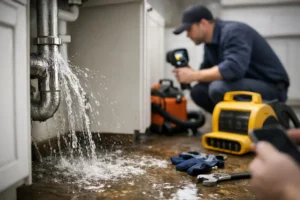
A flooded basement at 2 a.m., a burst pipe above a finished office, or sewage backing up through a floor drain can turn a normal day into a serious property emergency within minutes. This emergency property restoration guide is built for Greater Toronto Area property owners and managers who need to make sound decisions quickly, protect people first, and stop damage from spreading.
The priority is not to make the space look clean right away. It is to make it safe, identify the source, remove contaminated water or materials where required, and dry the structure properly. Fast action can reduce damage to flooring, drywall, furnishings, inventory, and building systems. It can also help prevent mould growth, which may begin when moisture is left behind for too long.
First Actions During a Property Emergency
Before moving furniture, pulling up carpet, or starting cleanup, assess whether it is safe to remain in the building. Water near electrical outlets, a strong sewage odour, smoke residue, a damaged ceiling, or suspected asbestos all call for professional support rather than a do-it-yourself response.
Take these immediate steps when it is safe to do so:
- Stop the source of water if you can safely reach the main shutoff valve or isolate the affected plumbing fixture.
- Keep people and pets away from standing water, especially if electricity, sewage, or unknown contaminants may be involved.
- Move dry, valuable belongings away from the affected area without walking through unsafe water or disturbing damaged materials.
- Photograph visible damage and record the time the problem was discovered before major cleanup begins.
Then call for emergency restoration help. A qualified restoration team can attend quickly, assess the type and extent of damage, and begin mitigation before a manageable incident becomes a larger reconstruction project. For urgent GTA losses, Restoration Canada provides 24/7 emergency response and works to arrive within 30 to 60 minutes when conditions and location allow.
Emergency Property Restoration Guide: Know the Type of Damage
Not all water damage is the same, and the correct cleanup approach depends on where the water came from and what it contacted. A clean-water pipe leak may still require removal of wet drywall and insulation if moisture has travelled behind finished surfaces. A sewage backup is more hazardous because it can contain bacteria and other contaminants, requiring controlled removal, disinfection, and disposal of affected porous materials.
Floodwater entering from outdoors can bring soil, debris, and contaminants into a basement or commercial unit. Water from a roof leak may spread slowly through insulation, ceilings, wall cavities, and electrical pathways before it becomes visible. In a condominium, the issue may involve a neighbouring suite, a common element, or the building plumbing system. Notify property management promptly, but do not wait for administrative decisions before starting emergency mitigation if active damage is continuing.
Fire damage also has layers. The visible burn area is only part of the loss. Smoke can travel through HVAC systems and settle on surfaces well beyond the room where the fire began. Water used to extinguish a fire can create a second restoration problem, while damaged materials may pose structural or air-quality concerns.
If a renovation, older pipe insulation, ceiling texture, flooring, or other material is suspected of containing asbestos, do not disturb it. Sampling and removal must follow appropriate containment and safety procedures. Cutting, sweeping, or tearing out questionable materials can release fibres into the air and increase the scope of work.
What Professional Restoration Looks Like
A proper restoration process follows the damage, rather than treating only what is visible. After the emergency call, technicians inspect the affected areas, identify the likely source, and use moisture detection tools to understand how far water has travelled. This assessment helps determine what can be dried and saved, what needs to be removed, and what safety controls are necessary.
1. Emergency mitigation and extraction
The first goal is to stop ongoing damage. This can include water extraction, containment of contaminated areas, removal of unsalvageable wet materials, and protection of unaffected rooms. For a commercial property, the team may also help prioritize critical areas such as electrical rooms, tenant spaces, inventory storage, reception areas, or operational equipment.
The speed of extraction matters, but it is not the full solution. A carpet can feel dry on top while the underpad, subfloor, baseboards, and wall cavities remain wet. Leaving hidden moisture behind is one of the most common reasons a property develops odours, staining, warped materials, or mould after an initial cleanup.
2. Controlled drying and disinfection
Restoration professionals use air movement, dehumidification, and targeted drying equipment to return materials to an acceptable moisture level. Equipment placement is based on the building materials, the size of the affected area, temperature, humidity, and moisture readings. More fans are not always better. Incorrect drying can be inefficient, disturb contaminants, or fail to address concealed moisture.
When sewage, floodwater, or mould is involved, cleaning must include the right containment and disinfection approach. The objective is not to mask odours. It is to remove contamination, clean and treat salvageable surfaces, and ensure affected materials are handled responsibly.
3. Documentation and insurance coordination
Clear documentation protects everyone involved. Photographs, moisture readings, equipment records, scope notes, and records of removed materials can help support an insurance claim and explain why specific work was necessary. Contact your insurer as soon as practical, but do not delay emergency water removal or safety work while waiting for an adjuster to attend.
Coverage depends on your policy, the cause of loss, deductibles, endorsements, and property type. Sewer backup, overland flooding, gradual leaks, and condominium claims can all be treated differently. A restoration contractor should not promise coverage before the insurer reviews the claim. They can, however, provide organized documentation and, where available, bill insurance directly to reduce part of the administrative burden.
4. Repair and full restoration
Mitigation stabilizes the property. Restoration returns it to a finished, functional condition. This can involve replacing insulation and drywall, repairing ceilings, installing flooring, repainting, rebuilding cabinetry, restoring trim, or completing larger structural repairs after fire or extensive flooding.
This is where a single accountable team can make a meaningful difference. When the company that handled drying also manages repairs, it has direct knowledge of the original loss, the materials removed, and the drying conditions achieved. That continuity helps avoid gaps between emergency cleanup and reconstruction.
Decisions That Can Make Damage Worse
The instinct to save money by handling cleanup alone is understandable, especially when the damage seems limited. However, some actions create costly secondary problems. Do not use a household vacuum on standing water, run HVAC equipment through a smoke- or mould-affected area, or place fans in a sewage-contaminated space without professional direction.
Avoid removing wet drywall before documenting the loss unless there is an immediate safety reason. Do not paint over water stains, as the moisture source may still be active. And do not assume a dry floor means the structure is dry. Moisture often moves downward and sideways through building materials.
For landlords and commercial operators, communication is also part of the response. Advise tenants, staff, or customers about access restrictions and safety measures without speculating about timelines before the extent of damage is known. A concise update that explains what happened, what is being done, and when the next update will be provided can reduce uncertainty during a disruptive event.
Prevention Starts After the Emergency Is Under Control
Once restoration is underway, ask why the incident occurred and what can reduce the chance of it happening again. A basement flood may point to drainage issues, foundation cracks, sump pump failure, or a sewer backup risk. A burst pipe may reveal inadequate insulation, an aging plumbing line, or a heating problem during a cold spell. Repeated condensation or mould may indicate poor ventilation, an unaddressed leak, or a building-envelope issue.
The right preventative work depends on the property and the cause of loss. Basement waterproofing planning, plumbing repairs, roof maintenance, improved drainage, mould inspections, and routine checks of shutoff valves and sump pumps can all be worthwhile. The goal is not to overcorrect every risk. It is to address the failure point that caused the damage and protect the areas most vulnerable to a repeat event.
A property emergency is personal, whether it affects a family home, a tenant’s suite, or a business that needs to reopen. Act quickly, keep safety ahead of salvage, and insist on a restoration plan that addresses both the immediate damage and the work required to truly put the property back together.