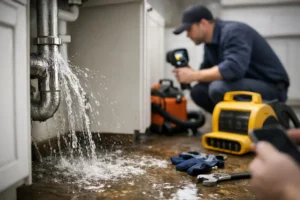

Water Damage Repair Cost in Toronto: What to Expect
A wet ceiling below an upstairs bathroom, a burst pipe at 2 a.m., or water rising across a finished basement can turn into a much larger repair if it is left untreated. Water damage repair cost is not one fixed number because every loss has a different source, affected area, building material, and level of contamination. The action taken in the first few hours can also make a meaningful difference to both the scope of work and the final bill.
For GTA homeowners, condominium residents, landlords, and business operators, the priority is to stop the water, protect people and property, and begin professional drying quickly. Once water is removed and moisture is controlled, the repair plan becomes much clearer.
What Does Water Damage Repair Cost in the GTA?
A small, clean-water leak caught early may require targeted drying and minor repairs. A basement flood, sewage backup, or long-term hidden leak can require removal of finishes, disinfection, mould prevention, and reconstruction. In Greater Toronto Area properties, costs can also reflect access challenges, condominium requirements, specialty materials, and the labour needed to restore the area properly.
The ranges below are general planning figures, not a quote. A site assessment is the only reliable way to determine what a specific property needs.
| Type of work | Typical GTA cost range | What may be included | | — | —: | — | | Minor leak drying and repair | $1,500 to $7,500 | Water extraction, drying equipment, limited drywall or flooring repair | | Bathroom or kitchen water loss | $3,000 to $15,000+ | Drying, removal of damaged finishes, repairs to walls, flooring, cabinetry or ceilings | | Finished basement flooding | $5,000 to $25,000+ | Extraction, drying, demolition, disinfection, contents handling and reconstruction | | Sewage backup cleanup | $8,000 to $30,000+ | Contaminated-material removal, cleaning, disinfection, drying and rebuilding | | Major structural or commercial water loss | $20,000 and up | Large-scale mitigation, detailed drying, repair coordination and business-continuity work |
These figures generally do not include the cost to fix the original plumbing failure, roofing defect, appliance, or municipal issue that caused the water loss. They also vary based on the extent of reconstruction required after mitigation is complete.
The Factors That Drive the Final Price
The source and category of water
Clean water from a supply line or overflowing sink is usually less costly to remediate than water from a drain, toilet, sewer, or outdoor flood. Sewage backup and other contaminated water incidents require more than extraction. Porous materials such as carpet, underpad, insulation, drywall, and some contents may need to be removed because they cannot be safely cleaned.
This is why two basement floods that look similar at first can carry very different costs. The visible water level is only part of the story. The contamination level determines the cleaning, disposal, protective equipment, and disinfection required.
How long water has been present
Time changes the job. Water travels beneath flooring, behind baseboards, into wall cavities, under cabinetry, and through ceilings. After 24 to 48 hours, damp building materials can create conditions that support mould growth.
Fast extraction and controlled drying can sometimes save flooring, drywall, and personal belongings. Delayed action may mean those same materials have to be removed and replaced. Calling for emergency help promptly is often the most practical cost-control decision after a flood or leak.
The materials affected
Tile over a properly installed membrane may dry differently than laminate flooring installed over a wet subfloor. Hardwood can cup or buckle, while engineered flooring may delaminate. Drywall can wick moisture upward beyond the obvious water line. Cabinet boxes, insulation, trim, carpeting, and ceiling materials all require individual assessment.
A technician should use moisture readings and thermal imaging where appropriate, rather than relying only on what looks wet. Proper documentation helps identify hidden moisture before it causes odours, mould, or repeat repairs later.
Access, occupancy, and property type
Condominium losses may involve units above or below, elevator bookings, building management approvals, and common-element considerations. A commercial loss can require work after hours, containment around occupied areas, protection of inventory, and a phased plan to keep operations moving.
Older GTA homes can bring additional considerations, including plaster walls, layers of past renovations, or materials that require testing before demolition. These details do not always make the work more expensive, but they can affect the sequence, timeline, and scope.
Mitigation versus reconstruction
Emergency mitigation is the work that prevents further damage: stopping the source where possible, extracting water, setting drying equipment, monitoring moisture, removing unsafe materials, and disinfecting affected areas. Reconstruction follows once the structure is dry and safe. It may include drywall, insulation, flooring, painting, cabinetry, trim, or other finish work.
Some estimates show these as separate phases, which can make the process easier to understand. It also allows the repair scope to be based on actual drying results rather than assumptions made on the first day of the emergency.
What a Proper Water Damage Estimate Should Explain
A clear estimate should tell you what happened, what materials are affected, what work is needed now, and what repairs may follow. It should distinguish emergency drying and cleaning from finish repairs, and it should identify any conditions that could change the scope once materials are opened or moisture readings are completed.
Be cautious about a price that is offered without an inspection, especially after a significant flood. An unusually low figure may not account for hidden moisture, contaminated materials, disposal, monitoring visits, or the work needed to return the space to its pre-loss condition.
For an insurance-related loss, detailed photos, moisture records, itemized work descriptions, and communication with the adjuster can reduce confusion. Restoration Canada can provide end-to-end emergency mitigation and reconstruction support, including direct insurance billing where eligible, so property owners are not left trying to coordinate multiple contractors during a stressful event.
Will Insurance Cover Water Damage Repairs?
Coverage depends on the cause of loss and the details of your policy. Sudden and accidental events, such as a burst supply pipe or appliance failure, may be covered subject to your deductible and policy limits. Water entering from outside, sewer backup, overland flooding, or gradual leaks may require specific endorsements or may have different coverage rules.
Condominium owners should review both their personal policy and the corporation’s coverage responsibilities. Landlords and commercial operators may also have separate coverage for building improvements, contents, income interruption, or tenant-related obligations.
If you are making a claim, document the damage before moving items when it is safe to do so. Take photos and video, keep receipts for emergency expenses, and report the incident promptly. Do not wait for an insurer’s decision before addressing active water and unsafe conditions. Reasonable emergency mitigation is necessary to protect the property from additional damage.
The Four Steps That Protect Your Property and Budget
The first step is emergency response. Shut off the water supply if you can do so safely, avoid electrical hazards, and move dry belongings away from the affected area. For sewage, extensive flooding, or water near electrical equipment, keep people out of the space and call for professional help.
Next comes assessment. A restoration team identifies the source, water category, affected materials, and hidden moisture. This is where a proper scope begins, not after a quick visual glance.
The third step is water removal and drying. Professional extraction, air movement, dehumidification, and moisture monitoring are used to dry the structure to an appropriate standard. Drying equipment should be monitored and adjusted as conditions change.
Finally, repair and restoration can begin. Once the area is confirmed dry, damaged finishes are rebuilt and the space is returned to a safe, functional condition. Choosing one accountable team for both phases can reduce handoffs, protect documentation, and keep the work moving from emergency response through final repairs.
When to Call for Immediate Help
Call immediately when water is actively spreading, a ceiling is sagging, a basement is flooding, sewage has entered the property, or water has reached electrical systems. The same applies when a leak has gone unnoticed and you see staining, peeling paint, soft drywall, warped floors, or a persistent musty smell.
The least expensive water loss is usually the one contained and dried before it has time to travel. Acting quickly does not guarantee a small repair, but it gives your property the best chance of avoiding avoidable demolition, mould growth, and disruption.