
Water Damage Restoration When Every Minute Counts
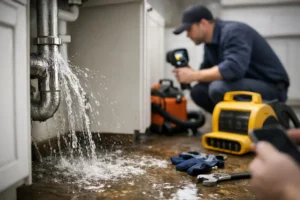
A burst pipe behind a wall, a flooded basement after heavy rain, or an overflowing appliance can change the condition of a property in minutes. Water damage restoration is not simply about removing visible water. It is about stopping the source, protecting the structure, drying hidden areas, documenting the loss, and restoring the space so it is safe to use again.
For homeowners, condominium residents, landlords, and business operators across the GTA, the first few hours often determine the size and cost of the recovery. Water travels quickly through flooring, drywall, insulation, cabinetry, and ceilings. The sooner it is addressed properly, the more likely it is that avoidable damage, mould growth, and disruption can be reduced.
What to Do Before Help Arrives
Safety comes first. If water is near electrical outlets, appliances, a breaker panel, or exposed wiring, stay clear of the affected area and do not enter standing water. If it is safe to do so, turn off the water supply at the source or at the main shut-off valve. For sewage backups or water that may be contaminated, avoid handling belongings or attempting to clean it yourself.
Move dry, lightweight belongings away from the affected area where possible. Take photos and short videos of the source, the water level, and damaged contents before extensive cleanup begins. This can help with insurance documentation, but do not delay emergency service just to capture every detail. The priority is to stop further damage.
A wet-dry vacuum, towels, or fans may seem like an immediate solution, but they have limits. They can remove a small amount of surface water after a minor spill. They cannot confirm whether moisture has entered wall cavities, subfloors, insulation, or the underside of flooring. In a significant flood, incomplete drying can turn a manageable event into a larger repair project.
Water Damage Restoration Starts Before Repairs
Professional water damage restoration follows a controlled sequence. Repairing drywall or replacing flooring too early can trap moisture inside the building assembly. That is why a dependable restoration team addresses the emergency first, then moves into drying, cleaning, and reconstruction.
1. Emergency response and source control
The first task is to identify the source and prevent more water from entering the property. This could mean shutting off a burst pipe, coordinating with a plumber, isolating a leaking appliance line, or responding to a roof leak after a storm. In condominium buildings, the source may be located in another unit or in common plumbing, which makes prompt communication with property management especially important.
Emergency response also includes making the area safe. Depending on the situation, this may involve removing wet contents, protecting unaffected rooms, and assessing electrical or structural concerns. Restoration Canada provides 24/7 emergency support and aims to be on site within 30 to 60 minutes in many GTA service areas, because waiting overnight can allow water to spread far beyond the original incident.
2. Damage assessment and moisture mapping
What is visible is only part of the loss. A proper assessment identifies the type of water involved, the materials affected, and the extent of moisture migration. Technicians use moisture meters, thermal imaging, and other professional tools to locate water behind finishes and beneath surfaces.
Clean water from a supply line is handled differently than water from a toilet overflow, sewage backup, or outdoor flooding. Contaminated water can carry harmful bacteria and other hazards. Porous materials such as carpet underpad, insulation, and damaged drywall may need to be removed rather than dried. The correct approach depends on the source, how long the water has been present, and whether the affected materials can be safely restored.
This assessment also provides a clear record for your insurer. Photos, readings, and detailed scope notes help show what was affected and why specific mitigation or repair work is necessary. Direct insurance billing can reduce administrative pressure during an already stressful event, although policy coverage, deductibles, and claim approval always depend on the individual policy.
3. Water extraction, drying, and disinfection
High-capacity extraction equipment removes standing water much faster than household tools. Once surface water is removed, the drying process begins. Air movers, commercial dehumidifiers, and targeted airflow are used to bring building materials back to an acceptable moisture level.
Drying is not a one-time setup. Equipment must be monitored and adjusted as conditions change. A room can feel dry while the framing behind a wall or the subfloor beneath laminate remains wet. Daily moisture readings help confirm that drying is progressing and identify materials that are not responding as expected.
When water is contaminated, cleaning and disinfection are just as critical as drying. Sewage backups, for example, require specialized containment, removal of affected porous materials, and thorough sanitization. The goal is not merely to make the area look clean. It is to return it to a safe condition for occupants.
4. Repair and full property restoration
Once the affected space is dry and safe, repairs can begin. This may include replacing insulation and drywall, repairing ceilings, installing new flooring, rebuilding cabinetry, repainting, or restoring trim and finishes. A complete restoration plan should account for both structural requirements and the appearance of the finished space.
For a homeowner, that could mean rebuilding a finished basement after a plumbing failure. For a commercial property, it may mean restoring offices, retail areas, equipment rooms, or tenant spaces with as little operational disruption as possible. The right sequence matters. In some cases, work can be phased so that part of the property remains usable while repairs continue elsewhere.
Why Fast Drying Matters So Much
Moisture left behind after a flood creates conditions where mould can develop, often within 24 to 48 hours. This is particularly concerning in basements, behind baseboards, under flooring, and inside wall cavities where dampness is not obvious. A musty smell, bubbling paint, warped flooring, or recurring stains may signal that moisture was never fully addressed.
Mould is not the only risk. Water can weaken drywall, damage wood framing, corrode metal components, affect electrical systems, and cause flooring to buckle or separate. In commercial spaces, prolonged moisture can also affect inventory, records, equipment, and tenant operations.
There is a trade-off to consider after a minor leak. Removing materials can feel disruptive and expensive, especially when walls or flooring appear mostly intact. However, drying and testing should guide the decision, not appearance alone. If materials can be dried safely and verified with moisture readings, selective restoration may be possible. If contamination or prolonged saturation is involved, removal is often the safer and more durable option.
Special Considerations for Condos and Commercial Properties
Condominium water losses often involve several parties: the unit owner, neighbouring residents, the condominium corporation, the property manager, and one or more insurers. Clear documentation and communication are essential. A restoration team should identify the affected areas, protect shared spaces, and keep the responsible parties informed without adding confusion during an emergency.
Commercial losses require a similar level of coordination, with the added pressure of business continuity. A leak in a restaurant, clinic, office, warehouse, or retail store may affect staff safety, customer access, stock, and equipment. Emergency mitigation can often begin immediately, while repair scheduling is planned around operations where practical.
Choosing a Restoration Team After a Flood
Look for a team that can manage the complete recovery, not only the initial extraction. Water emergencies can involve plumbing coordination, contents handling, mould concerns, insurance documentation, drying verification, and finish repairs. When those pieces are managed by separate providers without a clear plan, delays and gaps are more likely.
Ask how quickly the team can attend, how they will document moisture, who will communicate with your insurer, and whether they can complete reconstruction after mitigation. You should also expect clear updates about what has been found, what work is required, and what comes next. A property emergency is personal, and you should not have to chase answers while your home or business is under repair.
If you are dealing with active water intrusion, do not wait for stains, odours, or mould to confirm the damage. Shut off the source if it is safe, protect people and dry belongings, document the loss, and call for immediate professional help. Fast action gives your property the best chance of a clean, safe, and complete recovery.