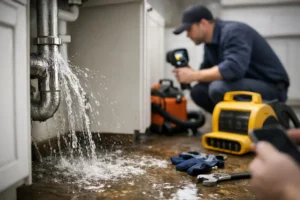

Smart Leak Detection Trends for GTA Properties
A small leak behind a finished wall can become a costly restoration project long before there is a visible stain on the ceiling. That is why smart leak detection trends are getting serious attention from Greater Toronto Area homeowners, condominium managers, landlords, and commercial operators. Connected sensors and automatic shut-off devices can provide an earlier warning of water problems, but they are not a substitute for fast professional action when water has already escaped.
The best approach is practical: use technology to reduce the chance of an unnoticed leak, understand its limits, and have a clear response plan for any alert. Water can travel through floors, wall cavities, insulation, and shared building spaces quickly. The sooner the source is stopped and affected materials are dried, the better the chance of avoiding mould, structural damage, and a larger insurance claim.
Smart Leak Detection Trends That Matter Most
The most useful change is not simply that sensors are connected to an app. It is that systems are becoming more targeted, easier to install, and more capable of responding before a minor plumbing issue turns into a flood.
Point sensors are moving into high-risk spaces
Small battery-powered sensors are now commonly placed where leaks tend to start quietly: under kitchen and bathroom sinks, behind toilets, beside washing machines, near water heaters, under dishwashers, and around basement mechanical rooms. When their metal contacts detect water, they sound an alarm and send an alert to a phone.
For a homeowner, this can be particularly helpful during work hours, travel, or a weekend away. For property managers, sensors in utility closets, vacant suites, and common mechanical areas can add another layer of oversight. They are relatively affordable, but their coverage is limited. A sensor only detects water that reaches the exact place where it sits.
Flow monitoring is becoming more intelligent
Whole-home leak monitors are installed on the main water line and track how water moves through the property. Rather than waiting for water to reach a floor sensor, these devices look for unusual patterns, such as continuous flow overnight, an unexpectedly high volume of water, or a fixture that appears to be running longer than normal.
This technology can identify leaks that are hidden inside walls or below floors, where point sensors may never be triggered. Some systems learn a building’s typical water-use pattern over time, which can reduce false alarms. Still, the results depend on proper installation and configuration. A busy household, a property with irrigation, or a commercial facility with variable water use may require more careful calibration.
Automatic shut-off valves offer faster intervention
One of the most significant smart leak detection trends is the growing use of automatic shut-off valves. When a compatible monitor identifies a major or ongoing leak, it can close the property’s water supply automatically or prompt the owner to approve shut-off through an app.
This can be a powerful safeguard when a pipe bursts while nobody is home. It may limit the volume of water released, which can make a meaningful difference to flooring, contents, and the suites below in a condominium building.
There are trade-offs. An automatic shut-off valve must be correctly sized, professionally installed, and maintained. Building operators also need to consider what happens if water is shut off during business hours, in a multi-unit property, or where certain life-safety and fire-protection systems are involved. A device should never be installed in a way that compromises required building systems.
Alerts are being integrated with property management
For larger residential and commercial properties, leak alerts are increasingly being routed to more than one person. A superintendent, property manager, maintenance contact, and after-hours emergency contact may all receive notification. This reduces the risk that an alert sits unread on one person’s phone.
The practical value comes from the response procedure behind the notification. An alert at 2 a.m. is only useful if someone knows who will attend, how to access the affected area, and when to call an emergency restoration team. Technology can identify a concern, but it cannot extract water, set drying equipment, document damage, or repair a failed pipe.
Where Smart Systems Can Fall Short
No leak detection system catches every water event. A roof leak caused by wind-driven rain may not create a plumbing-flow anomaly. A slow shower leak can travel behind tile before reaching a sensor. A drain backup, sewage overflow, appliance failure, or burst hose can spread water in an unexpected direction.
Power outages and weak Wi-Fi can also affect connected features. Battery-operated sensors need regular checks, and app notifications can be missed if contact information is out of date. In condominiums, the source of water may be in another suite or a common-area pipe, which means the affected resident may receive little warning before damage appears.
False alerts are another consideration. A sensor placed too close to normal condensation, a damp mop closet, or a frequently splashed area can create unnecessary notifications. That does not make the technology unreliable, but it does mean placement matters. The goal is not to install sensors everywhere without a plan. It is to identify realistic failure points and inspect them regularly.
How to Build a Practical Leak-Prevention Plan
Start with the property’s history. If a washing-machine hose has failed before, if a basement has a sump pump, or if older plumbing runs through finished ceilings, those areas deserve attention first. A condominium owner should also understand the boundaries between their suite responsibilities and common-element systems.
Use a combination of protection methods rather than relying on one device. Point sensors work well near appliances and fixtures. A main-line monitor may be worthwhile for a detached home, rental property, or business with a high potential cost of water damage. For properties that sit vacant at times, an automatic shut-off system can add valuable protection.
Sensors should support basic maintenance, not replace it. Check supply hoses for wear, inspect caulking around tubs and showers, clear eavestroughs, test sump pumps, and repair dripping fixtures promptly. During freezing weather, keep vulnerable plumbing protected and address signs of reduced heat or frozen pipes immediately.
For commercial spaces and multi-residential buildings, document the response plan. Identify who receives alerts, who has keys or access credentials, who can authorize water shut-off, and which emergency contacts should be called. A fast decision can prevent water from moving through multiple units, inventory areas, electrical rooms, or finished offices.
What to Do When a Leak Alert Arrives
Treat a credible alert as an investigation that cannot wait until tomorrow. If it is safe to do so, check the indicated area for active water, wet materials, dripping pipes, appliance failures, or unusual sounds. Shut off the local supply valve or main water supply if water is actively escaping and you know how to do it safely.
Do not enter areas with standing water near electrical equipment. Avoid using household vacuums on significant water, and do not assume a dry surface means the structure underneath is dry. Water trapped below flooring or behind walls can lead to swelling, odours, and mould growth if it is not addressed properly.
When the leak is substantial, a pipe has burst, or water has reached finished areas, call for emergency help right away. A professional restoration response should begin with assessing the source and extent of damage, extracting water, setting up proper drying and dehumidification, disinfecting where required, and documenting the loss for insurance. Repairs should follow only after materials have been properly dried and the affected area is safe to rebuild.
Restoration Canada provides 24/7 emergency flood and water-damage response across the GTA, with direct insurance billing available when needed. Whether an alert catches a leak early or water damage is already visible, rapid attendance and clear communication help protect both the property and the people relying on it.
Smart leak detection is most valuable when it leads to a fast, confident next step. Place the right devices in the right locations, keep a current emergency plan, and act immediately when water gives you a warning.