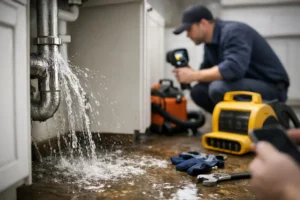

Property Flood Restoration
in Toronto: What Homeowners Must Know
Flooding changes a home fast. What determines recovery is not the amount of water — it is the speed and quality of the response. Here is everything Toronto homeowners need to know about professional flood restoration.
- Why Flooding Is a Growing Concern
- What Restoration Actually Means
- Immediate Actions After Flooding
- The Restoration Process
- Common Causes
- Costs & Insurance
- Prevention
- FAQs
If you own a home in Toronto, flooding is no longer something that feels distant or rare. Between aging infrastructure, intense rain events, sewer backups, frozen pipes, and basement water intrusion, many homeowners eventually face a difficult question: what happens after water enters your property?
Property flood restoration Toronto homeowners rely on is not simply about drying carpets or removing visible water. It is a structured recovery process designed to protect the home's structure, reduce health risks, preserve property value, and help families return to normal as quickly as possible.
Restoration professionals consistently emphasize that the first 24–72 hours are often the difference between salvageable materials and costly reconstruction.
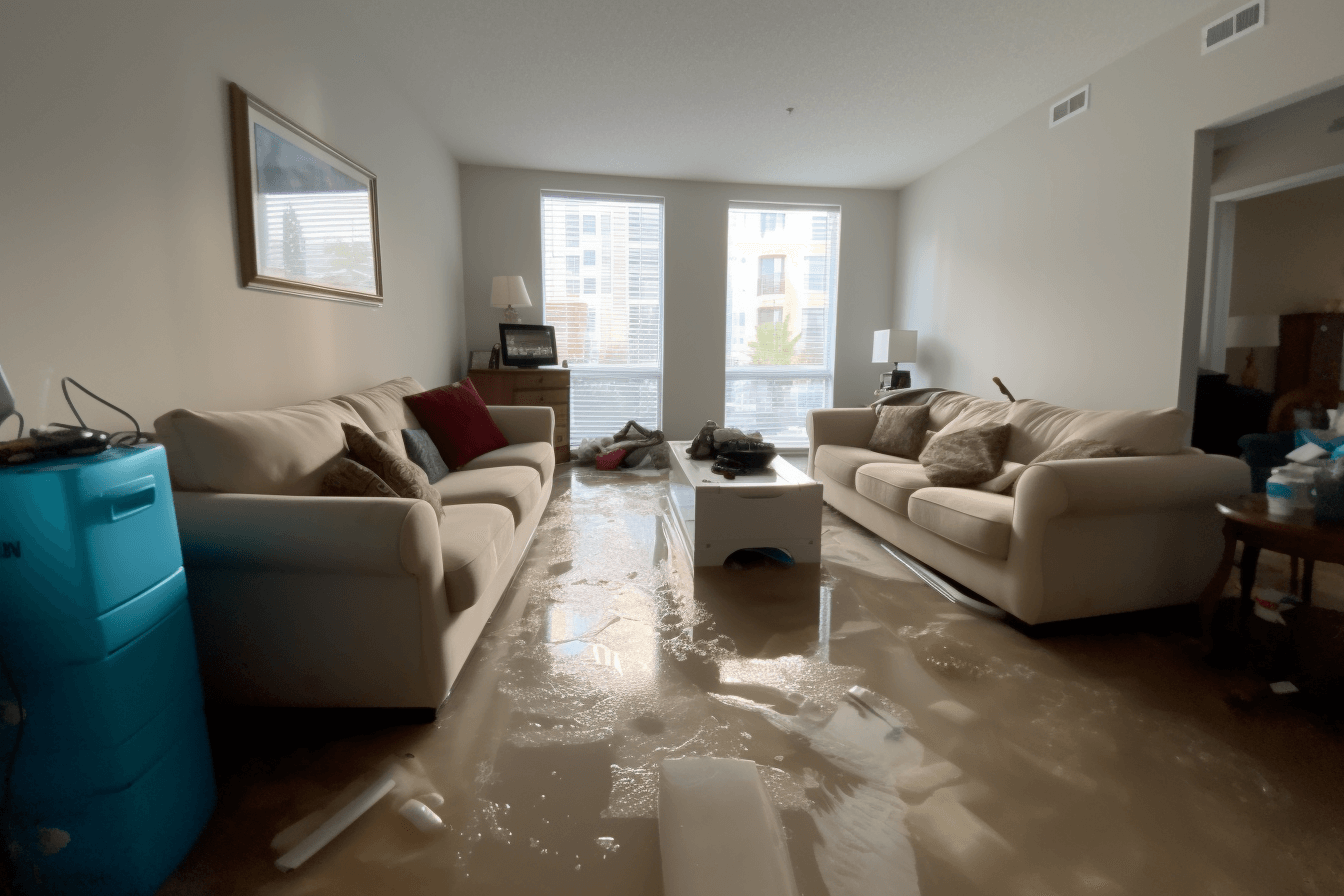
Why Flood Damage Has Become a Growing Concern in Toronto
Flood restoration is becoming one of the most critical home services in Toronto because flooding itself is becoming more disruptive, expensive, and difficult to predict. Large portions of the city still depend on older sewer infrastructure originally designed for a much lower population density and far less paved surface area than exists today.
Weather and Infrastructure Challenges
During heavy rainfall, aging systems can exceed capacity and force water back toward residential properties. Climate shifts mean short, intense storms arrive more frequently across Southern Ontario — overwhelming drainage systems and creating conditions that trigger emergency flood calls across the GTA.
Why Basement Flooding Happens So Often
The challenge is that flood damage rarely looks serious at first. A wet carpet feels manageable. Damp drywall appears cosmetic. A slight smell in the basement may seem temporary. Yet moisture travels — into flooring, insulation, framing, and hidden pockets inside walls. Restoration professionals repeatedly warn that waiting too long dramatically increases both repair complexity and overall restoration costs.
What Property Flood Restoration Actually Means
Many homeowners imagine restoration as pumping water out and replacing damaged finishes. Professional property damage restoration is far more comprehensive — the objective is to return the structure to a safe, dry, functional condition while preventing secondary damage from developing over time.
Cleanup vs Full Restoration
Cleanup and restoration are not the same thing. Cleanup removes visible water. Restoration addresses hidden moisture, structural integrity, contamination risk, and the repairs required to return a home to usable condition. A useful way to think about it: cleanup is the tip of the iceberg. Restoration addresses everything beneath the surface where long-term damage actually develops.
The Hidden Damage Most Homeowners Miss
Certified restoration teams use thermal imaging cameras, industrial dehumidifiers, and moisture meters to identify areas that remain wet even after surfaces appear dry. Without this equipment, homeowners often believe a space is dry when moisture is still trapped inside wall cavities, subfloors, and insulation — conditions that lead to mold, structural deterioration, and odor problems months later.
Immediate Actions After Discovering Flooding
The first few hours matter more than most people realize. When homeowners act quickly, more materials may be recoverable and disruptions tend to remain smaller. Here is exactly what to do in the critical first hour.
Understanding the Professional Restoration Process
Professional home flood cleanup Toronto services follow a staged methodology designed to address both visible and hidden damage systematically. Each stage has a specific purpose and builds on the one before it.
| Stage | Purpose | Typical Outcome |
|---|---|---|
| Inspection & Moisture Mapping | Determine the full extent of water migration | Detailed restoration plan |
| Water Extraction | Remove standing water rapidly | Reduce spread and secondary damage |
| Structural Drying | Eliminate trapped moisture inside materials | Structural protection, mold prevention |
| Sanitization | Treat contaminated surfaces and air | Safer occupancy conditions |
| Reconstruction | Restore finishes and structural elements | Return to full, normal use |
Assessment and Moisture Mapping
Assessment begins with technicians identifying water migration patterns using thermal imaging and moisture meters. This determines which materials can be dried in place and which require removal — a critical distinction that affects both timeline and cost.
Water Extraction and Structural Drying
Industrial extraction equipment removes standing water rapidly. Structural drying then targets deeper moisture trapped inside walls, floors, and ceilings using high-capacity dehumidifiers and air movers positioned according to recognized drying science standards.
Sanitization and Recovery
Sanitization becomes especially important when floodwater involves stormwater or sewer intrusion — both of which carry contaminants that require specialized treatment beyond simple drying. Antimicrobial applications reduce long-term risk and are standard practice for any flooding involving drainage system backup.
Flooded Property in the GTA?
Restoration Canada responds within 60 minutes — 24/7, including weekends and holidays.
Common Causes of Residential Flood Damage in Toronto
Not every flood starts with a major storm. Some of the most expensive restoration projects begin quietly — a slow appliance leak, a hairline foundation crack, or a gradual drain backup that goes unnoticed until water is already spreading through the basement.
Cost Factors and Insurance Considerations
Every homeowner asks the same question after a flood: how much will restoration cost? The answer depends less on square footage and more on timing, water source, and the extent of exposure before professional intervention began.
What Influences Restoration Pricing
Primary variables that affect the total restoration cost include the source and category of water contamination, the size of the affected area, how long materials remained wet before extraction began, what structural components require replacement, and the complexity of reconstruction needed afterward. Sewer backup situations are typically more expensive than clean water events due to the sanitization requirements involved.
Working With Insurance Providers
Many restoration providers coordinate directly with insurers and document drying progress in formats adjusters require. Homeowners benefit from confirming several key questions with their insurer immediately after a flood event:
- Is emergency mitigation covered under my current policy?
- Does my policy include sewer backup or overland flooding endorsements?
- Are temporary accommodations included if the home is uninhabitable?
- What documentation does the adjuster require before repairs begin?
- Is there a reporting window I must respect to maintain coverage eligibility?
Preventing Future Flood Emergencies
Restoration solves today's damage. Prevention protects tomorrow's investment. Think of flood prevention like routine maintenance on a vehicle — it feels optional until the day it becomes essential. Toronto homeowners commonly reduce future risk through a combination of infrastructure upgrades and consistent seasonal maintenance.
- Annual plumbing inspections to identify aging pipes before failures occur
- Sump pump testing and battery backup installation before storm season
- Downspout extensions directing water at least 1.8 metres from the foundation
- Foundation crack monitoring and sealing each spring
- Drain cleaning to prevent backup buildup in aging sewer connections
- Water leak detection devices near appliances and supply lines
- Basement waterproofing assessment for high-risk or older properties
Conclusion
Flooding changes a home fast. What determines recovery is often not the amount of water but the speed and quality of the response. For property flood restoration Toronto homeowners trust, the goal extends beyond cleanup — effective restoration identifies hidden moisture, protects structural integrity, simplifies the insurance process, and helps homeowners avoid complications that surface months later.
If your property has experienced water intrusion of any kind, early professional assessment can reduce long-term disruption and improve recovery outcomes significantly. The cost of acting fast is almost always far lower than the cost of acting late.
Request a Free Property Assessment
Not sure how much damage has actually occurred? A professional assessment identifies hidden moisture, establishes the full scope of restoration needed, and helps you understand your options — before small issues become major projects.
Frequently Asked Questions
Ideally within the first 24 hours. Moisture migrates rapidly into structural components and mold can begin developing within 24–48 hours of exposure. Early professional intervention reduces both the scope and the cost of restoration significantly.
Minor surface moisture on non-porous materials may be manageable with household fans and dehumidifiers. However, hidden moisture inside walls, subfloors, and insulation requires professional moisture meters and industrial drying equipment to detect and eliminate properly.
No. Cleanup removes visible water. Restoration is a structured process that includes moisture detection, structural drying, sanitization, and any repairs or reconstruction needed to return the property to a safe, functional condition.
Coverage depends on the source of the flooding and the specific endorsements included in your policy. Many standard policies do not automatically cover sewer backup or overland flooding — these often require separate add-on endorsements. Review your policy carefully and report damage as soon as possible.
Structural drying alone typically takes 3–5 days for moderate flood events. When reconstruction is required — replacing drywall, flooring, insulation, or cabinetry — the full restoration timeline can extend to several weeks depending on the severity and scope of damage.