
Mould After a Flood:
How Fast Does It Grow
& What to Do in Toronto
Flooding is stressful enough — but what happens after the water is gone can be even more damaging. Mould can begin forming inside your walls within 24 to 48 hours. Here is what every Toronto homeowner needs to know.
- Mould After Flooding
- Growth Timeline
- What Science Shows
- Black Mould — GTA
- Signs of Mould Growth
- What to Do Immediately
- When to Call Professionals
- Remediation Process
- Structural Risks
- Prevention Tips
- FAQs
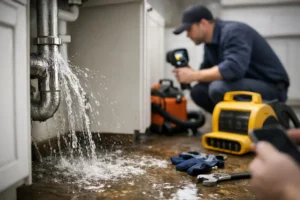
Flooding in Toronto homes is stressful enough — but what makes it worse is what happens after the water is gone. Moisture trapped in walls, floors, and insulation creates the perfect environment for mould to grow quickly. Many homeowners don't realize how fast it starts spreading until the damage is already visible and significantly more expensive to address.
Understanding the mould after flood Toronto how fast timeline and taking immediate action can save thousands in repairs and protect your family's health. This guide covers exactly what you need to know — from the first hour after flooding to when professional intervention becomes essential.
Understanding Mould After Flooding in Toronto Homes
When water enters a home — especially in basements — it doesn't just sit on the surface. It soaks into drywall, wood framing, carpet padding, and insulation. These materials act like a sponge, holding moisture long after visible water is gone. In Toronto, where many homes have finished basements, this creates an ideal environment for rapid mould development.
Why Basements in Toronto Are Especially Vulnerable
Toronto homes frequently experience seasonal flooding from heavy rain, melting snow, sump pump failures, and sewer backups. Basements are typically cooler, darker, and less ventilated than upper levels — conditions that slow drying time significantly. This combination of trapped moisture and poor airflow is exactly what accelerates mould growth after any flood event.
Mould Growth Timeline Explained
Understanding how fast mould grows after a flood is the most important piece of information a Toronto homeowner can have. Research and restoration data consistently show an extremely short window before mould begins forming inside building materials.
Mould After Flood Toronto How Fast — What Science Shows
When homeowners search for answers about mould growth timeline Toronto, the answer is consistent across environmental research and restoration science: mould can begin growing in less than two days under the right conditions. The three factors it requires are almost always present after flooding.
Conditions That Accelerate Mould Growth
Temperature and Humidity Factors in GTA Homes
Toronto homes often maintain indoor temperatures between 20–25°C, which falls squarely within the optimal range for mould growth. High humidity levels after flooding make conditions even worse. Without professional drying equipment operating continuously, moisture can remain trapped inside building materials for days — accelerating contamination far beyond what household fans can address.
Black Mould After Flooding GTA — Should You Be Worried?
Many Toronto homeowners panic when they hear the term "black mould" after a basement flood. While the concern is understandable, the reality is more nuanced — and knowing the difference matters.
Common Misconceptions About "Toxic Black Mould"
Not all dark-coloured mould is the toxic variety most people fear. However, health and environmental organizations consistently emphasize that all indoor mould should be removed regardless of type or color. The real danger after flooding is not necessarily which species of mould is present — it is the prolonged exposure to airborne spores that spreads as mould colonies grow and disturb without proper containment.
Signs Mould Is Already Growing in Your Home
Even before mould becomes visible on surfaces, your home may already show warning signs. If any of these appear within 48–72 hours after flooding, mould is likely already developing behind surfaces inside your walls, floor assemblies, or ceiling cavities.
- Musty or earthy odour that was not present before flooding
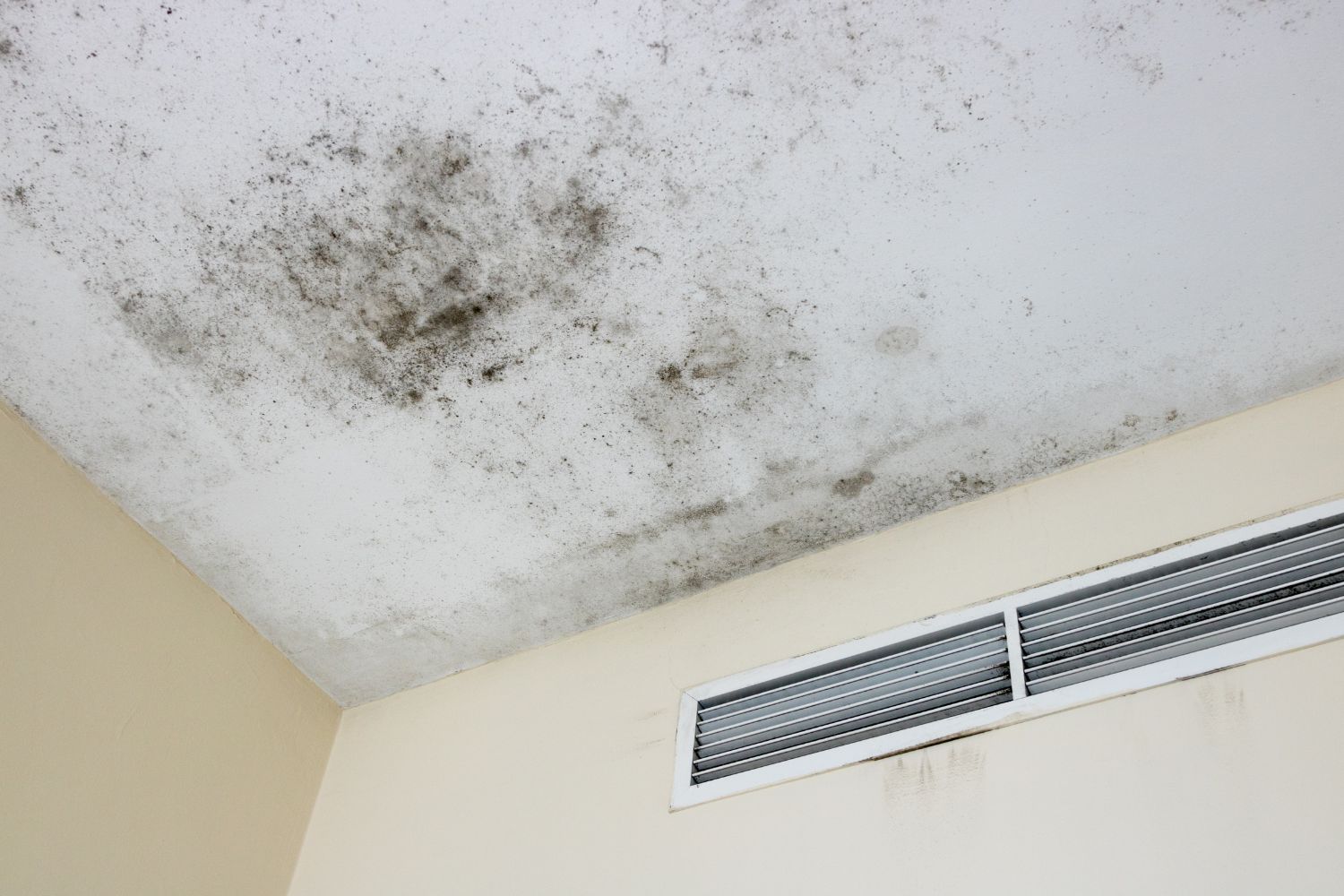
- Dark stains appearing on walls, ceilings, or baseboards
- Paint that is bubbling, peeling, or separating from the wall
- Flooring that feels soft, spongy, or shows visible warping
- Persistent elevated humidity or condensation inside the basement
- Visible spots of black, green, or white growth on any surface
Mould Suspected After a Flood?
Restoration Canada provides emergency mould assessment and remediation across the GTA — 24 hours a day, 7 days a week.
What To Do Immediately After a Flood
Time is the single most important factor after water damage. Acting within the first 24–48 hours can prevent mould entirely. Here is the priority checklist for the critical first day.
First 24 Hours Action Checklist
- Remove standing water immediately using extraction equipment or a wet-dry vacuum
- Deploy fans and dehumidifiers to begin surface airflow as quickly as possible
- Remove and discard wet carpets, rugs, and carpet padding — they cannot be effectively dried
- Open windows where weather permits to increase air circulation
- Begin drying walls and floors aggressively — target all visible moisture
- Document all damage with photos and video for insurance purposes
- Contact your insurance provider to report the event promptly
When Drying Is Not Enough
If water has entered walls, insulation, or below flooring layers, surface drying is not sufficient. Moisture trapped inside building assemblies will continue feeding mould growth even if the visible surface feels and looks dry. This is where most DIY drying efforts fail — and where professional intervention becomes critical.
Mould Removal Emergency — When to Call Professionals
If more than 24–48 hours have passed since flooding, or if water affected a large area, professional mould removal emergency response is strongly recommended. The risks of attempting DIY mould cleanup are significant and often make the problem worse.
Risks of DIY Mould Cleanup After Flooding
- Disturbing mould colonies without containment spreads spores throughout the home via air
- Hidden growth inside walls and under flooring is frequently missed without thermal imaging
- Improper drying leaves residual moisture that causes mould to return within weeks
- Consumer cleaning products rarely penetrate deep enough to eliminate growth at the source
Professional Mould Remediation Process in Toronto
Professional mould remediation is not simply cleaning visible spots. It is a structured process designed to eliminate contamination at the source, protect the rest of the home, and verify complete removal before restoration work begins.
Basement Flood Emergencies and Structural Risks
Flooding doesn't only cause mould — it weakens structural materials over time. Wooden beams, drywall, and insulation all lose integrity when repeatedly exposed to moisture. In Toronto basements, this can lead to long-term structural deterioration that significantly increases restoration costs if left unaddressed.
The combination of structural water damage and mould contamination is one of the most expensive scenarios a homeowner can face. Fast emergency response after basement flooding is the single most effective way to prevent both problems from developing simultaneously.
Prevention Tips for Future Flooding
Preventing mould starts with controlling moisture before it becomes a problem. Toronto homeowners who invest in basic flood prevention reduce both the risk of emergency flooding and the likelihood of mould development following any water intrusion event.
Conclusion
Mould after flooding in Toronto is not a slow process. Under the right conditions — and GTA basements provide most of them — mould can begin forming inside building materials within 24 to 48 hours of water exposure. Once moisture enters drywall, wood framing, or insulation, the risk increases dramatically with every passing hour.
The key to avoiding expensive mould removal emergency situations is immediate drying and fast professional intervention when needed. Ignoring early warning signs, or assuming surface dryness means the problem is resolved, routinely turns manageable water incidents into full-scale mould contamination requiring extensive remediation and reconstruction.
Flood Damage & Mould Spread Fast — Don't Wait
Get professional inspection and emergency response today to protect your home and health before the 48-hour window closes.
(416) 639-1722Available 24/7 · GTA-wide response · 60-minute dispatch
Frequently Asked Questions
Mould can begin forming within 24 to 48 hours if moisture is not removed quickly from building materials. GTA home conditions — warm indoor temperatures and limited basement ventilation — often accelerate this timeline further.
Yes. Hidden mould behind drywall is extremely common after basement flooding. Water penetrates wall assemblies rapidly and moisture can remain trapped inside for days, creating active mould growth that is not visible from the surface. Professional thermal imaging is the only reliable way to detect it.
All mould should be treated seriously and removed regardless of color. While not all dark mould is the toxic species many fear, prolonged exposure to any mould — and the spores released when colonies are disturbed — poses real health risks that worsen with time and extent of growth.
Small visible surface areas may be wiped down with appropriate cleaning solutions. However, any mould that has developed inside walls, under flooring, or in insulation requires professional remediation. DIY cleanup of larger or hidden growth commonly spreads spores and leads to recurring contamination.
Call immediately if water has been present for more than 48 hours, if the affected area exceeds a small surface patch, if any musty odor is present, or if you suspect moisture has entered walls or flooring. The sooner professional drying and assessment begins, the lower the total remediation cost.