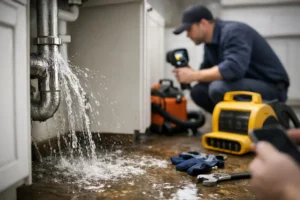

Why the First Hour Matters More Than You Think
When you discover water pooling in your basement, your first instinct might be panic—and honestly, that’s completely normal. But here’s the truth: the first hour is everything. What you do (or don’t do) in those first 60 minutes can determine whether you’re dealing with a manageable cleanup or a full-blown disaster costing thousands of dollars.
Basement flooding in Toronto is not rare. Heavy rainfall, snowmelt, and overwhelmed sewer systems are common triggers. According to the City of Toronto, even homes that have never flooded before are still at risk due to overloaded drainage systems and sewer backups . That means no one is truly “safe” from it. And when it happens, time becomes your biggest enemy.
The Hidden Risks of Basement Flooding
Floodwater isn’t just water—it can carry contaminants, bacteria, and even sewage. That means exposure isn’t just unpleasant, it can be dangerous. Electrical hazards are another serious concern, especially if water reaches outlets or electrical panels. Imagine stepping into water that’s quietly energized—it’s a risk you simply cannot take.
Beyond safety, there’s structural damage. Water seeps into walls, flooring, and insulation quickly. Within hours, materials begin to weaken. Within a day or two, mold can start forming. Yes, mold can begin growing in as little as 24 to 48 hours, which is why immediate action is critical.
How Fast Damage Spreads
Think of water like a silent invader. It doesn’t just stay where you see it—it spreads underneath floors, behind walls, and into hidden spaces. The longer it sits, the deeper it penetrates. A small puddle can turn into warped flooring, ruined drywall, and expensive repairs faster than you’d expect.
So the question becomes: what should you actually do in that first hour? Let’s break it down step by step.
Step 1 – Ensure Immediate Safety
Before you even think about saving belongings or cleaning water, you need to ask yourself one thing: Is it safe to enter the basement?
Electricity and Water: A Dangerous Combination
Water and electricity together are extremely dangerous. If the water level is anywhere near outlets, appliances, or your electrical panel, do not step into it. The City of Toronto specifically advises shutting off power or contacting utilities to prevent electrocution risks .
If you can safely access your breaker from a dry area, turn off electricity immediately. If not, stay out and call a professional. This is not the moment to be brave—it’s the moment to be smart.
When to Leave the Basement Immediately
If you smell gas, notice sparks, or suspect sewage contamination, leave the area right away. These are not situations you can handle alone. Your safety always comes before property.
Step 2 – Stop the Source of Water
Once it’s safe, your next move is to stop the water at its source—if possible.
Identifying the Cause Quickly
Is the water coming from a burst pipe? A leaking appliance? Or is it entering from outside due to heavy rain? Each scenario requires a different response. If it’s a plumbing issue, shut off your home’s main water valve immediately.
What If It’s a Sewer Backup?
Here’s where things get tricky. If water is coming up from drains, it’s likely a sewer backup. In that case, do not use sinks, toilets, or any plumbing fixtures. Sending more water down can make the situation worse .
Step 3 – Call for Emergency Help
You might be tempted to handle everything yourself, but sometimes the smartest move is calling professionals immediately.
When to Call a Professional
If water levels are rising quickly, exceed a few inches, or involve contaminated water, it’s time to call a water damage emergency Toronto service. Professional teams have industrial pumps and drying equipment that can remove water far faster than DIY methods.
Emergency Services in Toronto
The City recommends contacting 311 to report flooding so authorities can assess the issue . At the same time, reaching out to restoration experts ensures faster damage control.
👉 Need immediate help?
- https://restorationcanada.ca/basement-flood-emergencies/
- https://restorationcanada.ca/water-damage-restoration/
Call now to prevent further damage—every minute counts. 416-639-1722
Step 4 – Document Everything for Insurance
This step is often overlooked—but it can save you thousands.
What Photos You Need
Before moving anything, take clear photos and videos of:
- Water levels
- Damaged furniture
- Walls and flooring
- Appliances
These serve as proof for your insurance claim.
Why Timing Matters for Claims
Insurance companies want evidence of the original damage. If you start cleaning before documenting, you might lose part of your claim. Acting fast—but smart—makes all the difference.
Step 5 – Remove Water (If Safe)
Now comes the action phase—getting that water out.
Tools You Can Use Immediately
If the water level is low, you can start with:
- Buckets
- Mops
- Wet/dry vacuums
For deeper water, submersible pumps are far more effective. Quick removal is key because standing water accelerates damage and mold growth.
When DIY Is Not Enough
If water exceeds a few inches or covers a large area, professionals can pump out hundreds of gallons per minute—something no household tool can match.
Step 6 – Protect Your Belongings
Think of this as a rescue mission.
What to Save First
Prioritize:
- Electronics
- Important documents
- Sentimental items
Move them to a dry, safe area immediately.
Items You Should Discard
Unfortunately, some items can’t be saved—especially if contaminated by sewage. Mattresses, carpets, and porous materials often need to go for health reasons.
Step 7 – Prevent Mold Growth Early
Here’s the race against time.
The 24–48 Hour Window
Mold doesn’t wait. It can begin forming within 24–48 hours of water exposure. That’s why drying must start immediately.
Quick Drying Techniques
Use:
- Fans
- Dehumidifiers
- Open windows (if weather allows)
The goal is to reduce moisture as fast as possible.
Common Causes of Basement Flood Toronto
| Cause | Description |
|---|---|
| Heavy rainfall | Overwhelms sewer systems |
| Sewer backups | Blocked or overloaded pipes |
| Foundation cracks | Allows water seepage |
| Sump pump failure | Stops water removal |
| Poor drainage | Water flows toward home |
Toronto’s infrastructure can struggle during extreme weather, making flooding a recurring issue for many homeowners .
Professional Water Damage Emergency Toronto Services
Handling a flooded basement isn’t just about removing water—it’s about restoring your home safely. Professional services offer:
- Industrial-grade drying equipment
- Mold prevention treatments
- Structural drying
- Insurance assistance
Trying to handle everything alone can lead to hidden moisture, which later turns into mold or structural damage.
Call Now – Emergency Basement Flood Help in Toronto
If you’re facing a basement flood Toronto situation, don’t wait. The longer water sits, the worse the damage becomes.
👉 Immediate help available:
- https://restorationcanada.ca/basement-flood-emergencies/
- https://restorationcanada.ca/water-damage-restoration/
Call now and get expert help within minutes. 416-639-1722
Conclusion
A flooded basement can feel overwhelming, but the first hour is your opportunity to take control. Focus on safety, stop the source, document everything, and act quickly to remove water. Every decision you make during that critical window impacts the outcome—whether it’s minor repairs or major restoration.
Think of it like a fire—you wouldn’t ignore it and hope it goes away. Water damage is just as destructive, just quieter. Act fast, stay safe, and don’t hesitate to call professionals when needed.
FAQs
1. What is the first thing to do in a flooded basement in Toronto?
Turn off electricity if safe and avoid entering standing water. Safety always comes first.
2. Should I call insurance immediately after a basement flood?
Yes, report the damage as soon as possible and document everything with photos.
3. Can I clean a flooded basement myself?
You can handle minor flooding, but larger or contaminated floods require professional help.
4. How fast does mold grow after flooding?
Mold can begin growing within 24–48 hours, so drying should start immediately.
5. Who should I call for a water damage emergency in Toronto?
A professional restoration company specializing in emergency flood response is your best option.
 Call Us 24/7 at 416-639-1722 for immediate water damage help
 Visit Restoration Canada to learn more
  Proudly serving Toronto and GTA area