
The Sewage Backup Cleanup Process, Step by Step
A sewage backup can turn a finished basement, bathroom, office, or retail space into a health concern within minutes. The sewage backup cleanup process is not a standard water removal job. Wastewater may carry bacteria, viruses, parasites, and contaminants that can soak into flooring, drywall, insulation, furniture, and stored belongings. The right response protects the people in the building first, then prevents contamination from spreading further.
If sewage has entered your property, keep people and pets away from the affected area, avoid touching contaminated materials, and call for professional help immediately. Fast containment and proper cleaning can make a major difference to the scope of repairs, the condition of your contents, and the strength of your insurance claim.
First, make the area safe
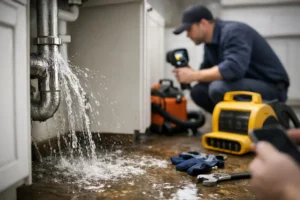
A backup may come from a blocked sanitary line, overwhelmed municipal sewers after heavy rain, a failed sump system, or a plumbing issue inside the building. Regardless of the cause, water that has backed up through a drain, toilet, or sewer connection should be treated as contaminated until a qualified team has assessed it.
Do not walk through the affected water if you can avoid it. Keep children, tenants, customers, and pets out of the space. If it is safe to do so without entering contaminated water, turn off electrical power to the affected area. Do not use a household vacuum, mop, fan, or shop vacuum to clean sewage. These tools can spread contaminants into other rooms or aerosolize particles into the air.
If the backup is still active, stop using plumbing fixtures in the property. Flushing toilets, running laundry, or draining sinks may add more water to an already blocked line. A plumber may be needed to correct the source, while a restoration team manages the contamination, drying, removal, and repairs that follow.
The sewage backup cleanup process begins with containment
Professional crews begin by identifying where contamination has travelled and separating the affected area from clean portions of the property. This may involve setting up barriers, controlling access, and using specialized air management equipment where conditions require it. Technicians wear appropriate personal protective equipment because this work involves more than visible dirt or standing water.
The initial assessment documents the source of loss, the affected materials, moisture migration, and visible damage. Photos, readings, and detailed notes are valuable for planning the work and supporting an insurance claim. For condominium residents and commercial tenants, the assessment can also help clarify what may involve the unit, common elements, the landlord, or building management.
At this stage, decisions are made about what can be cleaned and what needs to be removed. The answer depends on the material, how long it was exposed, and whether contamination has penetrated below the surface. Non-porous materials such as some metal, glass, and hard plastic items can often be disinfected successfully. Porous items such as carpet, underpad, insulation, particleboard furniture, cardboard boxes, and many upholstered contents often cannot be restored safely after sewage exposure.
Why affected materials are often removed
Drying alone does not make sewage-contaminated materials safe. Carpet padding can hold contaminants even when the surface looks clean. Drywall can wick wastewater upward behind baseboards. Wet insulation may trap moisture and create conditions for mould growth after the visible water is gone.
A proper cleanup may require removing affected flooring, lower sections of drywall, insulation, baseboards, cabinetry components, and damaged contents. This can feel disruptive, particularly in a finished basement or operating business, but selective demolition is often what allows the underlying structure to be cleaned, dried, and rebuilt correctly.
Extraction, cleaning, and disinfection
Once the area is contained, crews remove standing wastewater using commercial extraction equipment. They then remove unsalvageable materials and clean exposed structural surfaces. This work is methodical because contamination can travel farther than the water line. It may be present behind walls, beneath flooring, in floor drains, and around stored items.
After physical debris and contamination are removed, technicians apply professional cleaning and disinfecting methods suited to the affected surfaces. The goal is to clean first, then disinfect. Applying disinfectant over dirt, sewage residue, or saturated materials is not an effective restoration strategy.
Contents require individual decisions. Some hard goods may be cleaned, disinfected, and returned to the property. Documents, electronics, textiles, and sentimental items need careful handling because the best option depends on the degree of contamination and the item’s construction. When storage is needed during repairs, items should be documented and handled in a way that keeps clean and contaminated contents separate.
Drying is still essential after sewage removal
Even after contaminated materials are removed and surfaces are disinfected, trapped moisture can remain in framing, concrete, subfloors, and adjacent rooms. Professional drying equipment and moisture monitoring are used to bring affected materials back to appropriate drying targets.
This stage is especially important in basements, where moisture can linger behind finished walls and under flooring. A property may look dry while building materials remain damp. Leaving that moisture in place increases the risk of odours, material deterioration, and mould growth.
Drying time varies. A small, contained backup may be stabilized relatively quickly, while a larger event involving multiple rooms, finished basement materials, or commercial inventory can require a longer process. The source of the backup, the construction of the building, humidity levels, and how quickly the issue was reported all affect the timeline.
Repairs restore the property, not just the surface
After the property is clean, disinfected, and dry, reconstruction can begin. This may include replacing insulation and drywall, reinstalling baseboards, repairing flooring, painting, rebuilding cabinetry, and restoring other finished areas removed during remediation.
The best restoration plans coordinate mitigation and repairs from the beginning. That reduces gaps between emergency cleanup and reconstruction, helps maintain clear documentation, and gives property owners one accountable team throughout the project. Restoration Canada can manage the emergency response, detailed cleanup, drying, repairs, and communication needed to return a damaged space to a safe, finished condition.
For businesses and multi-unit properties, repairs may need to be phased around operations, tenant access, security requirements, or building rules. In these situations, the fastest possible repair is not always the only priority. A practical plan balances health and safety, business continuity, approved scope of work, and long-term durability.
Insurance documentation and what to expect
Many sewer backup claims are handled through property insurance, but coverage depends on the policy, endorsements, cause of loss, limits, and deductible. Do not assume every policy provides the same protection. Sewer backup coverage is often separate from standard water damage coverage, and condominium policies may work differently from homeowner or commercial policies.
Document the event as soon as possible. Take photos or video from a safe location, note the time you discovered the backup, and keep records of conversations with your insurer, property manager, plumber, and restoration provider. Do not discard damaged items until your insurer or restoration professional has documented them, unless they present an immediate health or safety hazard.
A restoration contractor can provide photos, moisture records, scope details, and invoices that support the claim. Direct insurance billing may also be available, which can reduce paperwork during an already stressful situation. Your insurer remains responsible for coverage decisions, but clear documentation helps keep the process moving.
When can you return to the affected space?
The affected area should remain restricted until contaminated materials have been removed, surfaces have been properly cleaned and disinfected, and drying has been verified. If reconstruction is required, the room may not be usable until repairs are complete. For a basement recreation room, that may be inconvenient. For a restaurant kitchen, medical office, or tenant suite, it can affect daily operations and may require a more detailed reopening plan.
Do not rely on smell alone to judge whether cleanup is complete. A lack of odour does not confirm that hidden materials are dry or that contamination has been fully addressed. Ask your restoration team what was removed, what was cleaned, how drying was monitored, and what repairs remain.
A sewage backup is personal because it affects the place where you live, work, or care for others. Acting quickly, keeping the area isolated, and bringing in qualified help gives your property the best chance of a safe recovery. The next call you make can turn a worsening emergency into a controlled restoration plan.