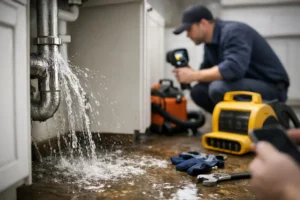

Basement Flood Cleanup Service When Every Minute Counts
A flooded basement can change from a frustrating mess to a serious property loss in a matter of hours. Whether the cause is a burst pipe, heavy rainfall, a failed sump pump, foundation seepage, or a sewage backup, a professional basement flood cleanup service helps protect the parts of your home or building you cannot always see – framing, insulation, subflooring, electrical systems, and indoor air quality.
For Greater Toronto Area property owners and managers, the first priority is not simply getting standing water off the floor. It is stopping the source where possible, making the area safe, documenting the damage, and beginning controlled drying before moisture has time to travel further into the structure.
What to Do Before a Basement Flood Cleanup Service Arrives
If water is actively entering the basement, avoid walking through it until you know the electrical area is safe. Do not touch outlets, appliances, extension cords, or electrical panels if they may have been exposed to water. If you can safely reach the main water shutoff and the flood is caused by plumbing, turn off the supply. For a suspected sewage backup, keep people and pets out of the affected area completely.
Move dry, valuable items only if doing so does not put you at risk. Photographs and short videos taken from a safe location can be useful for an insurance claim, especially before water extraction begins. Avoid throwing away damaged materials until the loss has been documented, unless they pose an immediate health concern.
It may be tempting to open every window or run household fans. That can help in a small, clean-water spill, but it is not a replacement for professional drying equipment or moisture testing. In humid weather, open windows can introduce more moisture. If contaminated water is involved, fans may also spread odours and airborne contaminants into other areas.
Why Fast Action Matters After Basement Flooding
Water does not stay where it first appears. It can wick up drywall, soak into baseboards and insulation, migrate beneath flooring, and enter cavities behind finished walls. A basement that looks dry on the surface may still hold enough moisture to cause swelling, staining, odours, deterioration, or mould growth.
The type of water also affects the cleanup plan. Clean water from a supply line often allows more materials to be saved if addressed quickly. Water from an overflowing appliance or rainwater that has travelled through building materials may require more extensive cleaning and removal. Sewage, toilet overflows, and water that has entered from outside can contain bacteria and other contaminants. These situations require controlled removal, disinfection, and proper disposal of affected porous materials.
For condominium residents, water can also affect neighbouring suites, common areas, and building systems. Property managers need a clear record of the source, affected locations, mitigation work, and any repairs required. Commercial properties face added concerns around tenant disruption, inventory, equipment, and reopening safely. The right response is always shaped by the source of the water, how long it has been present, and what it has contacted.
What a Professional Basement Flood Cleanup Service Includes
A reliable restoration team should take ownership of the problem from emergency mitigation through to completed repairs. The work generally follows four connected stages.
1. Emergency response and site safety
The team identifies immediate hazards, including electrical exposure, contaminated water, unstable materials, and restricted access. They assess the apparent source of the flood and take steps to limit further damage when possible. In an active emergency, rapid attendance matters. Restoration Canada provides 24/7 support across the GTA and aims for on-site response within 30 to 60 minutes when conditions and location allow.
2. Damage assessment and documentation
A proper assessment goes beyond the visible waterline. Technicians inspect walls, flooring, insulation, trim, contents, and concealed areas with moisture-detection equipment. This creates a drying plan based on actual conditions rather than guesswork.
The assessment also supports insurance communication. Clear photographs, readings, itemized damage records, and scope details can make the claims process more manageable. If your policy covers the loss, direct insurance billing may reduce one burden at a time when you are already managing a disruptive event.
3. Water removal, cleaning, and structural drying
High-capacity extraction equipment removes standing water from floors, carpets, and other affected surfaces. Depending on the contamination level and the materials involved, crews may remove wet carpet, underpad, damaged drywall, insulation, or cabinetry that cannot be safely restored.
After extraction, industrial air movers and dehumidifiers begin the controlled drying phase. This is not a set-it-and-forget-it process. Technicians monitor humidity and moisture levels over several days, adjusting equipment and confirming that structural materials are dry to an acceptable target. Antimicrobial cleaning and odour control are completed where appropriate, particularly after a sewage backup or prolonged moisture exposure.
4. Repair and restoration
Mitigation prevents the loss from becoming worse. Restoration makes the space usable again. Once drying is verified, repairs can include replacing insulation and drywall, rebuilding trim, restoring flooring, repainting, repairing damaged fixtures, and addressing affected basement finishes.
This end-to-end approach matters because a basement should not be left half-open, dusty, and unusable after the emergency crews leave. A single accountable team can coordinate cleanup, contents handling, repairs, and communication from the first call through the final walkthrough.
Can You Clean Up a Flooded Basement Yourself?
For a small amount of clean water from a contained source, you may be able to remove the water, dry the area promptly, and monitor for signs of damage. This is more realistic when the floor is non-porous, the water was present briefly, no electrical system was affected, and moisture has not reached walls, flooring, or stored belongings.
Professional help is the safer choice when the water is more than a minor spill, the source is unknown, the water is dirty or sewage-affected, or the basement has finished materials. It is also wise to call when water has been present for more than a few hours, there is a persistent damp smell, or you can see bubbling paint, warped flooring, stained drywall, or mould.
Shop vacuums and household dehumidifiers have limits. They rarely remove moisture trapped beneath flooring or inside wall cavities, and they cannot provide the documented drying verification that may be needed for an insurance claim. The cost of proper mitigation can be far less than the cost of rebuilding after hidden moisture has caused a secondary problem.
Questions to Ask Before You Authorize Cleanup
During a stressful emergency, it is reasonable to ask who will be responsible for each stage of the work. Confirm whether the company provides emergency extraction, moisture monitoring, disinfection, contents handling, repairs, and insurance documentation. Ask how often you will receive updates and whether the same team will manage the project through reconstruction.
You should also ask what materials can be saved and what needs to be removed. The answer should not be automatic. Some hardwood, tile, concrete, and non-porous contents may be recoverable with prompt action. Saturated insulation, particleboard furniture, carpet underpad, and sewage-contaminated porous materials often require removal for health and safety reasons.
Preventing the Next Basement Flood
Once your basement is dry and restored, address the reason water entered in the first place. A plumber may need to inspect a failed pipe, drain connection, or sump pump. Exterior grading, eavestrough drainage, window wells, foundation cracks, and waterproofing conditions may also need attention. If sewage backup was involved, discuss backwater valve options and municipal requirements with a qualified professional.
Keep stored belongings raised off the basement floor where practical, especially in areas with previous water issues. Test sump pumps before heavy-rain seasons and consider a battery backup if a power outage could leave the pump unable to operate. Property managers should also maintain clear emergency contacts and incident procedures for tenants and staff.
A basement flood is personal, whether it affects a family rec room, a tenant’s storage, a finished rental suite, or a business’s operations. Call for help as soon as you see the problem, keep the area safe, and let a qualified restoration team handle the work needed to bring the space back with care.