Understanding Water Damage and Why It Matters
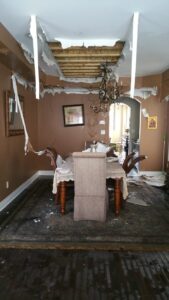
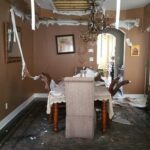
Water damage has a sneaky way of turning a small inconvenience into a full-blown disaster. One minute you’re dealing with a minor leak under the sink, and the next, your flooring is warped, your walls are stained, and there’s a lingering musty smell that just won’t go away. It’s not just about aesthetics either—water damage can weaken your home’s structure and create health risks, especially when mold begins to grow. That’s why understanding the difference between water damage cleanup, water mitigation, and water remediation is more than just industry jargon—it’s essential knowledge for homeowners and business owners alike.
When water enters a property, time becomes your biggest enemy. According to industry insights, mold can begin forming within 24 to 48 hours if moisture isn’t properly addressed . That means delays in action can escalate repair costs dramatically. What might have been a simple fix can quickly evolve into a major renovation project involving drywall replacement, flooring reconstruction, and even structural repairs. The faster you respond, the better your chances of minimizing both damage and expenses.
The confusion often starts with terminology. People use terms like “cleanup,” “mitigation,” and “remediation” interchangeably, but they actually represent different stages of the recovery process. Think of it like dealing with a fire: first, you stop the flames, then you clean up the mess, and finally, you rebuild what was lost. Water damage works in a similar sequence, and understanding that sequence can save you thousands of dollars and a lot of stress.
Common Causes of Water Damage
Water damage doesn’t discriminate—it can happen in any property, at any time. From natural disasters to simple plumbing issues, the causes are surprisingly diverse. Burst pipes, leaking roofs, faulty appliances, and even clogged gutters can all lead to significant water intrusion. Weather-related events like heavy rain or flooding are also major contributors, especially in regions prone to storms or poor drainage systems.
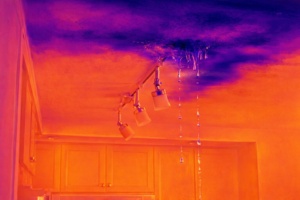
What’s interesting is that many water damage incidents actually start small. A slow leak behind a wall or under a floor can go unnoticed for weeks or even months. By the time visible signs appear, the damage is often extensive. This is why early detection and immediate action are critical. Water doesn’t just sit still—it spreads, seeps, and saturates materials quickly, making the situation worse with every passing hour.
The Real Cost of Ignoring Water Damage
Ignoring water damage is like ignoring a ticking time bomb. The longer you wait, the more expensive and complicated the repairs become. On average, water mitigation costs can range from $1,300 to $5,200, while full restoration can climb as high as $50,000 or more depending on severity . That’s a massive difference, and it highlights why acting early is so important.
Beyond financial costs, there are health risks to consider. Mold growth can trigger respiratory issues, allergies, and other health problems, especially for children and the elderly. Structural damage is another concern—water can weaken wood, corrode metal, and compromise the integrity of your home. In extreme cases, it can even lead to partial collapses.
What Is Water Mitigation?
Water mitigation is the first line of defense when disaster strikes. It’s all about stopping the damage from getting worse. Imagine your home is flooding—before you even think about repairs, you need to stop the water, remove it, and dry everything out. That’s exactly what water mitigation does.
According to experts, water mitigation focuses on preventing further damage and stabilizing the property immediately after a water event . It’s not about fixing what’s broken yet—it’s about making sure things don’t get worse. This distinction is crucial because many people assume mitigation includes repairs, but it doesn’t. It’s more like damage control.
Key Goals of Water Mitigation
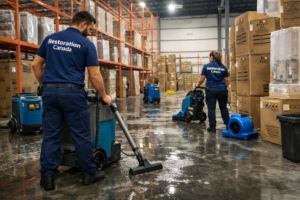
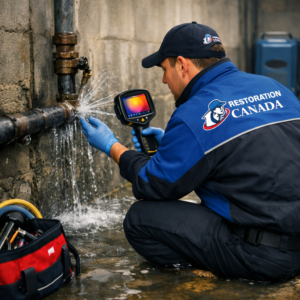
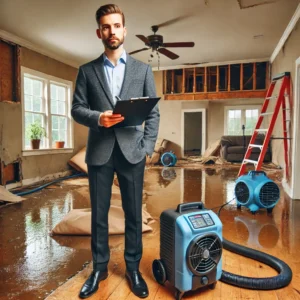
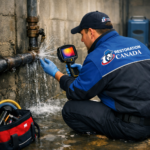
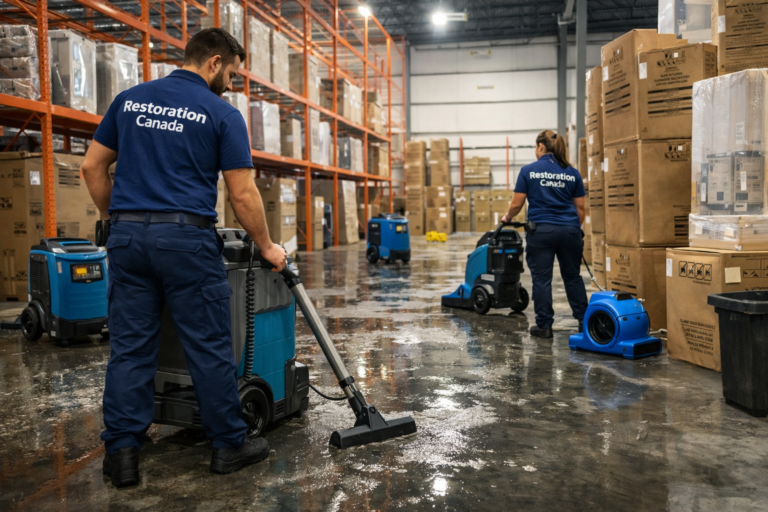
The primary goal of water mitigation is simple: limit the spread of water and reduce its impact. This involves identifying the source of the water, stopping it if possible, and removing any standing water from the affected areas. It also includes drying out the property using industrial equipment like fans and dehumidifiers.
Another key objective is preventing secondary damage, such as mold growth or structural weakening. Water can seep into walls, floors, and insulation, creating hidden pockets of moisture that can cause long-term issues. Mitigation aims to address these problems before they escalate.
Steps Involved in Water Mitigation
Water mitigation is a multi-step process that requires speed and precision. Here’s what typically happens:
- Inspection and assessment of the damage
- Water extraction using pumps and vacuums
- Drying and dehumidification
- Removal of damaged materials like carpets or furniture
- Disinfection and sanitation
These steps are designed to stabilize the environment and prepare it for the next phase—cleanup and restoration. It’s worth noting that mitigation is often considered an emergency service, meaning professionals are usually available 24/7 to respond quickly.
What Is Water Damage Cleanup?
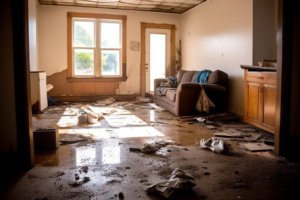
Water damage cleanup is where things start to look normal again. While mitigation focuses on stopping the problem, cleanup is about removing the mess left behind. This includes cleaning, sanitizing, and preparing the space for repairs.
Many people confuse cleanup with mitigation, but they’re not the same. Cleanup happens after the immediate threat has been controlled. It’s the stage where professionals deal with debris, гряз, and contamination caused by the water.
How Cleanup Differs from Mitigation
The key difference lies in timing and purpose. Mitigation is urgent and preventative, while cleanup is restorative. Think of mitigation as putting out a fire and cleanup as clearing the smoke damage afterward. Both are essential, but they serve different roles.
Cleanup often involves more detailed work, such as removing damaged drywall, cleaning surfaces, and ensuring the area is safe for rebuilding. It’s less about emergency response and more about thorough recovery.
Typical Water Damage Cleanup Process
The cleanup process can vary depending on the severity of the damage, but it generally includes:
- Removing debris and damaged materials
- Cleaning and disinfecting affected areas
- Odor removal
- Preparing surfaces for repair or replacement
This stage is crucial for preventing long-term issues like mold and bacteria growth. It also sets the foundation for water remediation, which takes the process a step further.
What Is Water Remediation?
Water remediation is the final step in the water damage recovery process. If mitigation is about stopping the damage and cleanup is about removing the mess, remediation is about restoring your property to its original condition.
According to recent data, water remediation can cost around $4,000 on average, with higher costs for extensive damage . This stage often involves rebuilding parts of the property, replacing materials, and ensuring everything is safe and functional again.
How Remediation Fits Into the Process
Remediation comes after mitigation and cleanup. It’s the stage where the real transformation happens. Walls are rebuilt, floors are replaced, and the property starts to look like it did before the damage occurred.
This phase is less urgent than mitigation but more complex. It requires skilled professionals who can handle construction, repairs, and inspections.
Mold and Structural Repairs in Remediation
One of the most important aspects of remediation is dealing with mold. If moisture wasn’t completely removed during mitigation, mold can develop quickly. Remediation includes mold removal, air quality testing, and structural repairs to ensure the property is safe.
Key Differences Between Water Mitigation and Cleanup
Timing and Urgency
Water mitigation happens immediately after a water event, while cleanup follows once the situation is under control. Mitigation is urgent; cleanup is necessary but less time-sensitive.
Scope of Work
Mitigation focuses on prevention, while cleanup focuses on removal and preparation. Remediation goes even further by restoring the property.
When Do You Need Each Service?
Emergency Situations
If your home is flooding or has a major leak, you need water mitigation immediately. This is not the time to hesitate—every minute counts.
Post-Damage Restoration Needs
Once the water is gone and the area is dry, cleanup and remediation come into play. These services ensure your property is safe, clean, and livable again.
Why Professional Water Damage Services Matter
Risks of DIY Water Damage Cleanup
Trying to handle water damage on your own might seem like a cost-saving move, but it can backfire. Without proper equipment, it’s nearly impossible to remove all moisture, which can lead to mold and structural issues.
Benefits of Hiring Experts
Professionals have the tools, experience, and training to handle water damage effectively. They can identify hidden moisture, prevent further damage, and ensure a thorough recovery.
How to Choose the Right Water Damage Service
What to Look for in a Company
Look for certified professionals with experience in both mitigation and remediation. Check reviews, ask for references, and ensure they offer emergency services.
Questions to Ask Before Hiring
Ask about their process, timeline, and costs. Make sure they provide a detailed plan and clear communication throughout the project.
Preventing Future Water Damage
Maintenance Tips
Regular inspections, proper drainage, and timely repairs can help prevent water damage. Simple like cleaning gutters and checking pipes can make a big difference.
Early Warning Signs
Watch for signs like water stains, musty odors, and peeling paint. Catching these early can save you from major headaches later.
Conclusion
Understanding the difference between water damage cleanup, water mitigation, and water remediation
isn’t just helpful—it’s essential. Each process plays a unique role in protecting your property and restoring it after damage. Mitigation stops the problem, cleanup clears the mess, and remediation brings everything back to life. Knowing when and how to use each service can save you time, money, and stress.
FAQs
1. Is water mitigation the same as water damage cleanup?
No, mitigation focuses on preventing further damage, while cleanup involves removing debris and sanitizing the area.
2. How quickly should water mitigation start?
Immediately—delays can lead to mold growth within 24–48 hours.
3. Can I handle water damage cleanup myself?
Small issues might be manageable, but large-scale damage requires professional services.
4. What comes after water mitigation?
Cleanup and then remediation, which restores the property to its original condition.
5. How much does water remediation cost?
On average, around $4,000, but it can be higher depending on the extent of damage.
 Call Us 24/7 at 416-639-1722 for immediate water damage help
 Visit Restoration Canada to learn more
  Proudly serving Toronto and GTA area