What Causes a Pipe Burst?
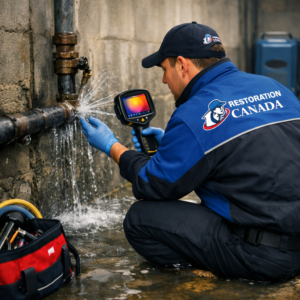
A pipe burst is one of those home emergencies that seems to happen out of nowhere—but in reality, it often builds up quietly behind the scenes. Pipes don’t just explode randomly; there’s always a reason. The most common culprit is pressure buildup, especially when water freezes inside pipes and expands. Over time, this pressure weakens the pipe walls until they crack or rupture completely. Aging infrastructure is another major factor, as older pipes tend to corrode and become fragile, making them more vulnerable to sudden failure.
External factors also play a role. Shifting soil, construction vibrations, or even tree roots growing near underground pipes can create stress points that lead to a break. Sometimes, it’s simply poor installation or low-quality materials that give out under everyday use. Think of your plumbing system like a chain—only as strong as its weakest link. When one section fails, water doesn’t just leak—it rushes out uncontrollably, causing immediate chaos.
Understanding these causes is the first step in effective water damage mitigation. If you know why pipes burst, you can act faster and smarter when it happens. Instead of panicking, you’ll already have a mental checklist of what might be happening and what to do next.
Warning Signs Before a Pipe Bursts
Believe it or not, your home often whispers warnings before a full-blown pipe burst occurs. The trick is knowing how to listen. One of the earliest signs is a sudden drop in water pressure. If your shower feels weaker than usual or faucets aren’t flowing normally, it could indicate a hidden crack or blockage.
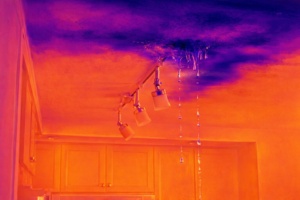
Strange noises are another clue. Banging, clanking, or whistling sounds in your pipes—often called “water hammer”—suggest pressure issues that could escalate into a burst. You might also notice damp spots on walls or ceilings, unexplained puddles, or even a musty smell that hints at hidden leaks. These are all red flags that shouldn’t be ignored.
Temperature changes can also signal trouble. If certain pipes feel unusually cold or are exposed to freezing conditions, they’re at higher risk. Think of it like a ticking time bomb—small signs building up to a bigger problem. Catching these warnings early can save you from the nightmare of extensive water damage cleanup later on.
Immediate Actions to Take After a Pipe Burst
Shut Off the Water Supply
When a pipe burst happens, every second counts. The very first thing you need to do is stop the flow of water. Locate your main water shut-off valve and turn it off immediately. This single action can drastically reduce the amount of damage and make fixing water damage far more manageable.
Most homes have the main valve in the basement, near the water meter, or outside near the foundation. If you’re unsure where yours is, it’s worth finding it now—before an emergency strikes. Turning off the water stops the flood at its source, giving you a chance to regain control of the situation.
It might feel like a small step, but it’s actually the most powerful one. Without it, you’re essentially trying to bail out a sinking boat while water keeps pouring in. Shut it off, and suddenly the problem becomes containable.
Turn Off Electricity for Safety
Water and electricity are a dangerous mix, and ignoring this can turn a stressful situation into a life-threatening one. After shutting off the water, your next move should be to cut the power in affected areas. This is especially important if water is near outlets, appliances, or electrical panels.
You don’t need to shut down your entire house—just the areas impacted by the leak. If you’re unsure or feel unsafe, it’s better to turn off the main breaker. Safety always comes first, even before water damage mitigation.
Imagine stepping into a flooded room without knowing there’s live electricity running through it—that’s a risk you simply can’t afford to take. Taking this precaution ensures that your cleanup efforts don’t put you in harm’s way.
Drain Remaining Water
Once the main supply is off, there’s still water trapped inside your pipes. Opening all faucets—both hot and cold—helps drain the remaining water and relieve pressure in the system. Flush toilets as well to empty their tanks.
This step might seem minor, but it prevents additional leaks and reduces stress on already damaged pipes. It’s like releasing pressure from a shaken soda bottle before opening it fully—controlled and safe.
By doing this, you’re actively contributing to water damage cleanup before it even begins. Every drop you remove now is one less drop soaking into your floors, walls, and belongings.
First Steps in Water Damage Mitigation
Remove Standing Water Quickly
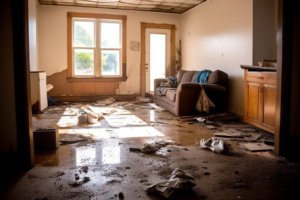
Standing water is your biggest enemy after a pipe burst. The longer it sits, the deeper it seeps into floors, walls, and furniture. Acting fast is crucial for effective water damage mitigation.
Use whatever tools you have on hand—mops, buckets, towels, or even a wet/dry vacuum. Focus on removing as much water as possible in the shortest amount of time. If the flooding is severe, this is where emergency flood services can step in with industrial equipment to speed up the process.
Think of water like an uninvited guest who refuses to leave. The sooner you push it out, the less damage it causes. Delaying this step can turn a manageable cleanup into a costly restoration project.
Protect Furniture and Valuables
Water doesn’t just damage your home—it can ruin your personal belongings in minutes. Start by moving furniture, electronics, and valuables to a dry area. If moving them isn’t possible, elevate them using blocks or aluminum foil to prevent direct contact with water.
Pay special attention to items that absorb water easily, like upholstery, carpets, and wooden furniture. These materials can warp, swell, or develop mold if left wet for too long. Acting quickly helps preserve what matters most while reducing the scope of fixing water damage later.
Water Damage Cleanup Basics
Drying and Ventilation Techniques
Drying is the heart of water damage cleanup. Once standing water is gone, the real work begins—removing moisture from every surface. Open windows and doors to improve airflow, and use fans or dehumidifiers to speed up the drying process.
Air circulation is key. Without it, moisture lingers and creates the perfect environment for mold and mildew. Position fans strategically to target damp areas, and keep them running continuously for the best results.
This stage requires patience. Even if surfaces feel dry, hidden moisture can remain inside walls or under floors. Thorough drying ensures that your home doesn’t suffer long-term damage from what seemed like a short-term problem.
Preventing Mold Growth
Mold can start growing within 24 to 48 hours after water exposure, making it one of the biggest risks following a pipe burst. Once it takes hold, it spreads quickly and can pose serious health risks.
To prevent mold, keep humidity levels low and ensure all affected areas are completely dry. Disinfect surfaces using appropriate cleaning solutions, especially in areas that were heavily soaked.
Think of mold as a silent invader—it thrives in the shadows and spreads without warning. Stopping it early is far easier than dealing with a full-blown infestation during water damage cleanup.
Emergency Flood Services: When to Call Professionals
Signs You Need Immediate Help
Sometimes, the damage is simply too extensive to handle alone. If water has spread across multiple rooms, soaked into structural elements, or remained for an extended period, it’s time to call emergency flood services.
Other warning signs include persistent dampness, strong odors, or visible mold growth. These indicate deeper issues that require professional equipment and expertise.
What Professionals Do
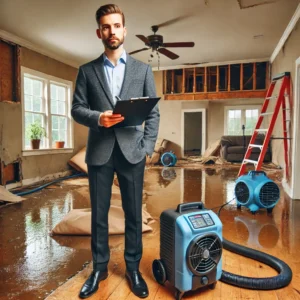
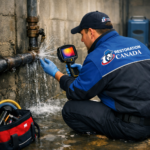
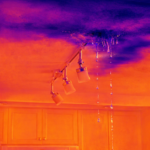
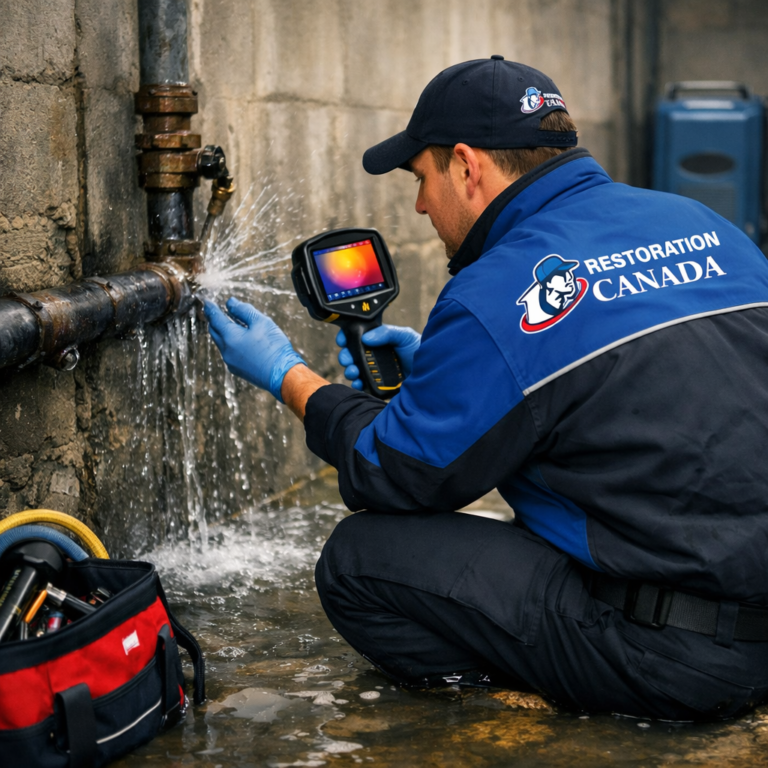
Professionals bring specialized tools like industrial pumps, air movers, and moisture detectors. They don’t just remove water—they ensure your home is thoroughly dried and safe. Their expertise in water damage mitigation can prevent long-term structural problems and costly repairs.
Fixing Water Damage in Different Areas
Walls and Ceilings
Water-damaged walls and ceilings often show discoloration, bubbling paint, or sagging. These signs indicate trapped moisture that needs immediate attention. Drying alone might not be enough—sometimes sections must be removed and replaced.
Floors and Carpets
Floors absorb water quickly, especially wood and carpet. Carpets may need deep cleaning or replacement, while hardwood floors can warp if not dried properly. Addressing these issues early makes fixing water damage much easier and less expensive.
Tools and Supplies for Emergency Situations
Must-Have Equipment at Home
Having the right tools can make a huge difference during a pipe burst emergency. Essential items include:
- Wet/dry vacuum
- Heavy-duty towels
- Buckets and mops
- Fans and dehumidifiers
- Waterproof gloves
These tools empower you to act immediately instead of waiting helplessly for assistance.
Preventing Future Pipe Bursts
Insulation and Maintenance Tips
Preventing a pipe burst is always better than dealing with one. Insulate exposed pipes, especially in colder areas, and regularly check for leaks or corrosion. Routine maintenance keeps your plumbing system strong and reliable.
Seasonal Precautions
Cold weather is the biggest threat to pipes. Let faucets drip slightly during freezing temperatures and keep your home heated to avoid freezing pipes. These simple steps can save you from major water damage cleanup later.
Common Mistakes to Avoid During Water Damage Cleanup
One of the biggest mistakes people make is underestimating the severity of the damage. Just because water is gone doesn’t mean the problem is solved. Hidden moisture can lead to mold and structural issues.
Another common error is delaying action. Waiting even a few hours can worsen the situation significantly. Acting quickly and efficiently is the key to successful water damage mitigation.
Conclusion
A pipe burst can feel overwhelming, but the way you respond in those first moments makes all the difference. By shutting off the water, ensuring safety, and starting immediate water damage cleanup, you can drastically reduce the impact on your home. Quick thinking and the right actions transform a potential disaster into a manageable situation. Whether you handle it yourself or call emergency flood services, staying prepared and informed is your best defense against costly damage.
 Call Us 24/7 at 416-639-1722 for immediate water damage help
  Visit Restoration Canada to learn more
  Proudly serving Toronto and GTA area