Does Homeowners Insurance Cover Water Damage?
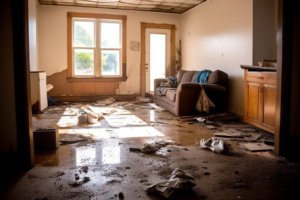
In most cases, homeowners insurance cover water damage when the event is sudden, accidental, and unexpected. Standard policies are designed to protect against abrupt incidents that cause damage to your home’s structure and belongings.
Typically Covered Water Damage Events
Insurance usually applies when water damage results from:
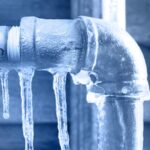
- Burst or frozen pipes
- Sudden plumbing failures
- Overflow from washing machines or dishwashers
- Water heater ruptures
- HVAC system leaks
- Accidental bathtub or sink overflows
When these incidents occur, water damage insurance may cover:
- Structural repairs (drywall, flooring, ceilings)
- Damaged cabinetry
- Electrical and plumbing systems
- Personal belongings
- Professional water mitigation services
- Temporary living expenses if the home becomes uninhabitable
However, coverage depends entirely on the cause of the water intrusion.
Does Homeowners Insurance Cover Water Leaks?
Another common question is: does homeowners insurance cover water leaks?
The answer depends on whether the leak was sudden or gradual.
Sudden Leaks – Usually Covered
If a pipe bursts unexpectedly behind a wall and floods your living room, your policy will likely cover both the repair of the damage and the cost of restoring the affected areas.
Gradual Leaks – Typically Not Covered
Insurance providers generally deny claims involving:
- Slow, ongoing pipe leaks
- Long-term corrosion
- Neglected plumbing systems
- Wear and tear
If water damage develops over months due to lack of maintenance, it may be classified as preventable — and therefore excluded.
This distinction makes fast action critical. When you notice signs of water damage — staining, musty odors, warped flooring — immediate inspection and water mitigation can make the difference between coverage and denial.
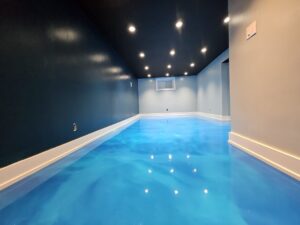
Does Homeowners Insurance Cover Basement Flooding?
Basement flooding is one of the most misunderstood areas of insurance coverage.
Covered Basement Flooding
Your homeowners insurance may cover basement flooding if the water originates from inside your home, such as:
- A burst pipe in the basement ceiling
- A failed water heater
- An accidental plumbing discharge
If the source is internal and sudden, coverage typically applies.
Uncovered Basement Flooding
Most standard homeowners policies do not cover flood damage caused by:
- Heavy rainfall
- Storm surge
- River overflow
- Groundwater entering through foundation walls
- Surface water runoff
This type of flooding is classified as flood damage, and it requires a separate flood insurance policy.
Without dedicated flood coverage, homeowners are responsible for all repair costs related to external water intrusion.
Water Damage vs. Flood Damage: Understanding the Difference
Insurance companies draw a clear line between:
- Water damage – Internal, accidental water events
- Flood damage – Rising water from outside affecting the home
If water enters from the ground level due to rain accumulation or natural flooding, it is considered flood damage — not standard water damage.
This distinction is critical when filing a claim.
What Water Damage Insurance Typically Pays For
When a covered water event occurs, your policy may pay for:
Structural Repairs
- Drywall replacement
- Flooring restoration
- Ceiling repairs
- Insulation removal and replacement
Contents Restoration
- Furniture drying and cleaning
- Electronics restoration (if salvageable)
- Textile cleaning
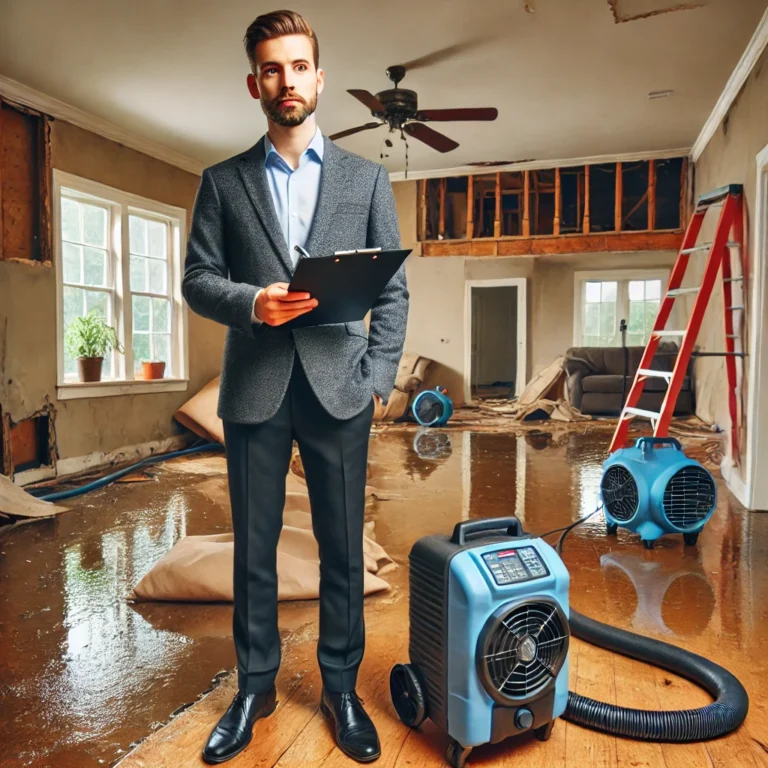
Professional Water Mitigation
Immediate mitigation services are often covered, including:
- Water extraction
- Industrial drying
- Dehumidification
- Mold prevention treatments
Insurance companies require homeowners to prevent further damage. Prompt mitigation protects both your property and your claim.
The Importance of Immediate Water Mitigation
The first 24–48 hours after water intrusion are critical. Delays increase:
- Structural damage
- Mold growth risk
- Odors
- Insurance claim complications
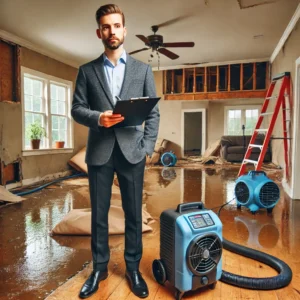
As a professional restoration company, we respond immediately with advanced drying equipment, moisture detection tools, and certified technicians to stabilize the property.
Insurance adjusters often look favorably upon homeowners who act quickly to reduce losses.
Common Water Damage Claim Exclusions
While water damage insurance offers broad protection, exclusions often include:
- Sewer backups (unless an endorsement is added)
- Sump pump failure (without additional coverage)
- Long-term seepage
- Foundation cracks allowing groundwater entry
- Mold unrelated to a covered event
Adding a sewer backup endorsement can significantly enhance basement protection.
How We Help With Insurance Claims
Navigating insurance claims can feel overwhelming. As a restoration company, we work directly with adjusters to streamline the process.
We assist with:
- Detailed damage documentation
- Moisture readings and reports
- Photo evidence
- Repair estimates
- Direct billing (when applicable)
Our goal is to reduce stress while ensuring your claim is supported with professional documentation.
Preventing Basement Flooding and Water Damage
Prevention reduces the likelihood of major losses. We recommend:
- Installing a sump pump with battery backup
- Cleaning gutters and downspouts regularly
- Ensuring proper yard grading
- Insulating exposed pipes
- Scheduling annual plumbing inspections
Routine maintenance strengthens your insurance position and minimizes risk.
What To Do Immediately After Water Damage
If water damage occurs:
- Shut off the water source (if possible).
- Turn off electricity in affected areas.
- Call a professional water damage restoration company immediately.
Fast response limits structural damage and protects indoor air quality.
Mold Growth After Water Damage
Mold can begin developing within 24–48 hours after moisture exposure. If water damage is covered, mold remediation related to that event may also be covered — up to policy limits.
Prompt drying and dehumidification drastically reduce mold risk.
The Bottom Line: Is Basement Flooding Covered?
To summarize clearly:
- Yes, homeowners insurance covers sudden and accidental internal water damage.
- No, standard policies do not cover external flood damage.
- Maybe, leaks are covered only if they are sudden and not caused by neglect.
Understanding your policy is essential — but immediate professional response is just as important.
Protect Your Home with Professional Water Damage Restoration
Water damage spreads quickly and worsens by the hour. Whether your issue involves burst pipes, appliance leaks, or basement flooding, immediate action protects both your property and your insurance claim.
We provide:
- 24/7 emergency response
- Advanced water extraction
- Structural drying
- Basement flood cleanup
- Mold prevention services
- Direct insurance coordination
When disaster strikes, we restore your property efficiently, safely, and thoroughly.
Water damage does not wait — and neither should you.
 Call Us 24/7 at 416-639-1722 for immediate water damage help
  Visit Restoration Canada to learn more
  Proudly serving Toronto and GTA area